|
Previous Colloquia in Physics & Astronomy
|
| The Rosetta Mission: the story so far |
| Dr Matt Taylor |
European Space Agency |
|
14:30, Friday 23 May 2014 | | Physics Seminar Room (Building 46/5081) |
|
The Rosetta Mission is the third cornerstone mission of the ESA programme Horizon 2000. The aim of the mission is to map the comet 67-P/Churyumov-Gerasimenko by remote sensing, to examine its environment insitu and its evolution in the inner solar system. The lander Philae will be the first device to land on a comet and perform in-situ science on the surface. Launched in March 2004 and after a number of gravity assists and various asteroid fly –bys, the spacecraft entered deep space hibernation in June 2011. Nearly 10 years after launch on 20th January 2014 at 10:00 UTC the spacecraft woke up from hibernation to get ready for comet rendez-vous. This presentation will provide a brief overview of the mission up to date and provide an insight into the exciting years we have ahead of us as Rosetta reaches and studies its target.
|
|
 |
|
| Modelling Complex Self Assembly: the bad news is the good news |
| Prof Daan Frenkel |
University of Cambridge |
|
14:30, Friday 16 May 2014 | | Physics Seminar Room (Building 46/5081) |
A holy grail of nano-technology is to create truly complex, multi-component structures by self assembly. In this talk, Prof Frenkel will discuss some of the most important parameters that can be used to control self-assembly: packing entropy and molecular recognition. Both the role of packing entropy and that of molecular recognition are counter-intuitive.
Prof Frenkel will discuss the unexpected role of entropy as an ordering force, and will show that in molecular recognition, less is more.
|
|
 |
|
| Surfaces: Topographical Dynamics and Preferential Adsorption |
| Prof Dirk Broer |
Eindhoven University of Technology |
|
14:30, Friday 28 March 2014 | | Physics Seminar Room (Building 46/5081) |
|
Liquid crystal polymer networks can be made responsive to triggers as light, temperature, moisture, pH and specific gases and chemicals. The response may manifest itself as changes in appearance such as color or transmission of light, and/or in shape when deforming from a flat film to a preset complex geometry. This presentation will focus on triggered changes in the surface topography. By manipulating local molecular order we are able to switch a surface from flat to corrugated. Protrusions may form randomly, comparable to fingerprints, or at preset locations. When formed they change surface properties like friction and wetting. By using a similar technology, films can be made with a large internal surface area in the form of nanopores. These nanopores can selectively adsorb species depending on charge or size. The polarity of the pores can be switched by light which changes the uptake of materials.
|
|
 |
|
| Tuning In the Radio Sun |
| Prof Peter Gallagher |
Trinity College, Dublin |
|
14:30, Friday 21 March 2014 | | Physics Seminar Room (Building 46/5081) |
|
Cosmic rays and solar energetic particles may be accelerated to relativistic energies by shock waves in astrophysical plasmas. On the Sun, shocks and particle acceleration are often associated with the eruption of magnetized plasmoids, called coronal mass ejections (CMEs). However, the physical relationship between CMEs and shock particle acceleration is not well understood. In this talk, Prof Gallagher will show how extreme ultraviolet, radio and white-light images can be used to study CME-induced shocks and associated phenomena such as large-scale coronal waves. He will also show how LOFAR is giving a new insight into our understanding of electron acceleration in the solar corona.
|
|
 |
|
| Laser-cooled molecules and their applications |
| Dr Mike Tarbutt |
Imperial College, London |
|
14:30, Friday 14 March 2014 | | Physics Seminar Room (Building 46/5081) |
|
Cold molecules are useful for many applications, from precision measurement to quantum simulation. Dr Tarbutt will first present a measurement that uses cold CH molecules to test the idea that the fundamental constants may differ between the high and low density environments of the Earth and the interstellar medium, as hypothesized in some theories of dark energy. Then he will show how laser cooling can be applied to some molecules, and present recent results from the Imperial College group on laser cooling of CaF.
|
|
 |
|
| Nanoparticles for Imaging: from quantum dots, to polymers, to works |
| Dr Mark Green |
King's College, London |
|
14:30, Friday 28 February 2014 | | Physics Seminar Room (Building 46/5081) |
|
The use of nanoparticles in imaging applications has become a mainstream discipline. Since the seminal use of quantum dots in simple imaging in 1997, the area has been the focus of a massive amount of research, despite the fact that these solid state materials have obvious down falls – notably the toxicity associated with metals such as cadmium. The benefits, such as enhanced stability and tuneable, multicolour, narrow emission are desirable and in some cases outweigh the negative aspects. In this talk, Dr Green will describe the work undertaken in the last several years at KCL in the preparation of quantum dots, alternatives such as metal-free particles, and explain the more unusual results such as the biosynthesis of quantum dots inside living animals.
|
|
 |
|
| Nature's Ears: ideal models for engineered acoustic systems? |
| Dr James Windmill |
University of Strathclyde |
|
14:30, Friday 21 February 2014 | | Physics Seminar Room (Building 46/5081) |
|
Humanity uses sound frequencies across a far greater range than we can hear for numerous extremely beneficial tasks. In Nature a huge variety of animals have evolved ears, many of which are sensitive to sounds beyond human audibility. An obvious example is the bat, where different species have evolved extremely precise ultrasonic echolocation techniques to detect insects in flight to catch and eat. Equally, an enormous variety of insects have evolved miniature ears to detect sound in order to communicate or to avoid predators like the bat. Over past decades engineers have looked at the use of sound by these creatures, seeking inspiration to solve acoustic problems. This talk will briefly look at examples of the unexpected characteristics found in insect hearing systems, and discuss work on bio-inspired acoustic systems.
|
|
 |
|
| Fabricating Optical Integrated Devices for Quantum Computation |
| Dr James Gates |
University of Southampton |
|
14:30, Friday 14 February 2014 | | Physics Seminar Room (Building 46/5081) |
|
Dr Gates will present his group's work on single photon quantum circuits, sources and detectors from the past 7 years. Over this time Southampton has been one of the world's leading fabricators of optical integrated quantum devices. James will give an overview of devices and results with particular emphasis on the challenges of photonic engineering of quantum devices. Much of the work is part of a continuing collaboration with NIST and the University of Oxford and he will also discuss the future methodology and devices currently being developed.
|
|
 |
|
| SMART-1: Europe's First Mission to the Moon |
| Dr Barry Kellett |
Rutherford Appleton Laboratory |
|
14:30, Friday 7 February 2014 | | Physics Seminar Room (Building 46/5081) |
|
SMART-1 was ESA's first technology demonstration mission... a small mission to test various components and technologies that ESA thought it needed for the future. For example, SMART-1 was the first ESA mission to fly Lithium batteries! However, the main technology under test was the solar electric Ion Drive. This helped SMART-1 set two new world records: the SLOWEST mission to ever reach the Moon (over 15 months!) and, second, the most fuel efficient mission to the Moon – just 80 kg of fuel used! Dr Kellett will also briefly mention Chandrayaan-1 – the 1st Indian mission to the Moon!
|
|
 |
|
| iSense: A Cold Atom Quantum Technology Platform |
| Prof Kai Bongs |
University of Birmingham |
|
14:30, Friday 31 January 2014 | | Physics Seminar Room (Building 46/5081) |
|
The iSense project brings together leading European atom interferometry groups in order to overcome the technological bottleneck in cold atom quantum technology. The field of cold atoms and precision measurements with atoms has seen 4 Nobel prizes in the last twenty years and is hosting vibrant research by 1000s of groups worldwide. However, despite groundbreaking results in quantum simulation, promising advances in quantum computing and quantum communication as well as quantum sensors surpassing the best classical devices, this field is still largely confined to the research laboratory. The reason lies in the complex and delicate laser, vacuum and electronic systems needed to create the cold atom quantum resource needed for all these applications. iSense aims at a significant shrinkage and robustness increase of the underlying technologies and to demonstrate the concept in a potable atom interferometer gravity sensor. This talk will discuss the technology and science approaches in iSense and present the current status of the project with an outlook into cold atom quantum technologies.
|
|
 |
|
| Mission Applications and Engineering Challenges for Solar Sail Spacecraft |
| Prof Colin McInnes |
University of Strathclyde |
|
14:30, Friday 13 December 2013 | | Physics Seminar Room (Building 46/5081) |
|
Solar sailing is a novel means of spacecraft propulsion which uses a large, deployable reflective film to provide a small, continuous thrust from the action of solar radiation pressure. This talk will discuss a range of mission applications for solar sail spacecraft and identify the key engineering challenges involved. In addition, the properties of families of highly non-Keplerian orbits will be discussed, along with their potential applications for future space weather and Earth observation missions. A forthcoming solar sail demonstration mission will be also be discussed.
|
|
 |
|
| Exploring the Diversity of Exoplanets |
| Dr Suzanne Aigrain |
University of Oxford |
|
14:30, Friday 6 December 2013 | | Physics Seminar Room (Building 46/5081) |
|
Planets orbiting other stars than the Sun were first discovered only 20 years ago, but since then their study has become one of the most active and fertile fields in astronomy. With dedicated telescopes scanning the skies continuously, we are now discovering hundreds of new systems every year, many of which are utterly unlike our own. We can also study study the atmospheres of some of these distant worlds in astonishing detail. Dr Aigrain will take us on a brief tour of recent exoplanet detection and characterisation highlights, and finish with a preview of how we might search for signs of life on another world.
|
|
 |
|
Dynamics and Control of Bird and Insect Flight
and its applications to unmanned air systems |
| Prof Graham Taylor |
University of Oxford |
|
14:30, Friday 29 November 2013 | | Physics Seminar Room (Building 46/5081) |
|
The dynamics of flapping flight differ fundamentally from those of fixed- or rotary-wing aircraft. This seminar will give a flavour of the Oxford research on the guidance, dynamics, and control of bird and insect flight. This research aims to uncover the fundamental organizational principles underpinning the design of naturally evolved control systems, and to apply this insight to the design of unmanned air systems. The talk will probe a few key examples, including the relationship between physics and physiology in hawkmoths, the mechanics of the insect flight motor as revealed by time-resolved X-ray tomography, and the visually-guided attack strategies of peregrine falcons.
|
|
 |
|
Acoustics of a Changing World
whales, icebergs, seismics and marine renewables |
| Dr Philippe Blondel |
University of Bath |
|
14:30, Friday 15 November 2013 | | Physics Seminar Room (Building 46/5081) |
|
Oceans cover most of the Earth. The last decades have seen a host of wonderful discoveries, most of them using sound and sonars. This talk will present examples from around the world, taken from the presenter's own research. The first part of the talk will present the innovative sensors (many of UK design) which have revolutionised our knowledge of the "Blue Planet" and its seabeds, from mid-ocean ridges to coastal areas. The second part will focus on applications, including coastal habitats, Marine Renewable Energies and the migrations of grey whales, as well as the role of acoustic sensors in monitoring the effects of climate change and human activities as far as the Arctic.
|
|
 |
|
Optically Pumped Semiconductor Disk Lasers:
design, growth, characterization and potential applications |
| Alexander Hein |
University of Ulm |
|
14:30, Friday 1 November 2013 | | Physics Seminar Room (Building 46/5081) |
|
Optically Pumped Semiconductor Disk Lasers (OPSDLs) combine the unique features of high output power, excellent beam quality, and wide wavelength coverage. In the fundamental regime, the wavelengths of these sources can be continuously addressed from 0.6 μm to well beyond 2.5 μm by choosing an appropriate material system. The spectral band is essentially increased by generation of higher harmonics, thus, the shorter visible spectrum as well as the ultra-violet can be accessed. Due to this lack of wavelength discontinuity these lasers enable a variety of new applications in spectroscopy, forensics, and many other fields.
|
|
 |
|
| Photonic Quantum Technologies |
| Prof Jeremy O'Brien |
University of Bristol |
|
14:30, Friday 25 October 2013 | | Physics Seminar Room (Building 46/5081) |
Quantum information science aims to harness uniquely quantum mechanical properties to enhance measurement, information and communication technologies, as well as to explore fundamental aspects of quantum physics. Photons are particularly appealing for their low-noise properties and ease of manipulation at the single qubit level, as well as for quantum communication, metrology and measurement.
The Bristol group has developed an integrated waveguide approach to photonic quantum circuits for high performance, miniaturization and scalability, and has begun to address the challenges of scaling up quantum circuits using new insights into how controlled operations can be efficiently realised. They have shown how quantum circuits can be reconfigured, using thermo-optic phase shifters to realise a highly reconfigurable quantum circuit able to perform almost any function on two photonic qubits, and electro-optic phase shifters to rapidly manipulate the path and polarisation of telecom wavelength single photons. They have addressed miniaturisation using multimode interference coupler architectures to directly implement Hadamard operations and the 'Boson sampling problem', and by using high refractive index contrast materials in which they have implemented quantum walks of correlated photons and demonstrated generation of orbital angular momentum states of light. They have incorporated microfluidic channels for the delivery of samples to measure the concentration of a blood protein with entangled states of light, and have begun to address the integration of superconducting single photon detectors and non-linear single photon sources. Finally, Prof O'Brien will review recent work on fundamental aspects of quantum measurement, including a quantum version of Wheeler's delayed choice experiment.
|
|
 |
|
| Optical Fibres for Astrophotonics |
| Prof Tim Birks |
University of Bath |
|
14:30, Friday 18 October 2013 | | Physics Seminar Room (Building 46/5081) |
|
Astrophotonics is the application of photonics technology to solve problems in observational astronomy. In this talk, Prof Birks will describe how optical fibres are being developed to filter out unwanted IR emissions from the Earth's atmosphere, which hampers ground-based observations of the early Universe.
|
|
 |
|
| Animal Navigation using Magnetically Sensitive Spins |
| Prof Peter Hore |
University of Oxford |
|
14:30, Friday 11 October 2013 | | Physics Seminar Room (Building 46/5081) |
Migratory birds travel spectacular distances each year, navigating and orienting by a variety of means, most of which are poorly understood. Among them is a remarkable ability to perceive the intensity and direction of the Earth's magnetic field. Biologically credible mechanisms for the sensing of such weak fields (25-65 microtesla) are scarce and in recent years just two proposals have emerged as frontrunners. One, essentially classical, centres on iron-containing particles. The other relies on the magnetic sensitivity of short-lived radical pairs formed by photoinduced electron transfer. This model began to attract interest following the proposal that the necessary photochemistry could take place in the bird's retina in specialised photoactive proteins called cryptochromes. The coherent dynamics of electron-nuclear spin states of pairs of radicals is conjectured to lead to changes in the yields of reaction products even though the Zeeman interaction with the geomagnetic field is more than six orders of magnitude smaller than kT.
In this seminar, Prof Hore will outline some of the experimental evidence for the cryptochrome hypothesis, discuss the interpretation of the reported effects of weak (nanotesla) radiofrequency fields on the magnetic orientation of European robins, and comment on the extent to which cryptochromes are fit-for-purpose as magnetoreceptors.
|
|
 |
|
| DEAP/CLEAN-ing Dark Matter: the search for direct detection with liquid Argon |
| Prof Jocelyn Monroe |
Royal Holloway, University of London |
|
14:30, Friday 4 October 2013 | | Physics Seminar Room (Building 46/5081) |
|
The nature of dark matter is one of the fundamental questions in physics today. A world-wide race is on to directly observe dark matter particles interacting in terrestrial detectors. A number of experiments have recently claimed to detect dark matter interactions, via both direct and indirect experimental methods, although none are yet independently confirmed. The DEAP/CLEAN collaboration is developing a novel approach to dark matter detection, using very large Liquid Argon detectors instrumented with photomultiplier tubes to observe scintillation light from dark matter scatters in the detector. This design strategy emphasizes scalability to target masses of order 100 tons. This talk will discuss dark matter detection, review recent results from around the world, and describe the experimental technique and status of the DEAP/CLEAN experiment.
|
|
 |
|
| Terahertz Spectroscopy of Nanomaterials |
| Dr Michael Johnston |
University of Oxford |
|
14:30, Friday 14 June 2013 | | Physics Seminar Room (Building 46/5081) |
|
Optical-pump terahertz probe spectroscopy is an ideal technique for studying the electronics properties of nanomaterials. In this talk, Dr Johnston will introduce this non-contact method of characterising materials, before presenting recent terahertz conductivity measurements on semiconductor nanowires, graphene and metal oxides. The large surface area to volume ratio of these nanomaterials can be used to tailor their electronic properties for future device applications.
|
|
 |
|
| Gamma-Ray Bursts: the most energetic cosmic explosions since the Big Bang |
| Prof Ed van den Heuvel |
University of Amsterdam |
|
14:30, Friday 7 June 2013 | | Physics Seminar Room (Building 46/5081) |
|
Gamma-ray bursts were discovered with American spy satellites in 1967, but their nature and origin remained a mystery for 30 years. In 1997, thanks to a small Italian-Dutch satellite, it was discovered that they originate at large cosmological distances and result from extremely powerful cosmic explosions, marking the death events of very massive stars. Probably they are the birth events of stellar-mass black holes, although also other explanations remain possible.
|
|
 |
|
| Solid-State Quantum Optics |
| Prof Mark Fox |
University of Sheffield |
|
14:30, Friday 31 May 2013 | | Physics Seminar Room (Building 46/5081) |
Quantum optics describes the interaction between light and matter at the quantum level. The subject developed primarily from atomic physics, but in recent years the scope has expanded widely to include many solid-state systems as well. This has occurred to such an extent that some of the best examples of quantum-optical effects are now observed in the solid state.
Semiconductor quantum dots provide an excellent system for exploring solid-state quantum-optical phenomena on account of their large optical dipole moment and easy incorporation into advanced photonic devices. In this colloquium, Prof Fox will illustrate some of the quantum-optical phenomena that can be observed from quantum dots, and then explain how these effects can be enhanced by coupling the dots to high quality-factor resonant cavities.
|
|
 |
|
| Electro-Optic Sensing for Defence and Security |
| Dr Richard Hollins |
Dstl, Porton Down |
|
14:30, Friday 24 May 2013 | | Physics Seminar Room (Building 46/5081) |
|
The seminar will show how Dstl investigates and exploit new electro-optic sensing to meet the ever-changing needs of defence and security. Activity in a variety of fields including counter-terrorism, optical communications, and sensor protection will be described. The talk will try to illustrate how Dstl conceives and investigates solutions to defence and security challenges by harnessing new technologies emerging from industry and academia.
|
|
 |
|
| Interferometry with Bose-Einstein Condensates |
| Prof Erling Riis |
University of Strathclyde |
|
14:30, Friday 17 May 2013 | | Physics Seminar Room (Building 46/5081) |
Progress is reviewed on experiments studying the interference of Bose-Einstein condensates (BECs). Using an optical barrier in an elongated magnetic trap we have obtained clear interference fringes for condensates separated by macroscopic distances.
Current work includes the development of an inductively coupled ring trap intended for Sagnac interferometry. This trap configuration has the potential for being scaled to a size compatible with integration in chip-scale interferometers. Recent progress will also be detailed on the development of planar diffractive optical elements for the generation of the beams required for a magneto-optic trap with a view to realise simple chip-based sources of ultra-cold atoms.
|
|
 |
|
Nearly 100 Years after General Relativity: was Einstein right?
an answer by a radio astronomer |
| Prof Michael Kramer |
Max-Planck-Institute for Radio Astronomy |
|
14:30, Friday 3 May 2013 | | Physics Seminar Room (Building 46/5081) |
|
Nearly 100 years ago Einstein proposed a radical change in the understanding of gravity. Since then his theory of general relativity (GR) withstood all tests. Today, we see apparent phenomena that may be explainable by deviations from GR, and hence the question whether Einstein was right, is as topical as ever. This talk will present the some of the latest and best tests of theories of gravity using radio pulsars.
|
|
 |
|
| Mechanical Atom Manipulation: towards a matter compiler? |
| Prof Philip Moriarty |
University of Nottingham |
|
14:30, Friday 26 April 2013 | | Physics Seminar Room (Building 46/5081) |
Can we design and construct a matter compiler? That is, is it possible to conceive of a scheme whereby the fundamental atomic/molecular building blocks of matter can be autonomously and intelligently manipulated via software to form a nanoscopic, microscopic, or even macroscopic product? This is the essence of the highly controversial "molecular manufacturing" concept put forward by K. Eric Drexler in the eighties (and which was originally inspired by Feynman's musings on the ultimate limits of miniaturisation in 1959).
In this talk, Prof Moriarty will first reappraise Drexler's matter compilation scheme in the context of the latest developments in (sub)atomic resolution scanning probe microscopy (SPM) before describing some of his recent work in three areas of key relevance to the matter compilation concept:
• Atom switching and manipulation driven purely by the making and breaking of a single chemical bond;
• Probe engineering – tuning the atomic structure of a scanning probe microscope tip by controlled pick-up and reorientation of a C60 molecule;
• Automated probe microscopy via evolutionary optimization at the atomic scale.
|
|
 |
|
| Pulsed Laser-Assisted Generation of Novel Materials and Related Applications |
| Dr Emmanuel Stratakis |
University of Crete |
|
14:30, Friday 15 March 2013 | | Physics Seminar Room (Building 46/5081) |
|
This talk will review recent work on the application of pulsed laser processing for novel materials production. Two distinct approaches are reviewed including laser materials modification in controlled gas and liquid media respectively. In particular, it is shown that the artificial surfaces obtained by femtosecond laser texturing of solid surfaces in reactive gas atmosphere exhibit roughness at both micro- and nano-scales that mimics the hierarchical morphology of natural surfaces. Depending on the functional coating deposited on the laser patterned three dimensional structures, artificial surfaces that may be achieved are: (a) of extremely low surface energy, thus water repellent and self-cleaned; (b) responsive, i.e., show the ability to change their surface energy in response to different external stimuli such as light, electric field and pH. The behaviour of different kinds of cells cultured on laser engineered substrates of various morphologies was investigated. The second part of the talk will be focused on the pulsed laser assisted synthesis and functionalization of new types of nanomaterials for organic electronics. Results on the formation of plasmonic nanoparticles, using pulsed laser ablation in liquid media will be presented. Furthermore, rapid and facile methodologies for the photochemical reduction, doping and functionalization of graphene oxide (GO) sheets, based on pulsed UV laser processing of GO, will be demonstrated. Potential applications of laser synthesized and modified materials in organic electronics, particular to bulk heterojunction organic solar cells are demonstrated and discussed.
|
|
 |
|
| Pre-Cooled Airbreathing Engines: a new generation of high-speed propulsion |
| Mr Alan Bond |
Reaction Engines Ltd |
|
14:30, Friday 8 March 2013 | | Physics Seminar Room (Building 46/5081) |
|
Liquid hydrogen is an excellent coolant with a very high heat capacity. It has proved possible to design airbreathing engines using this fuel to reach Mach 5 within the limitations of currently available materials and engineering technology. In combination with other engine types, eg rocket or fan, a whole range of propulsion options are possible which will shrink the world to less than 5 hours to anywhere and enable an aircraft to fly into space to do a job and then return to repeat it again within a few hours.
|
|
 |
|
| Molecules and Electrons Illuminate Complex Nanophotonics Structures |
| Dr Riccardo Sapienza |
King's College, London |
|
14:30, Friday 1 March 2013 | | Physics Seminar Room (Building 46/5081) |
Numerous optical technologies and quantum optical devices rely on the controlled coupling of a local emitter to its photonic environment, which is governed by the local density of optical states (LDOS). Light spontaneous emission, absorption and scattering are all related to the LDOS which can be engineered in dielectric and metallic nano structures. Dr Sapienza will present how a nano-sized light probe can illuminate complex materials and shed light on their optical properties and modes.
This talk will also report nanoscale mapping of the local density of states by cathodo-luminescence microscopy, a combination of electron-beam scanning and optical spectroscopy that relies on scanning a transient dipolar emitter induced by electron beam bombardment with respect to its photonic environment while measuring the total emitted power. Each individual electron traversing the photonic structure generates a nanoscale transient dipole by the accelerated charge which we exploit as a local probe of the LDOS. With unprecedented resolution (~10 nm), localized photonic crystal cavity modes are imaged in a nano-structured silicon nitride membrane, over the visible spectrum into the near-IR, and individual cavity modes are identified that are spatially different and we map their LDOS. Measurements also reveal extended Bloch modes that are delocalized over the crystal and periodically modulated. Moreover, by momentum spectroscopy, angular emission pattern of the radiation emitted, which exhibits complex diffraction patterns, is resolved.
Dr Sapienza will also discuss recent studies of fluorescence from a nano-sized emitter embedded in complex photonic media, such as photonic crystals and random powders, using fluorescence dynamics to measure LDOS distributions in 3D disordered dielectric powders and observing a surprisingly long-tailed distribution of the LDOS with Purcell factor up to ~10. He will discuss how these experimental results fed the ongoing discussion on the dependence of the C0 correlation function on macroscopic disorder parameters.
|
|
 |
|
| The Journey in the Search for the Higgs Boson in CMS at the LHC |
| Prof Tejinder (Jim) Virdee |
CERN & Imperial College, London |
|
14:30, Friday 8 February 2013 | | Physics Seminar Room (Building 46/5081) |
The LHC accelerator has collided protons and lead ions at unprecedented high energies. It has delivered an integrated luminosity of ~5 pb-1 at √s=7 TeV and ~20 fb-1 at √s=8 TeV to the general-purpose experiments ATLAS and CMS.
In July 2012, both experiments reported the discovery of a new Higgs-like boson.
This talk will outline some of the challenges faced during the construction of the CMS experiment, its operation and performance, and selected physics results. In particular recent results relating to the Higgs-like boson will be discussed as well as the outlook.
|
|
 |
|
| Cold Ion Crystals for Quantum Computing and Quantum Simulation |
| Prof Ferdinand Schmidt-Kaler |
University of Mainz |
|
14:30, Friday 18 January 2013 | | Physics Seminar Room (Building 46/5081) |
Long-lived states in trapped ions are well suited for implementing quantum information processes, by generating entangled states in linear ion crystals. All the essential building blocks of quantum interactions have been demonstrated, but future challenges need multiple ionic quantum bits in versatile geometric configurations. Prof Schmidt-Kaler will describe how the state-of-the-art may be extended by combining ion entanglement operations with rapid changes of the ion positions for fast transport and modifications of ion configurations in two-dimensional crystal arrays.
For a scalable quantum computer, Prof Schmidt-Kaler's group is following an approach proposed by Nobel laureate Dave Wineland, whereby ions are transported in a multi-segmented trapping device. To optimize the scheme, ultra-fast ion transport has been achieved without motional excitation at the destination, allowing non-classical quantum states of motion to be generated.
A second important application of trapped ions is quantum simulation, and Prof Schmidt-Kaler will outline the formation and precise investigation of planar zig-zag ion crystals, in which the traversal of a symmetry-breaking phase transition can lead to separated regions with incompatible symmetries and the formation of defects at their boundaries. Such defect formation follows universal scaling laws prescribed by the Kibble-Zurek mechanism, which are observed in the clean model system of trapped ions. Ions in planar crystals may be employed also for simulating spin-spin interactions in frustrated geometries, highly relevant for the observation of unexplored quantum phases and transitions.
|
|
 |
|
Carbon Geostorage - the Monitoring Challenge:
inflation, muons and the Moon |
| Prof Jon Gluyas |
Durham University |
|
14:30, Friday 11 January 2013 | | Physics Seminar Room (Building 46/5081) |
Fossil fuel consumption puts around 7 bn tonnes of CO2 into the atmosphere each year, and the CO2 concentration has risen substantially since the industrial revolution. While humankind is unlikely to stem its dependence in the near term, we can dramatically reduce emissions of this greenhouse gas using carbon capture and storage. The first programmes have begun, and legislation and common sense require that the process be monitored. While many tools already exist in the petroleum industry, new, low cost, passive, continuous monitoring techniques are required.
Prof Gluyas will examine two technologies to monitor both the injection and storage of CO2. Satellite-measured changes in surface elevation have allowed the measurement of CO2 injection beneath the bare Algerian desert, but present difficulties in areas of agriculture and vegetation; some early results will be presented. Muon tomography is a theoretically feasible alternative, and is undergoing its first practical test in the deep Boulby Potash Mine in northern England - an ideal location for testing the ultimate sensitivity, which might reveal the diurnal and monthly tidal cycles using muon detectors deep within the mine. The first few carbon storage programmes have begun with dense phase CO2 being injected deep into porous and permeable sites; comparable to the natural traps in which oil and gas occur. Legislation as well as good, common sense dictates that the carbon dioxide once injected needs to be monitored – possibly for generations. Many of the tools used to find and monitor production of petroleum can be used to monitor carbon storage sites but a combination of the timeframes involved and the fact that storage of CO2 does not intrinsically create value (it is waste disposal) mean that a suite of new, low cost, passive, continuous monitoring technologies are require.
Here Prof Gluyas will examine two technologies which have the potential to help monitor both injection and storage of CO2 continuously and at a cost lower than the conventional methods used by the petroleum industry. These have hitherto have not been used by the emerging CCS industry.
InSAR satellite technology has been used to measure changes in elevation, surface inflation, associated with injection of CO2 into the deep subsurface at In Salah in the bare desert of Algeria but how do you apply it to onshore areas that are not bare deserts but rural areas in which a ploughed field or annual vegetation growth could mask changes in elevation of underlying bedrock? Prof Gluyas will present some early results.
The theoretical feasibility of using muon tomography for continuous monitoring of injection of supercritical carbon dioxide into deep geological storage for carbon storage as a climate change mitigation technology has been proven already. Although theoretically feasible it is essential to take the next step and prove its practical feasibility. As a first practical test of feasibility we are using the deep Boulby Potash Mine in northern England provides us with a unique environment in which to measure muon fluxes, develop and deploy instrumentation and test the sensitivity of our method. The mine extends offshore and provides the ideal location for the ultimate sensitivity test. Might it be possible to detect the diurnal and monthly tidal cycles from deep within the mine using muon detectors?
|
|
 |
|
| Astronomy by Microscope |
| Prof Monica Grady |
Open University |
|
14:30, Friday 7 December 2012 | | Physics Seminar Room (Building 46/5081) |
Traditionally, astronomers study stars and planets by telescope. But we can also learn about them by using a microscope – through studying meteorites. From meteorites, we can learn about the processes and materials that shaped the Solar System and our planet. Tiny grains within meteorites have come from other stars, giving information about the stellar neighbourhood in which the Sun was born.
Meteorites are fragments of ancient material, natural objects that survive their fall to Earth from space. Some are metallic, but most are made of stone. They are the oldest objects that we have for study. Almost all meteorites are fragments from asteroids, and were formed at the birth of the Solar System, approximately 4570 million years ago. They show a compositional variation that spans a whole range of planetary materials, from completely unmelted and unfractionated stony chondrites to highly fractionated and differentiated iron meteorites. Meteorites, and components within them, carry records of all stages of Solar System history. There are also meteorites from the Moon and from Mars that give us insights to how these bodies have formed and evolved.
In her lecture, Prof Grady will describe how the microscope is another tool that can be employed to trace stellar and planetary processes.
|
|
 |
|
| Exploring the Quantum Superposition Principle with Macromolecules and Molecular Clusters |
| Prof Markus Arndt |
University of Vienna |
|
14:30, Friday 30 November 2012 | | Physics Seminar Room (Building 46/5081) |
|
Quantum delocalization and quantum interference with massive matter have puzzled physicists for decades since these phenomena question our common understanding of reality, locality or space-time. Recent experimental advances have allowed us to devise new molecular sources, interferometer arrangements and detection methods that open the path to testing quantum mechanics at the interface to philosophy. At the same time modern particle interferometers generate a flying molecular nanostructure which acts as a fine rule for sensitive force measurements with applications in physical chemistry.
|
|
 |
|
| Cloudspotting and Wave-Watching |
| Mr Gavin Pretor-Pinney |
author; founder of the Cloud Appreciation Society |
|
14:30, Friday 23 November 2012 | | Physics Seminar Room (Building 46/5081) |
|
Gavin Pretor-Pinney, founder of The Cloud Appreciation Society, is the author of the bestselling Cloudspotter's Guide and Cloud Collector's Handbook. More recently, he wrote The Wavewatcher's Companion, which won the 2011 Royal Society Winton Prize for Science Books. In it, he reminded us that ocean waves, so familiar to us all, are just a tiny proportion of the many waves that surround us, pass through us, and shape our experience of the world. Sound waves, light waves, microwaves, Mexican waves – it is easy to forget they are waves at all. Waves also have a great bearing on our atmosphere: from the way light waves are diffracted and refracted by the water droplets and crystals to produce glorious halo phenomena to the way sound waves seem to travel further in foggy conditions as they are bent by the low cold air; from the standing waves of air that cause lenticularis clouds to appear in the lee of mountain peaks to the shearing winds that lead to beautiful undulatus and Kelvin-Helmholtz wave formations. So important are waves to our experience of our surroundings that it is only natural for a cloudspotter to be a wavewatcher too.
|
|
 |
|
| The Antarctic Ozone Hole and its Discovery |
| Dr Jonathan Shanklin |
British Antarctic Survey |
|
14:30, Friday 9 November 2012 | | Physics Seminar Room (Building 46/5081) |
|
The talk will outline the scientific steps leading up to the discovery of the Antarctic ozone hole and follow its subsequent evolution, as well as illustrating the Antarctic environment. Climate change and the ozone hole interact, but whilst international measures to combat ozone depletion are working, those designed to reduce emissions of other greenhouse gases are finding less ready acceptance. Dr Shanklin will conclude by pointing out a common cause linking these and other environmental issues.
|
|
 |
|
| Crystal Structure Engineering in Nanowires |
| Prof Erik Bakkers |
Eindhoven University of Technology |
|
14:30, Friday 2 November 2012 | | Physics Seminar Room (Building 46/5081) |
|
Important semiconductors like Si, Ge and GaP cannot be used for optical devices, since they have an indirect bandgap when having the (normal) cubic crystal structure. It has been predicted that when these materials crystallize in a hexagonal structure that they can have a direct bandgap. But, these materials have never been made with the wurtzite structure. Nanowires can be grown in other crystal structures than known in the bulk, offering new routes to tailor the optical and electronic properties. Prof Bakkers will discuss the nanowire growth mechanism, investigations of the fabrication of the pure hexagonal form, and the control of the nanowire crystal structure that these possibilities permit. Finally, he will demonstrate the direct nature of the bandgap of wurtzite GaP, which is promising to boost the efficiency of white-emitting LEDs.
|
|
 |
|
| Ring-Shaped Traps for Atom Interferometry |
| Dr Paul Griffin |
University of Strathclyde |
|
14:30, Friday 19 October 2012 | | Physics Seminar Room (Building 46/5081) |
|
Atom interferometry offers significant benefits to the field of precision metrology due to the sensitivity to external electromagnetic fields and inertial forces, whilst permitting significantly longer interaction times compared to optical sensors. The Strathclyde group has been manipulating atoms in ring traps for over a decade, with the goal of harnessing the sensitivity of massive quantum particles - atoms - for next-generation sensors. In this talk, Dr Griffin will give an introduction the power of atom interferometry and describe the Strathclyde group's approach, which uses some old physics to overcome previous limitations and to push towards a precise measurement of the fine-structure constant.
|
|
 |
|
| The Technical Examination and Analysis of Old Master Drawings |
| Mr David Saunders |
British Museum |
|
14:30, Friday 12 October 2012 | | Physics Seminar Room (Building 46/5081) |
|
Although the technical examination of easel paintings is a well-developed field, various constraints have made it much more difficult to apply similar methods to the examination of Old Master drawings. This talk will look briefly at the issues associated with investigating drawings and watercolours and present the techniques that are used. The results that can be obtained will be illustrated through case studies on Italian Renaissance drawings and English Elizabethan watercolours conducted at the British Museum over the last five years, including as-yet-unpublished findings from a late-sixteenth century map of North America.
|
|
 |
|
| Navigating to the Moon - challenges faced by Apollo 11 |
| Mr Pat Norris |
Logica (formerly TRW/Apollo moon landing program) |
|
14:30, Friday 15 June 2012 | | Physics Seminar Room (Building 46/5081) |
|
The first manned lunar landing was a close run thing - Neil Armstrong burned up most of Apollo 11's spare fuel avoiding the rugged terrain NASA had mistakenly navigated him to. Pat Norris was involved in preparing the Apollo 11 navigation and will explain how advances in timing, geodesy and gravity were needed to make the Apollo missions a success - Armstrong presented him with the Apollo Individual Achievement Award for his contribution to the success.
|
|
 |
|
| Physics and Technology of High-Energy Linear Electron-Positron Colliders |
| Prof Phil Burrows |
John Adams Institute, University of Oxford |
|
14:30, Friday 8 June 2012 | | Physics Seminar Room (Building 46/5081) |
|
A high-energy electron-positron collider would provide a facility for exploitation of major physics discoveries expected at the Large Hadron Collider at CERN, for example via a 'Higgs boson factory'. The International Linear Collider (ILC) is the most mature design and is aimed at energies of 500-1000 GeV. The Compact Linear Collider (CLIC) is based on a novel 'two-beam' acceleration scheme and targets potentially higher energies, up to multi-TeV. Prof Burrows will review the physics potential of such colliders and discuss the technology challenges along the road to their realisation.
|
|
 |
|
| Identification and Non-Destructive State Detection of Molecular Ions |
| Dr Matthias Keller |
University of Sussex |
|
14:30, Friday 25 May 2012 | | Physics Seminar Room (Building 46/5081) |
Cold molecules have applications ranging from high resolution spectroscopy and tests of fundamental theories to cold chemistry and, potentially, quantum information processing. Prerequisite for these applications is the cooling of the molecules' motion and its non-invasive identification. Furthermore, the internal state of the molecules needs to be prepared and non-destructively detected.
The cooling of the motion and trapping of molecular ions can be accomplished by trapping them in an rf-trap alongside laser cooled atomic ions. Dr Keller will describe a novel technique to measure the average charge-to-mass ratio of trapped ions, which has been employed to observe charge exchange reactions between calcium isotopes, and to characterize the trap anharmonicity with precision. The method is limited only by the required interrogation time and the motional coupling of the constituents of the mixed ion crystal. By employing state-selective laser-induced dipole forces, Dr Keller's group aims to detect the internal state of molecular ions by mapping the state information onto the ions' motion. The scheme promises mitigation of a number of experimental artefacts and may be applicable to large numbers of simultaneously trapped molecules.
|
|
 |
|
| BFG Composite Rotations: precise control in an imprecise world |
| Prof Jonathan Jones |
University of Oxford |
|
14:30, Friday 18 May 2012 | | Physics Seminar Room (Building 46/5081) |
|
Quantum information processing technologies are notoriously vulnerable to the effects of errors. These include not only random errors (decoherence) but also systematic errors arising from experimental imperfections. Composite rotations, originally developed in NMR where they are called composite pulses, provide an effective way of tackling systematic errors in many cases, allowing precise control of quantum systems with ordinary imprecise equipment. After a simple introduction to the basic ideas, Prof Jones will describe BB1 composite rotations, and finally the recently discovered family of BFG rotations which allows extreme tolerance of errors in certain cases.
|
|
 |
|
| Is Quantum Theory Exact? Collapse models and the possibility of a breakdown of quantum mechanics towards the macroscopic scale |
| Dr Angelo Bassi |
University of Trieste |
|
14:30, Friday 11 May 2012 | | Physics Seminar Room (Building 46/5081) |
|
This talk will review the problems quantum mechanics encounters when describing measurement situations (more generally, the quantum-to-classical transition) and the solutions which have been proposed so far. Dr Bassi will focus on one such solution: models of spontaneous wave function collapse. He will describe their general features and discuss the lower and upper bounds on their parameters, before reviewing their status as phenomenological modifications of quantum mechanics, whose predictions can be tested experimentally.
|
|
 |
|
| Cosmology in our Backyard |
| Prof Carlos Frenk |
Durham University |
|
14:30, Friday 4 May 2012 | | Physics Seminar Room (Building 46/5081) |
|
The LCDM cosmological model accounts for an impressive array of data on the large-scale structure of the universe. On submegaparsec scales, however, the model cannot be tested with the same degree of rigour as on larger scales where microwave background radiation data and measures of galaxy clustering provide clean and well-understood diagnostics. Yet, it is precisely on these small scales that the nature of the dark matter manifests itself most clearly. Prof Frenk will discuss theoretical predictions for the small-scale structure of the universe which appear to be discrepant with recent kinematical data for satellite galaxies of the Milky Way. Possible solutions range from exotic baryonic processes to the more radical assumption that the dark matter is not what the standard theory assumes.
|
|
 |
|
| Nanoplasmonic Field-Enhanced High Harmonic Generation at MHz Repetition Rates |
| Dr Sarah Stebbings |
Max Planck Institute for Quantum Optics |
|
14:30, Friday 27 April 2012 | | Physics Seminar Room (Building 46/5081) |
|
Laser driven high harmonic generation is a well established technique for the production of attosecond pulses in the extreme ultraviolet (XUV). In this talk, Dr Stebbings will present the different approaches employed in order to generate trains of and isolated attosecond XUV pulses at MHz repetition rates. These sources have potential to open up new applications in lithography, nanoplasmonics, high-precision spectroscopy and time-resolved coincidence experiments.
|
|
 |
|
| Quantum Nanophotonics |
| Prof Peter Lodahl |
University of Copenhagen |
|
14:30, Friday 20 April 2012 | | Physics Seminar Room (Building 46/5081) |
|
Nanophotonics structures such as photonic crystals or plasmon nanostructures have in recent years proven to provide a very efficient way of enhancing the local interaction between light and matter enabling all-solid-state quantum electrodynamics experiments. This talk will review recent progress on 2D photonic crystal membranes containing quantum dots for photon emission control, and discuss how a highly efficient and triggered single-photon source can be constructed by coupling single quantum dots to a photonic crystal waveguide by exploiting slow light. The role of disorder in the form of fabrication imperfections is explored and found to lead to Anderson localization of light enabling cavity quantum electrodynamics by exploiting disorder as a way to enhance light-matter interactions. Finally, it will be demonstrated that the mesoscopic character of quantum dot emitters implies that the traditional point-dipole description of light-matter interaction may break down in plasmonic nanostructures, providing a new way to strongly interface photons with matter.
|
|
 |
|
| Peptide-Functionalised Nanomaterials for Biosensing and Other Applications |
| Prof Molly Stevens |
Imperial College, London |
|
14:30, Friday 9 March 2012 | | Physics Seminar Room (Building 46/5081) |
|
This talk will cover the Imperial College group's recent work in the design of peptide-functionalised nanoparticles responsive to a plethora of different enzymes. Self-assembling materials can also be utilised successfully in regenerative medicine as will be illustrated here.
|
|
 |
|
| Organic Semiconductors: lighting up the future |
| Prof Ifor Samuel |
University of St Andrews |
|
14:30, Friday 2 March 2012 | | Physics Seminar Room (Building 46/5081) |
|
Organic semiconductors are of growing importance as optoelectronic materials. This talk will introduce the materials and show examples of emerging applications. These include the use of organic light-emitting diodes to enable skin cancer treatment, and the detection of explosive vapour using organic semiconductor lasers.
|
|
 |
|
| Positron Annihilation in Molecules |
| Dr Gleb Gribakin |
Queen's University, Belfast |
|
14:30, Friday 24 February 2012 | | Physics Seminar Room (Building 46/5081) |
It has been known since 1950's that positron annihilation rates in many polyatomic molecules can be orders of magnitude greater than estimates based on Dirac's electron-positron annihilation rate. This phenomenon remained one of the major puzzles of positron physics for decades. Dr Gribakin's talk will review the results of concerted efforts by experiment and theory over the past ten years, which have provided much understanding and revealed many interesting details.
As we now know, the enhancement of positron annihilation is caused by positron capture in vibrational Feshbach resonances. This capture is facilitated by the ability of the positron to bind to many neutral atomic and molecular species. The annihilation probability is further enhanced by processes of intramolecular vibrational energy redistribution which increases the positron resonant trapping time.
|
|
 |
|
| Novel Ion Traps for Deterministic Ion Implantation and Quantum Simulation |
| Dr Kilian Singer |
University of Mainz |
|
14:30, Friday 17 February 2012 | | Physics Seminar Room (Building 46/5081) |
Novel geometries of ion traps allow the deterministic, high resolution implantation of individual laser-cooled ions, and can operate with a huge range of sympathetically cooled ion species, isotopes or ionic molecules. They therefore offer the basis of an atomic nano-assembler - a novel device capable of placing an exactly defined number of atoms or molecules with millikelvin energies into solid state substrates with sub-nanometre precision in depth and lateral position.
Motivated by the general quest for novel tailored solid-state quantum materials, the Mainz group's major goal is the deterministic generation of colour centres or quantum dots that can be placed in special geometries to exploit their mutual coupling for the realization of macroscopic functional systems and interfaced to the macroscopic world with the help of electrode structures, single electron transistors and optical micro-cavities. Current state-of-the-art production techniques are incapable of such structures, posing a major production problem for the realization of scaled solid-state quantum devices. Targeted applications range from quantum repeaters, correlated triggered multi-photon sources and calibrated single photon sources to quantum computation circuits and sensors with unprecedented sensitivity.
Dr Singer will also present new planar and three-dimensional trap geometries which allow for the application of variable rf fields for precise positioning of ions in two dimensions. These geometries are of great interest for realizing two-dimensional ion crystals with controllable interactions, and enable novel schemes for the quantum simulation of solid-state spin systems with laser-cooled trapped ions. Dr Singer will also present a novel trap design for the realization of a thermodynamic heat engine with a single ion; simulations and the experimental setup will be shown.
|
|
 |
|
| Satellite-Based Research on Planetary Waves in the Ocean |
| Dr Paolo Cipollini |
National Oceanography Centre, University of Southampton |
|
14:30, Friday 10 February 2012 | | Physics Seminar Room (Building 46/5081) |
We know from Carl-Gustav Rossby's 1930s theory of planetary waves that they should exist not only in the atmosphere (where they are easily seen) but also in the oceans. However, until the advent of precise satellite altimetry in the 1990s, there was very scarce observational evidence. Altimetry has confirmed that these long-wavelength, westward-propagating internal waves are common in the tropical and mid-latitude ocean, where they accompany the ubiquitous non-linear eddies, and that they travel faster than expected – so theoreticians have had to make some adjustments to the theory. But then we started looking in other global satellite-derived datasets (SST, ocean colour), and the signature of eddies and waves is also clearly visible there - implying that these westward-propagating phenomena affect the heat balance and the biology. All these new observations have opened a number of intriguing questions that are not only important for our full understanding of ocean dynamics, but also linked to climate change and the carbon cycle.
In this talk, Dr Cipollini will review what we know, explain what are the many issues still open in this field of research, that need to be tackled with an integrated, interdisciplinary effort, and provide an update on recent work carried out at the National Oceanography Centre on this topic.
|
|
 |
|
| Next-Generation Quantum Computers |
| Dr Mike Brownnutt |
University of Innsbruck |
|
14:30, Friday 20 January 2012 | | Physics Seminar Room (Building 46/5081) |
|
Schrödinger bemoaned the fact that one could never perform experiments on single atoms. Nonetheless, in the 20 years since quantum computing was first proposed we have shown that we can actually do exactly that; we have superb control of single atoms, and can perform a variety of basic computational operations on them. Unfortunately, we now face the inverse problem: a computer does consist of single atoms, but of many hundreds or thousands of atoms (at least)! After reviewing how far quantum computing has been carried to date using trapped ions, Dr Brownnutt will look at the question, "Where do we go from here?" What steps must be taken to take the "ridiculous consequences" of quantum mechanics which Schrödinger feared, and preserve them even as we scale computers to such sizes that they are useful? Achieving this scaling in trapped-ion systems requires a radical rethink of how we make and operate traps, but will pave the way to the next generation of quantum computers.
|
|
 |
|
| Physics Meets Biology: the physical properties of the cell membrane |
| Prof Peter Winlove |
University of Exeter |
|
14:30, Friday 13 January 2012 | | Physics Seminar Room (Building 46/5081) |
|
Research at the interface between physical science and biology is developing rapidly and studies on the cell membrane demonstrate the importance of this multidisciplinary approach. The textbook view of the membrane as "proteins floating in a sea of phospholipids" (Singer and Nicholson (1970)) fails to address important issues such as the diversity of lipids found in the membrane. We shall begin by discussing studies on Langmuir monolayers of phospholipids which explore the physics of interactions between lipid classes and with cytoskeletal proteins. We shall then introduce novel techniques for measuring the unique mechanical properties of the membrane and present evidence of changes in red cell mechanics that may be important in disease. Finally we shall discuss the complex electrical properties of the membrane, their characterisation by means of fluorescence microscopy, and their importance in membrane function and dysfunction.
|
|
 |
|
| Single-Site-Resolved Detection and Manipulation of Atoms in an Optical Lattice |
| Prof Stefan Kuhr |
University of Strathclyde |
|
14:30, Friday 16 December 2011 | | Physics Seminar Room (Building 46/5081) |
|
Ultracold atoms in optical lattices are a versatile tool to investigate fundamental properties of quantum many body systems. Prof Kuhr will demonstrate how the control of such systems can be extended down to the most fundamental level of single atomic spins at specific lattice sites. Using a high-resolution optical imaging system, fluorescence images have been obtained of strongly interacting bosonic Mott insulators with single-atom and single-site resolution and addressed the atomic spins with sub-diffraction-limited resolution. In addition, the tunneling quantum dynamics of single atoms in the lattice have been directly monitored. Most recent experiments involve the observation of quantum-correlated particle hole pairs and spreading of correlations after a parameter quench. These results open the path to a wide range of novel applications from quantum dynamics of spin impurities, entropy transport, implementation of novel cooling schemes, and engineering of quantum many-body phases to quantum information processing.
|
|
 |
|
| Nanoplasmonics: fundamentals & applications |
| Prof Stefan Maier |
Imperial College, London |
|
14:30, Friday 2 December 2011 | | Physics Seminar Room (Building 46/5081) |
|
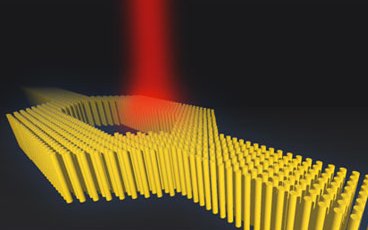
This talk will give an overview over recent research in the Nanoplasmonics group at Imperial College London. The first part will focus of fundamental investigations of localised plasmons in metallic nano particles, in particular approaching the quantum limit with nano antennas, non-local effects, and the creation of broadband light harvesters using transformation optics. The second part of the seminar will discuss applied studies in photovoltaics, biosensing, and a new application of plasmonic – plasmonic sinks for the selective removal of unwanted states in nanoscale light emitters.
|
|
 |
|
| Quaternary Nanocrystals: synthesis and energy applications |
| Dr Andreu Cabot |
University of Barcelona and
Catalonia Institute for Energy Research |
|
14:30, Friday 25 November 2011 | | Physics Seminar Room (Building 46/5081) |
The control of material composition at the nanoscale is essential to the optimization of the characteristics of novel nanomaterials and their performance in applications such as photovoltaics, catalysis and thermoelectrics. In bottom-up synthesis aproaches, nanocrystal composition is determined by the thermodynamics and reaction kinetics of the different precursors, with self-diffusivity playing a key role.
Colloidal synthesis has proved a successful method of obtaining elemental and binary nanocrystals with controlled size and shape distributions, but ternary and quaternary nanocrystals remain a challenge. Dr Cabot will describe current efforts to achieve this step-change in the chemical and structural engineering of functional nanomaterials, which promises to open up the technological potential of quaternary chalcogenides in a range of photonic, optoelectronic, magnetic and chemical applications.
|
|
 |
|
Measuring Hotter than the Centre of the Sun:
diagnosing the temperature of the ITER plasma |
| Dr Graham Naylor |
Culham Centre for Fusion Research |
|
14:30, Friday 18 November 2011 | | Physics Seminar Room (Building 46/5081) |
|
The surface of the sun has a temperature of about 6 thousand Kelvin, and its centre is estimated to be at around 15 million Kelvin; in comparison, the centre of the plasma of the International Thermonuclear Experimental Reactor (ITER) is expected to be several hundred million Kelvin. How can this be measured? Laser Thomson Scattering is used routinely around the world to measure the temperature of tokamak plasmas and is expected to be used on ITER but on a scale never achieved before.
|
|
 |
|
| Graphene for Photonics and Optoelectronics |
| Prof Andrea Ferrari |
University of Cambridge |
|
14:30, Friday 11 November 2011 | | Physics Seminar Room (Building 46/5081) |
The richness of optical and electronic properties of graphene attracts enormous interest. Graphene has high mobility and optical transparency, in addition to flexibility, robustness and environmental stability. It has great potential for photonics and optoelectronics, where the combination of its unique optical and electronic properties can be fully exploited, even in the absence of a bandgap, and the linear dispersion of the Dirac electrons enables ultra-wide-band tunability.
Despite being a single atom thick, graphene can be optically visualized. Its transmittance can be expressed in terms of the fine structure constant. The linear dispersion of the Dirac electrons enables broadband applications. Saturable absorption is observed as a consequence of Pauli blocking. Chemical and physical treatments enable luminescence. Graphene-polymer composites can be integrated in laser cavities, to generate ultrafast pulses, to below 200fs, with broadband tunability.
|
|
 |
|
| Flexible, Nanofabricated Photonic Crystals: a new class of micromechanical actuator |
| Dr James Bateman |
University of Southampton |
|
14:30, Friday 28 October 2011 | | Physics Seminar Room (Building 46/5081) |
Optical tweezers allow precise and delicate control of tiny objects from atoms to biological cells, yet they require intense light and tight focusing. In micro-optics, light is confined by near wavelength-scale structures, and these steep intensity gradients occur automatically. Coupled with optical resonators, which cause the field to build-up within the structure, we can engineer in microfabricated structures the ideal conditions for strong optical forces.
This combination of tweezing and microfabrication has spawned the rapidly growing field of optomechanics: toroidal resonators coupled evanescently to waveguides have allowed for table-top frequency combs, and vibrating photonic crystals have been cooled to their quantum-mechanical ground state. Despite the enormous scope of optomechanics, work has thus far been confined to the perturbative regime, where structures move only fractionally from their rest positions: mechanical motion is either an intermediary to affect the light, or is used for quantum mechanical demonstrations. This contrasts starkly with MEMS - micro-electromechanical systems - where microstructures move in response to applied voltages to provide technologically useful real world devices.
Dr Bateman will describe work towards creating an optically-driven equivalent of MEMS: micromechanical devices controlled and driven by light. This new class of microactuator will compliment MEMS in, for example, microfluidics, and it hints at far wider possibilities: freed from the electrical connections which tether MEMS to a substrate, we might create biologically-inspired peristaltic pumps, or even freely-floating microswimmers.
|
|
 |
|
| Atom Chips: where quantum optics meets material science |
| Prof Ron Folman |
Ben Gurion University |
|
14:30, Friday 14 October 2011 | | Physics Seminar Room (Building 46/5081) |
|
In this talk, Prof Folman will review the basics of a device called the atom chip in which quantum systems (e.g. ultra cold atoms) are trapped and manipulated microns from the classical environment of a room temperature surface. He will describe the underlying physics governing this combined apparatus (e.g. coupling through the highest temperature gradient ever created in a lab). All this will be detailed in the context of material science which allows engineering of the surface environment so as to accommodate fundamental studies as well as technological applications.
|
|
 |
|
| Evidence for a Cosmic Battery |
| Dr Denise Gabuzda |
University College, Cork |
|
14:30, Friday 7 October 2011 | | Physics Seminar Room (Building 46/5081) |
In a standard theoretical picture of the formation and launching of astrophysical jets, the jets should acquire helical magnetic fields, due essentially to the combination of the rotation of the central black hole and accretion disk and the jet outflow. One way such helical fields may be manifest is through their tendency to give rise to gradients in the observed local Faraday rotation across the jet, due to the systematic variation of the line-of-sight component of the helical magnetic field across the jet. Indeed, transverse Faraday rotation gradients have been observed across a number of AGN jets on both parsec and kiloparsec scales, providing direct evidence that they carry toroidal or helical magnetic fields.
The directions of the observed transverse Faraday rotation gradients provide statistical evidence for the operation of a cosmic "battery" in the accretion disks of AGN, which couples the direction of rotation and the direction of the poloidal (axial) field of the jet. If this "battery" is indeed operating, we have detected the presence of ordered currents and magnetic fields on a grand scale.
|
|
 |
|
| A Large, Dirty, Messy Quantum World? |
| Dr Mauro Paternostro |
Queen's University, Belfast |
|
14:30, Friday 30 September 2011 | | Physics Seminar Room (Building 46/5081) |
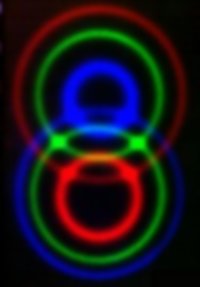
Quantum mechanics is difficult. Even the most experienced among us will admit the undeniable truth of this claim. Yet, the quantum framework is endowed with such a degree of accuracy that it has embodied a genuine conceptual revolution in the way we explain and understand Nature at the microscopic and level.
By adopting an information-theoretical viewpoint, Dr Paternostro will in this talk discuss the possibility to extend the applicability of quantum theory up to the point that inherently complicated systems, trespassing the boundaries of the clean and protected micro-world, can exhibit truly quantum features, thus entering what may be called "the mesoscopic quantum domain".
Dr Paternostro will discuss in depth the technological implications of such a paradigm shift and demonstrate that the control that is currently available in photonics and condensed-matter labs is indeed sufficient to build an experimental programme for the demonstration of a "larger, dirtier and messier quantum world"!
|
|
 |
|
| The Square Kilometre Array |
| Dr Joe Lazio |
JPL |
|
14:30, Friday 16 September 2011 | | Physics Seminar Room (Building 46/5081) |
The Square Kilometre Array is intended to be the centimetre- and metre-wavelength telescope for the 21st Century. Originally proposed as the "hydrogen telescope," the science case is now recognized to be much broader, and the SKA will address fundamental questions in astrophysics, physics, and astrobiology.
The international science community has developed a set of Key Science Programs: (1) Emerging from the Dark Ages and the Epoch of Reionization; (2) Galaxy Evolution, Cosmology, and Dark Energy; (3) The Origin and Evolution of Cosmic Magnetism; (4) Strong Field Tests of Gravity Using Pulsars and Black Holes; and (5) The Cradle of Life & Astrobiology.
Dr Lazio will highlight how the SKA's Key Science Programs will be an integral component of the multi-wavelength, multi-messenger frontiers for astronomy and how the science pathfinding for the SKA is beginning now.
|
|
 |
|
| High-Speed Optical Quantum Memories |
| Mr Klaus Reim |
University of Oxford |
|
14:30, Friday 10 June 2011 | | Physics Seminar Room (Building 46/5081) |
In a globalised world with ever-increasing, intercontinental information exchange, there is growing demand for secure communication technology, such as could be provided by photonic quantum communications networks. Currently, the biggest challenge for such networks is distance. Over short distances, photons, interacting only weakly with their environment, easily and reliably carry quantum information without much decoherence, but intercontinental quantum communication will require quantum repeaters embedded in potentially isolated locations, because photon loss rises otherwise exponentially with distance. In general, these repeaters will require some sort of quantum memory, a coherent device where single photons are reversibly coupled into and out of an atomic system, to be stored, possibly processed and then redistributed. In order to be practically useful, this will need to have sufficiently large bandwidth, high efficiency and long storage time, with multimode capacity, and a low-enough noise level to enable operation at the quantum level.
Dr Reim will talk about an ensemble-based, far off-resonant Raman approach to quantum memories, describe how the interaction mechanism works and show how a single photon level signal may be stored in the quantum memory and retrieved at a controlled later point in time. Furthermore, he will address de-phasing mechanisms for the stored spin-wave excitation that limit storage times and discuss storage and retrieval of polarization-encoded qubits.
|
|
 |
|
| Ion Coulomb Crystals: classical and quantum effects at the linear-zigzag transition |
| Prof Giovanna Morigi |
Universität des Saarlandes |
|
14:30, Friday 27 May 2011 | | Physics Seminar Room (Building 46/5081) |
|
A string of trapped, cold ions exhibits a structural phase transition to a zigzag structure, which can be tuned by adjusting the trap potentials and particle number. This proves to be a quantum phase transition, which can be mapped onto that of an Ising chain in a transverse field, and has a measurable deviation from the classical prediction. Three-dimensional Coulomb crystals of cold, trapped ions constitute a fascinating physical realization of the phenomena discussed by Wigner for electrons in metals, can be experimentally realized and probed, and have potential applications in quantum simulators and other quantum technologies.
|
|
 |
|
| An Ion Trap in a Silicon Chip: a component for atomic quantum technologies |
| Dr Alastair Sinclair |
National Physical Laboratory |
|
14:30, Friday 20 May 2011 | | Physics Seminar Room (Building 46/5081) |
Scalability of atomic systems for quantum technologies is a significant challenge. To address this, microfabrication techniques are increasingly used to realise chip-based architectures for confining atomic particles.
The NPL team has developed a microfabricated ion trap chip using scalable processing techniques, based on gold-coated, oxidised silicon. This trap possesses a unique set of credentials and is now operational. Confined in the deep potential afforded by the 3D monolithic structure, ions exhibit motional frequencies of a few MHz and a low heating rate. While first devices consist of only a few trapping segments, the fabrication process will enable devices containing a complex array of many electrodes.
This talk will describe the fabrication and elementary operation characteristics of the chip-scale ion trap. Applications prospects for the device, which include quantum metrology & sensors, and quantum processors & networks, will be discussed.
|
|
 |
|
| New Adventures in Ultrafast and Single Molecule Optics |
| Dr Philipp Kukura |
University of Oxford |
|
14:30, Friday 13 May 2011 | | Physics Seminar Room (Building 46/5081) |
|
Dr Kukura will discuss recent developments in the application of laser-based techniques to directly visualise and thereby study dynamic processes occurring on vastly different time and size scales in chemistry and biology. The first part of the talk will focus on combined experimental and theoretical efforts based on ultrafast spectroscopy aimed at revealing atomic motion on its intrinsic, femtosecond, time scale. Specifically, it will address the structural changes occurring during the primary step in vision, the 11-cis to trans isomerization of the retinal chromophore in the visual pigment rhodopsin, and its implications for rhodopsin reactivity and efficient photochemistry in general. The second part will introduce a novel microscopic imaging technique based on interferometric scattering (iSCAT) and illustrate its use for high-speed, three-dimensional nanometric tracking of nanometer-sized objects. Particular attention will be geared towards recent results on the nanoscopic motion of individual virions diffusing on artificial membranes as well as the extension of iSCAT towards label-free sensing and the first detection and imaging of single molecules in absorption.
|
|
 |
|
| The Molecular Mechanism of Respiration |
| Ms Philippa Roberts |
University of Cambridge |
|
14:30, Friday 6 May 2011 | | Physics Seminar Room (Building 46/5081) |
Synthesis of the biological molecular 'energy carrier' ATP is driven by a mitochondrial electrochemical gradient, in which the transfer of electrons between donors and accepters is coupled to the transfer of H+ ions (protons). The biological catalytic cycles are fairly well understood, in so much as we know which chemicals react with which enzymes, but the molecular mechanism of electron transfer and proton translocation remains something of a puzzle.
Some of the mechanisms most likely involve coherent quantum hopping of electrons through a chain of iron-sulphur clusters and a conformational change that drives proton transport across the mitochondrial inner membrane. This talk discusses recent advances towards understanding the proton translocation mechanism and electron transport mechanism within the enzyme.
|
|
 |
|
| Strongly Interacting Photons |
| Prof Charles Adams |
University of Durham |
|
14:30, Friday 1 April 2011 | | Physics Seminar Room (Building 46/5081) |
|
The control of light at the few photon level is compromised by the absence of sufficiently large optical non-linearities. To overcome this limitation, photons may be mapped into atomic Rydberg excitations that have extremely large dipole-dipole interactions. The interaction between Rydberg atoms creates a photon blockade, leading to a large non-linearity at the single photon level.
|
|
 |
|
| The Hundred Year Hunt for the Red Sprite |
| Mr Peter McLeish |
|
|
14:30, Friday 25 March 2011 | | Physics Seminar Room (Building 46/5081) |
|
This presentation documents one of the most unexpected atmospheric scientific findings of the late 20th century. For over a century, people – including well-respected scientists – had reported seeing strange lights in the night sky about thunderstorms. But it remained until a "happy accident" in 1989 for the first such event to be captured on video tape with a low-light camera. One researcher exclaimed it was as if Biology had just suddenly discovered a new human body part. Since then, an entire "zoo" of luminous creatures has been found in the thin air above thunderstorms – and discoveries are still being made. The presentation also examines how the public can become engaged in the search for new thunderstorm-related electrical phenomena.
|
|
 |
|
| Optical Nanofibres for Probing and Manipulating Particles |
| Dr Sile Nic Chormaic |
University College, Cork |
|
14:30, Friday 18 March 2011 | | Physics Seminar Room (Building 46/5081) |
|
Dr Nic Chormaic will discuss tapered optical fibres of subwavelength diameter, including their fabrication and use in a range of experiments, and will explore how dark nanofibres can be used to probe the characteristics of laser-cooled atoms and how bright nanofibres are used to study surface interaction effects between the atoms and the fibre surface. Finally, she will consider higher order mode propagation within an optical fibre and discuss how this could be used to generate ordered arrays of trapping sites around the fibre for cold atoms or colloidal particles.
|
|
 |
|
| The Size of the Proton |
| Dr Randolf Pohl |
Max Planck Institute for Quantum Optics |
|
14:30, Friday 11 March 2011 | | Physics Seminar Room (Building 46/5081) |
The proton charge radius Rp has recently been determined by means of laser spectroscopy of the exotic "muonic hydrogen" atom with ten times higher accuracy than the present CODATA value of Rp - but 5 sigma away from it. It is not yet clear how this discrepancy has to be interpreted. Ultimately, the result could question the validity of the most precisely tested fundamental theory of matter and light, or change the value of the most precisely determined fundamental physical constant.
The muon, which is the 200 times heavier cousin of the electron, orbits the proton with a 200 times smaller Bohr radius compared to regular hydrogen. This enhances the sensitivity to the proton's finite size tremendously.
|
|
 |
|
| A Physicist in Finance |
| Dr Dean Read |
IMC Financial Markets, Amsterdam |
|
14:30, Friday 25 February 2011 | | Physics Seminar Room (Building 46/5081) |
|
For a couple of decades there has been a flow of doctorate level physicists to the financial services industry. This talk aims to provide some insight into what these so called ‘Rocket Scientists' are doing and why their physics background is even relevant in an arena where the only goal is to buy low and sell high.
|
|
 |
|
| The Physics of Snow |
| Dr Paul Connolly |
University of Manchester |
|
14:30, Friday 18 February 2011 | | Physics Seminar Room (Building 46/5081) |
|
Snowflakes form when vapour grown ice crystals aggregate together. The rate at which this happens can affect whether snow reaches the ground or not. This talk will cover the physics of snow formation and will present laboratory data of snow formation in the Manchester Ice Cloud Chamber to test our understanding of the efficiency by which ice crystals stick together.
|
|
 |
|
| Variations on a Theme of Aharonov and Bohm |
| Prof Sir Michael Berry FRS |
University of Bristol |
|
14:30, Friday 11 February 2011 | | Physics Seminar Room (Building 46/5081) |
|
The partial anticipation of the Aharonov-Bohm (AB) effect by Ehrenberg and Siday was an approximation whose wavefunction was not singlevalued; its connection with the singlevalued AB wave involves a ‘many-whirls representation' in terms of waves winding round the flux line. AB is a fine illustration of idealization in physics. There are four AB effects, depending on whether the waves and the flux are classical or quantum; in the classical-classical case, fine details of the AB wavefunction have been explored experimentally in ripples scattered by a water vortex. The AB wave possesses a phase singularity, and there is a similar phenomenon in general interferometers. There are connections between the AB wave and the Cornu spiral describing edge diffraction. In bound systems, the half-flux case exhibits unexpected energy-level degeneracy structure.
|
|
 |
|
| Atomic Cooperativity in Cavity Quantum Electrodynamics |
| Dr Jon Goldwin |
University of Birmingham |
|
14:30, Friday 4 February 2011 | | Physics Seminar Room (Building 46/5081) |
|
Optical cavities can provide a way to enhance the basic interactions between light and matter. Dr Goldwin will discuss experiments where microfabricated Fabry-Perot resonators are used to detect clouds of cold atoms at densities below one atom per cavity mode volume. It is observed that the signal fluctuations due to random atom numbers and positions are heavily suppressed, leaving photon counts near the shot noise limit. This noise reduction may be traced back to the nonlinear interaction of the collective atomic dipole with the quantum optical field of the cavity.
|
|
 |
|
| Gyrocopters |
| Mr Steve Boxall |
The Gyrocopter Experience |
|
14:30, Friday 28 January 2011 | | Physics Seminar Room (Building 46/5081) |
Invented by Spanish engineer Juan de la Cierva and first flown in 1923, the gyrocopter or autogiro is best known to most from the 1967 Bond film You Only Live Twice. Unlike the helicopter which uses its engine to power the lift-generating rotor directly, the gyrocopter has a freely-rotating rotor whose blades act like the wings of a glider, the aircraft being maintained in flight by the horizontal thrust from a conventional propeller. The result is a simple aircraft with much of the manoeuvrability of a helicopter, which requires a (short) ground run to become airborne but can achieve a near-vertical descent to land.
Recent refinements to classical designs have brought a new generation of commercially-produced two-seat aircraft that have propelled the gyrocopter from the domain of the quirky enthusiast to the mainstream, and gyrocopter schools are opening across the country. Steve Boxall - a gyrocopter pilot for over a decade and flight instructor for over 20 years - is the chief instructor of the Gyrocopter Experience at Old Sarum; in this talk, he will describe both the principles and joys of gyrocopter flight.
|
|
 |
|
| Accelerators - Giant or Compact - for Science, Industry and Society |
| Prof Andrei Seryi |
John Adams Institute for Accelerator Science |
|
14:30, Friday 21 January 2011 | | Physics Seminar Room (Building 46/5081) |
|
Accelerator science is a key element for discoveries in high energy physics, and is a crucial source for many advances in biology, medicine, solid state physics, future energy production, and various other fields. The size of facilities spans from international mega projects to university-scale installations. Interdisciplinary research on the boundaries of accelerator, laser, and plasma physics will revolutionize the entire landscape of accelerator science and open possibilities for stronger connections to industries. The modern trends in accelerators and compact X-ray and THz sources will be discussed in the context of future plans of the John Adams Institute for Accelerator Science, as well as within the national and international context.
|
|
 |
|
| Exploring Strongly Correlated Quantum Matter in Artificial Crystals of Light |
| Prof Immanuel Bloch |
Max Planck Institute for Quantum Optics
Ludwig Maximilians University, Munich |
|
14:30, Friday 10 December 2010 | | Physics Seminar Room (Building 46/5081) |
|
The realization of ultracold quantum gases at Nanokelvin temperatures has marked a milestone in modern quantum physics. With the help of laser light, these ultracold atom clouds can be stored in artificial periodic potentials created by laser light - so called optical lattices - that allow us to explore fundamental aspects of strongly interacting fermionic and bosonic quantum matter. In very recent experiments, the Munich groups have been able to record single snapshots of a quantum fluid in which individual atoms are detected with single lattice site resolution. This opens unprecedented novel opportunities for analyzing and manipulating strongly interacting quantum system. In his talk, Prof Bloch will review some of the recent experiments on strongly correlated quantum gases in optical lattices and highlight connections to condensed matter physics, quantum information science and atomic-and molecular physics.
|
|
 |
|
Focusing and Imaging in Disordered Systems:
why you can see more sharply through a dirty window |
| Dr Allard Mosk |
University of Twente |
|
14:30, Friday 26 November 2010 | | Physics Seminar Room (Building 46/5081) |
|
In opaque white materials such as paper, paint and biological tissue, light is randomly scattered and loses its direction completely as it diffuses through the system. Dr Mosk's group has shown experimentally that light can be controlled as it propagates within and through such disordered materials. Remarkably, the scattering can even improve control. Phase coherence, and therefore the possibility for the light to show interference phenomena, is not lost by elastic scattering processes. By manipulating the incident wavefront, it is possible to force constructive interference at any point in space and thereby focus light inside and through opaque materials. Wavefront shaping can also drastically change the total transmission through a material, displaying a universal mode of wave transport. Dr Mosk will discuss eigenchannels of the transmission matrix, special wavefronts in which the energy is fully transmitted or fully reflected by a random scattering material. Since the first introduction of wavefront shaping methods in optics of random scattering materials, several exciting new developments have brought the method much closer to practical applications in technology and medicine.
|
|
 |
|
| How Animals Navigate |
| Air Cdre D F H 'Pinky' Grocott |
Royal Institute of Navigation |
|
14:30, Friday 19 November 2010 | | Physics Seminar Room (Building 46/5081) |
|
The Monarch butterfly migrates 2,000 to 3,000 km using primarily a sun compass and magnetism, while turtles find the way back to their place of birth after 20 years. These are just two of the extraordinary examples that Air Cdre 'Pinky' Grocott will be using to illustrate the many different techniques that animals use to find their way around - from polarized light and magneto-reception to smell. A past President of the Royal Institute of Navigation (RIN), Air Cdre Grocott has many years experience in both air and animal navigation.
|
|
 |
|
| The Geonium Chip: a superconducting planar Penning trap for electrons |
| Dr José Verdú-Galiana |
University of Sussex |
|
14:30, Friday 12 November 2010 | | Physics Seminar Room (Building 46/5081) |
|
Penning ion traps are used in a wide variety of applications, including mass spectrometry, high precision measurements of atomic and nuclear properties and the production of antihydrogen. Originally motivated by recent proposals for the implementation of a quantum processor with trapped electrons, novel, scalable, planar Penning traps have been designed and fabricated, but the observation of a single trapped electron remains an open challenge. The Sussex group has conceived a planar Penning trap technology which allows the capture and efficient detection of a single electron in a design inspired by extraordinary developments in planar microwave technology. Superconducting microwave resonators have been fabricated, and are capable of storing a single photon for a long time, thus permitting the coherent transfer of quantum information between different physical systems within the chip. This has led to a new theoretical approach, known as circuit-quantum electrodynamics (circuit-QED), to describe the interactions of (artificial) atoms and photons using concepts and methods of circuit theory. Dr Verdu-Galiana will describe the novel superconducting Coplanar Waveguide-Cavity Penning Trap and his recently started project to develop a geonium chip where, among other applications, a single trapped electron will become one of the basic building blocks of future quantum circuits.
|
|
 |
|
| Extracting Structure from Signals |
| Dr Nick Jones |
University of Oxford |
|
14:30, Friday 5 November 2010 | | Physics Seminar Room (Building 46/5081) |
|
Scientific optimism suggests that the data we collect has an underlying simplicity. Yet experience tells us that detecting this simple structure can be hard. How to select the best method for probing signal structure from a zoo of tools for time series analysis is often very unclear. Dr Jones will discuss a recent, extensive, synthesis of methods for data analysis; this yields a powerful tool for probing not only the empirical structure of signals but also their methods and models. He will then consider how this helps characterize nanopores, epilepsy, bird-song, fractional brownian motion, and detrended fluctuation analysis.
|
|
 |
|
| Light to Cool, Manipulate and Probe Many-Body Systems with Ultracold Bosons |
| Dr Chiara Fort |
LENS and Universitŕ di Firenze |
|
14:30, Friday 29 October 2010 | | Physics Seminar Room (Building 46/5081) |
|
This talk will describe how laser light is used in current experiments to simulate and study many-body physics using ultracold quantum gases. In particular, after a general introduction, Dr Fort will report on recent experiments performed at LENS where inelastic light scattering is used to probe correlated phases produced by loading a Bose-Einstein condensate into optical lattices.
|
|
 |
|
| A Fluid Motion Approach to Cosmology |
| Prof Geoffrey Lilley OBE |
University of Southampton |
|
14:30, Friday 22 October 2010 | | Physics Seminar Room (Building 46/5081) |
Prior to the explosion of research during the past century on Cosmology, following Einstein's work on Relativity, the fields of Fluid Mechanics and Optics, leading respectively to the propagation of sound and light, were regarded as having much in common since they were governed by the same unique wave equation, even though sound waves were longitudinal and light waves were transverse and travelled a million times faster than sound. It was common to study phenomena such as wave interference using the shallow water ripple analogy tank since shallow water surface waves, sound and light all obeyed the same wave equation, and hence had similar solutions for the same ratio of source speed to wave propagation speed in the appropriate medium: respectively water, air and the ether.
The ether had been introduced as long ago as the Greeks and more recently by Huygens and even Newton to support wave motion in the universe. Its properties were unknown and were stated by Maxwell, in introducing the equations of electromagnetic radiation, as the greatest unknown property of all science. All experiments failed in finding the ether and it was left to Einstein to introduce the postulate that since all attempts to find the ether had failed therefore for all practical purpose it could be assumed not to exist, and that all intergalactic space was a void. Thus at a stroke any connection between the propagation of sound and light was severed, and it was accepted that light could be propagated in a void whereas experiment confirmed that sound could not. The present work explores a possible model for dark matter as a physical realization of an ether of finite density, and its implications for a model of the Universe.
|
|
 |
|
In-Situ Wavefront Optimization:
a new route to ideal performance of biophotonic systems |
| Dr Tomáš Čižmár |
University of St Andrews |
|
14:30, Friday 15 October 2010 | | Physics Seminar Room (Building 46/5081) |
State-of-the-art biophotonics laser systems frequently rely upon high numerical aperture objectives tightly focusing a laser beam, ideally into a diffraction limited spot, the smallest possible area where the total laser power can be concentrated. However, in all optical systems, optical and alignment imperfections result in deleterious aberrations that manifest themselves by an unwanted reduction of the focus intensity and a distribution of the optical power outside the focal volume. Such optical aberrations can be eliminated introducing an adaptive optical element but naturally, the wavefront distortion has to be recognized and properly quantified prior to the compensation being applied.
Dr Cizmar will present a method to eliminate all aberrations including those originating in the sample chamber and restore the optimal focusing of laser light in situ after propagating through a random scattering medium. It will be shown that the optimized spot can be used for optical trapping even for the case of a laser beam passing a very strongly scattering media present within the sample chamber. Other important applications will be demonstrated, including complex beam profiling, enhanced beam shaping, optical trapping with uncorrected optics, or controlling the laser output from a multimode optical fibre.
|
|
 |
|
Detecting Phase Transitions in Supercritical Mixtures:
an enabling tool for greener chemical reactions |
| Prof Martyn Poliakoff CBE, FRS |
University of Nottingham |
|
14:30, Friday 8 October 2010 | | Physics Seminar Room (Building 46/5081) |
|
Detecting phase transitions in high-pressure CO2 and supercritical fluids was first attempted in the nineteenth century. By contrast, Green Chemistry, the design and implementation of cleaner methods of manufacturing and processing chemicals, is barely 20 years old. Now, the use of CO2 as an environmentally more acceptable replacement for traditional solvents for greener chemical reactions is creating the need for new, more rapid methods for elucidating high-pressure phase behaviour. This lecture outlines some approaches, developed in Nottingham, to meet this need, including shear-mode quartz sensors, the fibre-optic reflectometer and pressure drop measurements.
|
|
 |
|
| Controlling and Interfacing Atoms and Light |
| Prof Axel Kuhn |
University of Oxford |
|
14:30, Friday 18 June 2010 | | Physics Seminar Room (Building 46/5081) |
|
In the endeavour of constructing a quantum computer, a major challenge is to couple and control a large ensemble of identical quantum systems at the single-particle level. In this colloquium, Prof Kuhn will first show how to interface single atoms with single photons in high-finesse optical resonators, and then introduce his group's approach of manipulating these atoms with an array of optical tweezers. These two approaches are the keys to scalable quantum networks, which one could use for quantum computing or simulation.
|
|
 |
|
| Using Mathematical Models to Plan for Outbreaks of Plague |
| Dr Ian Hall |
Health Protection Agency |
|
14:30, Friday 11 June 2010 | | Physics Seminar Room (Building 46/5081) |
The plague caused by the bacterium yersinia pestis is reckoned to have caused 200 million deaths since it was first recorded devastating the Byzantine empire in the sixth century, to have wiped out at least a quarter of the population of Europe as the Black Death in medieval times, and to have killed a fifth of London's population in the Great Plague of 1665-6. Spread then by fleas as an infection of the lymph nodes (buboes, hence bubonic), the plague can also infect the lungs and be spread directly from person to person through coughs and sneezes. Pneumonic plague is regarded as one of the most likely diseases to be used in a modern bioterrorism attack, and its epidemiology is therefore keenly studied.
Dr Hall will discuss the nature of this unpleasant and often fatal disease, how it is transmitted, its eco-epidemiology, and the crucial part played, when it occurs in modern society, by human perceptions and responses to it. He will outline some conclusions from epidemiological studies suggesting helpful strategies for managing any outbreaks, and will describe the role of the Health Protection Agency and other agencies in planning for and management of such events. The talk will be lavishly illustrated.
The Microbial Risk Assessment group, within the Health Protection Agency, is tasked with providing evidence based advice relating to new and emerging infections. Plague, in its various forms, is an endemic disease in parts of the world and is fatal in almost all untreated cases. As such it is a risk to public health and this presentation considers the effect of natural disease importation on wildlife ecology, the impact of small numbers of human cases of pneumonic plague and the control of larger releases. Whilst evaluating the control of larger releases we analyse the results from a behavioural survey on public reaction to plague releases. The evidence base for assumptions and parameterisation of models when used to inform contingency plans must be critically appraised.
|
|
 |
|
| Sixty Years On Ice |
| Dr Charles Swithinbank |
British Antarctic Survey & Scott Polar Research Institute |
|
14:30, Friday 28 May 2010 | | Physics Seminar Room (Building 46/5081) |
Charles Swithinbank is the first person to have an unbroken career in polar research from graduation to retirement. His first Antarctic expedition at the age of 22 led to an Oxford D.Phil in glaciology. He went on to work in Arctic Canada before enjoying 26 years with the Scott Polar Research Institute, the British Antarctic Survey, the U.S Antarctic Program and the Soviet Antarctic Expedition. He has voyaged to the North Pole in a submarine and has worked at the South Pole.
Dr Swithinbank is the author of four volumes of autobiography.
|
|
 |
|
| Quantum Gases - quantum simulation and precision sensors |
| Prof Kai Bongs |
University of Birmingham |
|
14:30, Friday 21 May 2010 | | Physics Seminar Room (Building 46/5081) |
|
Ultracold atomic gases offer a pristine resource for the study of fundamental quantum phenomena as well as the realization of ultraprecise sensors. The talk will present an introduction to cold atom physics and optical lattices. Here the bosonic superfluid to Mott insulator transition is one groundbreaking example of the possibility to simulate one quantum system with another one. On the applied side the talk will discuss quantum sensors based on atom interferometry and some technological developments in the area of quantum gases in space.
|
|
 |
|
| First Results from the LHC |
| Mr Matt Coombes |
University of Southampton |
|
14:30, Friday 14 May 2010 | | Physics Seminar Room (Building 46/5081) |
|
With the Large Hadron Collider colliding particles at record energies since the end of 2009, there has been a great interest from the world's media and scientists. This talk aims to give a simple introduction to the exciting physics currently taking place at the LHC. Each of the four main experiments on the LHC ring will be introduced. The physics aims of each experiment will be discussed with a look at the new physics that may be observed at energy levels that only the LHC is capable of probing. A performance update of the LHC since its 2009 start up will also be given.
|
|
 |
|
| Polymer Solar Cells |
| Prof Neil Greenham |
University of Cambridge |
|
14:30, Friday 7 May 2010 | | Physics Seminar Room (Building 46/5081) |
|
Solar energy is ubiquitous, but for solar cells to contribute a significant reduction in carbon emissions they need to be cheaper than the current silicon technology and capable of being produced over vast areas. Solar cells based on semiconducting polymers are therefore attractive since they can be produced by roll-to-roll printing onto flexible substrates. The efficiencies of these cells are improving rapidly, but are still not high enough for large-scale application. Prof Greenham will describe some of the science surrounding organic solar cells, addressing the issues of how to separate charges in an organic semiconductor, how to reduce recombination losses, and how to image and control nanostructures on the nanometre lengthscales required.
|
|
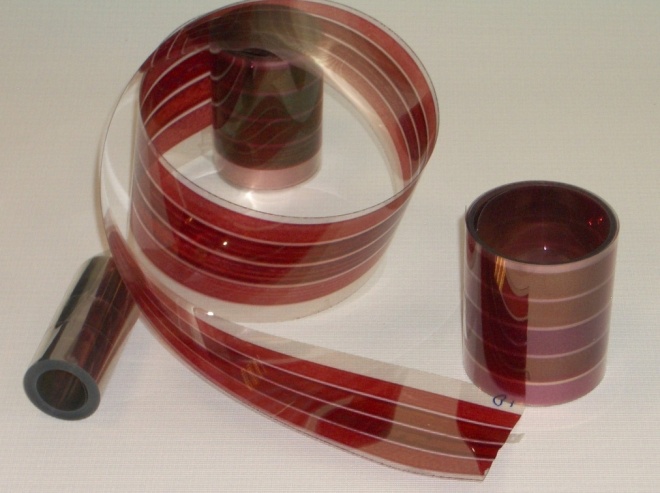 |
|
| Insects on Rubber and Dogs on Springs: sensing and perturbing animals to understand the mechanics and control of legged motion |
| Dr Andrew Spence |
Royal Veterinary College |
|
14:30, Friday 30 April 2010 | | Physics Seminar Room (Building 46/5081) |
|
One of the grand challenges in organismal biology is to understand how the nervous system produces locomotion. Animals move quickly through heterogeneous, three dimensional environments with stability and economy that far surpass our technology. This talk will present work that seeks to discover the control targets used by fast running, legged animals to achieve their remarkable performance. Results from insects and dogs running over soft surfaces will be presented, suggesting that many-legged runners use a different strategy than that of bipedal runners to compensate for soft surfaces. Yet the intriguing possibility exists in both systems that sinking into a surface may simplify the task for the neural controller, because of the mechanics of leg posture on foot touchdown. The implications of these results for the hypotheses of low-dimensional mechanical templates as targets of control, and of dimensional reduction in sensorimotor control, will be discussed. The integrative nature of this work, drawing on biology, physics, dynamical systems and control theory, as well as robotics, will be highlighted.
|
|
 |
|
| Synthesis, Emergence and New Properties of Hybrid Nanoscale Objects |
| Prof Steve Mann |
University of Bristol |
|
14:30, Friday 23 April 2010 | | Physics Seminar Room (Building 46/5081) |
|
Organized-matter chemistry is concerned with the synthesis, characterization and application of complex materials that exhibit order on length scales from the molecular to macroscopic. Recently, new strategies have been developed for the integration of organic self-organization and inorganic assembly such that hybrid nanoscale objects and nanostructures can be constructed by equilibrium (bottom-up templating) or non-equilibrium processes (synergistic emergence). These principles will be illustrated using several examples of the Bristol group's most recent work including the co-assembly of block copolymer/titania (silica) nanowires, synthesis of metallic nanowires arrays within cross-linked protein crystals, reconstitutive co-assembly of graphene/DNA nano-hybrids and the unprecedented formation of solventless liquid proteins at room temperature.
|
|
 |
|
| Sustainable Energy - the IMechE UK Energy Plan for 2050 |
| Dr Alison Cooke |
University of Cambridge & Cooke Associates |
|
14:30, Friday 19 March 2010 | | Physics Seminar Room (Building 46/5081) |
How easy is it to get off our fossil fuel habit? Could Britain live on its own renewable energy? How does our current energy consumption compare with our sustainable energy options? Dr Alison Cooke will offer a straight-talking assessment of the engineering challenges involved, and discuss how to make energy plans that add up, based on the IMechE UK Energy Plan which was presented in Copenhagen in September 2009 alongside 9 other countries.
Dr Cooke is a Fellow of The Institution of Mechanical Engineers and Chair of the UK's Future Climate Steering Group, an international project to mobilise engineers from over 10 developed and developing countries.
|
|
 |
|
| Energy Concentration in Composite Quantum Systems |
| Dr Almut Beige |
University of Leeds |
|
14:30, Friday 12 March 2010 | | Physics Seminar Room (Building 46/5081) |
|
The spontaneous emission of photons from optical cavities and from trapped atoms has been studied extensively in the framework of quantum optics. Theoretical predictions based on the rotating wave approximation (RWA) are in general in very good agreement with experimental findings. However, current experiments aim at combining better and better cavities with large numbers of tightly confined atoms. Here we predict an energy concentrating mechanism in the behavior of such a composite quantum system which cannot be described by the RWA. Its result is the continuous leakage of photons through the cavity mirrors, even in the absence of external driving. We conclude with a discussion of the predicted phenomenon in the context of thermodynamics.
|
|
 |
|
| Laser-Driven Plasma Accelerators |
| Prof Simon Hooker |
University of Oxford |
|
14:30, Friday 5 March 2010 | | Physics Seminar Room (Building 46/5081) |
Electrons are pushed away from the front and back of a high-intensity laser pulse as it propagates through a plasma, leading to the formation of a plasma wave which trails the laser pulse. The longitudinal electric field within this wave can be as high as 100 GV/m – more than three orders of magnitude larger than that found in the RF accelerators used at synchrotron and particle accelerator facilities around the world. Laser-driven plasma accelerators are therefore able to accelerate particles to high energies in a fraction of the length required with conventional technology, and in the longer term may offer a way to reach energies beyond those possible with current technology.
Prof Hooker will describe the operation of laser-driven plasma accelerators and discuss the factors which limit the beam energy that they can reach. He will present the results of several experiments, including recent experiments with the Astra-Gemini laser, in which electron beams were generated with energies up to 1 GeV. He will also discuss the application of laser-driven plasma accelerators to the generation of tunable femtosecond-duration x-ray pulses, as well as their potential for reaching energies significantly beyond the GeV range.
|
|
 |
|
| Gold Nanoparticles, Peptides and Cells: the dynamic picture |
| Dr Raphael Levy |
University of Liverpool |
|
14:30, Friday 26 February 2010 | | Physics Seminar Room (Building 46/5081) |
The dynamic interactions and fate of nanomaterials in contact with living systems is thought to be controlled by the structure and chemical properties of its interface. In most cases, the interface is formed by a layer of organic molecules (polymers, proteins or small molecules). This layer is itself dynamic and can evolve due to ligand exchange, enzyme activity and non-specific binding. The layer encodes the specific recognition properties of the particle and also often carries active moieties. It is therefore critical for the progress of the field that the chemical integrity of the layer and the fate of the core materials can be followed independently in real time.
Using a combination of photothermal (imaging of the core material) and fluorescence (imaging of the organic layer) the Liverpool group has shown that peptides and proteins attached to nanoparticles are degraded by the enzyme Cathepsin L upon cell entry. This process is generic: Cathepsin L is ubiquitous and is able to cut a third of the proteome. Such potential degradation has to be taken into account in the design of future bioconjugated nanomaterials.
The degradation mentioned above occurs in the endosomal/lysosomal compartments of the cell. Finding intracellular delivery strategies which reach the cytosol and bypass these compartments is of primary importance for applications of nanomaterials in imaging and nanomedicine. Dr Levy will present a range of approaches currently under investigation in our lab, including the use of targeting peptides and permeabilizing toxins.
Another major challenge in the field is the structural characterization of nanomaterials. This challenge is similar to the one faced by biologists in the early days of structural biology. Dr Levy will report on recent progress on the structural characterization of peptide-capped nanoparticles.
|
|
 |
|
| Quantum-Opto-Mechanics: quantum-optical control of nano- and micro-mechanical systems |
| Prof Markus Aspelmeyer |
University of Vienna |
|
14:30, Friday 19 February 2010 | | Physics Seminar Room (Building 46/5081) |
Nano- and micromechanical resonators are about to become a new paradigm system for quantum science. They combine features that allow unique approaches in both quantum foundations and quantum applications. For example, their flexibility to couple to a variety of physical systems (photons, electrons, atoms etc.) together with their on-chip integrability promises novel transducer schemes for quantum information processing. At the same time, their mass and size allows access to a hitherto untested parameter regime of macroscopic quantum physics such as quantum superposition states involving objects that are visible to the bare eye.
Quantum optics provides a well-developed toolbox to enter and control the quantum regime of mechanical systems. Prof Aspelmeyer will briefly highlight the recent developments of the field and report the current status in his Vienna experiments on laser cooling micromechanical resonators towards their quantum ground state and on strong optomechanical coupling to achieve coherent quantum control. He will also discuss recent progress towards generating optomechanical quantum entanglement, which is at the heart of Schrödinger's cat paradox.
|
|
 |
|
| Climate Change and Sustainable Energy |
| Dr Hugh Hunt |
University of Cambridge |
|
14:30, Friday 5 February 2010 | | Physics Seminar Room (Building 46/5081) |
Is climate change for real? If so, what can we do about it? What is my own carbon footprint? What can I do make a difference? These are the sorts of questions that are addressed in this talk. To answer them we need to do "sums" - just simple addition and multiplication is enough. We must reject solutions that don't "add up" and we mustn't rule out possible solutions purely on emotive grounds. Most people take sides before they've looked at the sums. Our future is in the balance and we're in danger of making the wrong choices.
This talk will draw on material from David MacKay's excellent book "Sustainable Energy Without the Hot Air".
|
|
 |
|
| Rydberg Aggregates: interactions inan ultracold gas of Rydberg atoms |
| Prof Matthias Weidemüller |
University of Heidelberg |
|
14:30, Friday 29 January 2010 | | Physics Seminar Room (Building 46/5081) |
Due to the long-range character of the interaction between highly excited atoms, the dynamics of an ultracold gas of Rydberg atoms is entirely determined by van-der-Waals and dipole-dipole interactions. One outstanding property is the tunability of the strength and the character of the interactions with static electric fields. This allows one to explore the transition from a weakly coupled two-body system to a strongly coupled many-body system. The long-range interaction leads to many-body entanglement and has possible applications in quantum computing. In this talk, Prof Weidemüller will first give a general introduction into the field of Rydberg gases with special emphasis on our recent experiments.
In recent experiments, the Heidelberg group has studied coherent phenomena in an ultracold gas of Rydberg atoms under the influence of dipolar interactions. The Rydberg gas is formed in in a magneto-optical trap via cw two-photon excitation of Rb atoms into states with principal quantum number 30 to 100 using cw lasers at 780 nm and 480 nm. Recent results include coherent Rabi oscillations between ground and Rydberg states and the observation of the dipole blockade in a mesoscopic sample, stimulated rapid adiabatic passage with 90%transfer efficiency into Rydberg states, and studies of the many-body character of resonant energy transfer processes. These experiments reveal the role of interaction-induced mechanical forces as well as the influence of black-body radiation on the many-particle motional dynamics of the system. The latest experiments have revealed the antiblockade of excitation, as the antipode of the dipole blockade, and have explored coherent population trapping under the influence of long-range van-der-Waals forces.
|
|
 |
|
| The Silent Flight of the Owl (and applications to the design of future quiet commercial aircraft) |
| Prof Geoffrey Lilley OBE |
University of Southampton |
|
14:30, Friday 22 January 2010 | | Physics Seminar Room (Building 46/5081) |
|
The Owl is the only vehicle that flies silently. It is thought from the fossil record that the owl achieved this some 20 million years ago, and accounts for its survival In this talk we will discuss the details of the owl's hushkit which involves both the aerodynamics and the aeroacoustics as well as the flight performance of the owl. The differences of the owl's feathers from most other birds have been studied by ornithologists for many years but it is only relatively recently that we have measurements and thus discovered a physical understanding of the mechanism involved in achieving silent flight. We conclude the lecture by exploring how we might use Owl Technolgy in the design of future Quiet Commercial Aircraft to almost reduce noise to the ambient level on the take-off and approach to landing when flying over residential areas near airports.
|
|
 |
|
| Cochlear Implants: signal engineering for profound deafness |
| Dr Carl Verschuur |
University of Southampton |
|
14:30, Friday 8 January 2010 | | Physics Seminar Room (Building 46/5081) |
|
Cochlear implants are surgically implanted devices that provide a sensation of hearing, along with some ability to perceive speech, to individuals with severe to profound deafness who cannot benefit from acoustic hearing aids. This talk will provide an overview of what cochlear implants are, how they work, what benefits they provide for recipients, and what technical and scientific challenges lie ahead in the treatment of profound deafness with implantable devices.
|
|
 |
|
| LUCID: Putting a CERN Detector in Space and in Schools |
| Ms Becky Parker MBE |
Langton Star Centre, and
Simon Langton Grammar School for Boys |
|
14:30, Friday 11 December 2009 | | Physics Seminar Room (Building 46/5081) |
|
The Langton Star Centre at Simon Langton Grammar School for Boys is working closely with CERN and Surrey Satellite Technology Limited to put a new design of cosmic ray detector into space. This will be linked to an array of school detectors with the aim of giving students the opportunity to be involved in real physics research when they are at school. The wealth of data expected will make use of the facilities of the GridPP. We are hoping that working in this way with CERN technology will enthuse students and encourage them to consider taking physics and engineering further.
|
|
 |
|
| The Electron's Electric Dipole Moment |
| Dr Jony Hudson |
Imperial College, London |
|
14:30, Friday 4 December 2009 | | Physics Seminar Room (Building 46/5081) |
Some theories beyond the standard model predict that, when examined with sufficiently high resolution, the electron will no longer appear to be point-like and may instead show some finite structure. This should be apparent as an electric dipole moment parallel to the electron's spin. Because spin is inverted if time is reversed, the existence of an electric dipole moment would violate time-reversal and parity symmetries: central assumptions of the standard model.
Any electron electric dipole moment will be manifest as small shifts in atomic spectra, and such effects have long been predicted to be greatly enhanced when the atoms are within polar molecules. The Imperial College group has therefore been running a long campaign to measure, with ever increasing precision, the electron's electric dipole moment in the spectra of ytterbium fluoride. Based upon matter-wave interferometry for the highest resolution, these elegant experiments also provide a fascinating example of the challenges of eliminating systematic errors in the measurement of fundamental physical properties.
|
|
 |
|
| Current and Future Power Generation |
| Mr Jonathan May |
e.on UK |
|
14:30, Friday 27 November 2009 | | Physics Seminar Room (Building 46/5081) |
The critical questions of how, where and from what we generate power, and how it is distributed, depend upon environmental sustainability, geopolitics, technological developments, and the availability and geographical distribution of energy sources. Our current pattern of coal, gas, nuclear, hydroelectric and wind-based power stations will have to change substantially if we are to meet future demand in a safe, secure and sustainable fashion.
This talk will describe some of the methods by which we generate and distribute power at present, and their suitability for meeting future needs. It will then examine a range of technologies for future power generation, and some of the challenges that they present.
|
|
 |
|
| Creating and Manipulating Cold Molecules with Intense Optical Fields |
| Prof Peter Barker |
University College, London |
|
14:30, Friday 20 November 2009 | | Physics Seminar Room (Building 46/5081) |
The creation of cold molecular gases and the precise control of the centre-of-mass motion of molecules by external fields have become an important new field in molecular and ultra-cold physics and in chemistry. The long residence times of trapped cold molecular gases coupled, with their reduced momentum spread, allows high resolution spectroscopy and the study of molecular interactions that are normally masked by thermal averaging at temperatures above 1 K. An important example is cold, trapped dipolar gases, which offers a route to the study of many body condensed matter physics and quantum information processing in a well-controlled system that can be tailored using external fields.
In this talk, Prof Barker will review the development of techniques to slow and manipulate cold molecules focusing in particular on the optical Stark deceleration technique which uses the optical dipole force. He will then describe more recent work on how this force can be tailored using laser-induced alignment in strong optical fields. Finally, he will report on progress in his laboratory towards sympathetically cooling these molecules with ultra cold rare gas atoms with the aim of reaching the microKelvin temperature regime for a large range of molecular species.
|
|
 |
|
| Medical Imaging and Applications in Drug Discovery |
| Dr Will Hallett |
GSK Clinical Imaging Centre, Imperial College |
|
14:30, Friday 13 November 2009 | | Physics Seminar Room (Building 46/5081) |
|
Physics principles and techniques lie behind the many and astonishing methods of medical imaging, from nuclear magnetic resonance (MRI), positron emission (PET) and X-ray computed tomography (CT) to ultrasound, confocal microscopy and optical coherence tomography. Already indispensable in clinical use, these techniques are now also being applied to molecular imaging for drug discovery and development. Dr Hallett's talk will begin by outlining the basic physics of medical imaging techniques, before discussing some of their more important and intriguing applications.
|
|
 |
|
| Superposition of Quantum Operators and a Test of the Bosonic Commutation Relation |
| Prof Myungshik Kim |
Queen's University, Belfast |
|
14:30, Friday 6 November 2009 | | Physics Seminar Room (Building 46/5081) |
One of the most striking formulas we learn during the undergraduate quantum mechanics course is the commutation relation, [a, a+] = 1. For a light field, this means that photon annihilation after creation is different from photon creation after annihilation and the difference is equal to the unity. The non-commutativity is closely related to the uncertainty principle in quantum mechanics; the precise measurement of two non-commutative observables simultaneously is impossible. Even though the bosonic commutation relation is taught in every quantum mechanics course, the direct and 'exact' proof seemed to be experimentally unreachable. In this talk, the verification of the bosonic commutation relation is discussed using single photon interference.
Prof Kim will demonstrate a scheme based on single-photon interference for transferring the microscopic quantum behaviour to macroscopic classical objects (as in Schrödinger's cat paradox) by realising arbitrary superpositions of distinct quantum operations. Applying them to a classical light field the commutation relation to be verified directly. The Belfast group's results may be interesting because, in addition to clear demonstration of the fundamental textbook concept in quantum mechanics, the possibility of implementing general operator superpositions is an alternative promising tool to control and engineer quantum information for future technologies.
|
|
 |
|
| Engineering Atom Chips |
| Prof Michael Kraft |
University of Southampton |
|
14:30, Friday 23 October 2009 | | Physics Seminar Room (Building 46/5081) |
Atom Chips are a new and exciting technology that enable the manipulation of atoms close to a chip surface. These chips combine cold atom physics with MEMS microfabrication techniques to create electric, magnetic and optical fields to trap and manipulate ultra-cold atom clouds.
The microfabricated chips realise optical cavities, electrostatic actuators and current carrying wires to set up magnetic trapping fields. Besides fundamental physics experiments, there are a range of novel devices and sensors on the horizon that use this technology. In prototype devices, atom chips are already being used to make Bose Einstein condensates for applications including atomic clocks on a chip, atom interferometry, and quantum information processing.
The talk will describe micro-fabrication technologies that can realize the required building blocks and components to realize such atom chips. It will mainly focus on the microfabrication and design engineering aspects of these chips, as they almost entirely rely on non-standard fabrication techniques, which need to be specially developed for these chips. Additionally, they combine a range of different physical domains such as optical, magnetic and electrostatics, which makes their design and realization challenging.
|
|
 |
|
| The Hunt for Gravitational Waves |
| Dr Ed Daw |
University of Sheffield |
|
14:30, Friday 16 October 2009 | | Physics Seminar Room (Building 46/5081) |
|
The search for gravitational waves using ground based laser interferometers is now well underway, and becoming progressively more sensitive through an ongoing programme of instrument upgrades. In this talk, Dr Daw will discuss gravitational waves and the physical principles of interferometric detectors such as LIGO, Virgo and GEO600, before exploring the intriguing possibility of detection of a counterpart to a putative gravitational wave transient either in the optical or the radio. Such a dual-channel detection would provide compelling evidence for first direct detection of gravitational waves, as well as providing a wealth of information on the physics of compact gravitational wave sources.
|
|
 |
|
| Light on the Nanoscale: energy harvesting and the optical assembly of particles |
| Prof David Andrews |
University of East Anglia |
|
14:30, Friday 9 October 2009 | | Physics Seminar Room (Building 46/5081) |
Recent progress in the theory of photon interactions has revealed a catalogue of new mechanisms engaging the nanoscale propagation of light. At routinely achievable levels of laser intensity, non-resonant light can operate on pairs of particles can produce movements of energy and matter without itself suffering any change. Prof Andrews will begin by examining how non-resonant light can engage with, and modify van der Waals forces. The principles are readily understood from a quantum electrodynamical perspective, and a variety of applications is emerging. Some applications such as optical binding, already extensively demonstrated in experiment, offer a degree of control well beyond the capacity of simple optical tweezers. The phenomenon allows the ordering and patterning of particles in arrays and rings, and distinctive torques can be exerted. Other effects that originate from the same fundamental process extend from a novel optomechanical response (optical electrostriction) in transparent solids to an optical method of collapsing nanoparticle assemblies.
A further theme of the presentation is the more recent discovery of a means by which non-resonant laser light can promote, inhibit or switch the transfer of electronic energy between molecules. It transpires that precisely the same photonic coupling mechanism is again involved. Interest initially focused on laser-assisted modifications to the process of fluorescence resonance energy transfer (FRET); now attention is being given to switching applications. A variety of possibilities exist to effectively channel excitation between paired components; array implementations offer interesting opportunities for optical interconnect technology.
|
|
 |
|
| The Lonely World of the Cold, Trapped Ion |
| Prof Richard Thompson |
Imperial College, London |
|
14:30, Friday 19 June 2009 | | Physics Seminar Room (Building 46/5081) |
Single ions, trapped electrostatically in ultrahigh vacuum and slowed optically by exploiting the Doppler effect, can be held essentially stationary and isolated from the nearest matter many millimetres away. Narrow transitions in atomic ions are thus amongst the most ideal quantum systems that we know, and are therefore the favourite candidates for future frequency standards and metrology. When two such ions are held in the same trap, their interactions can be controlled with exquisite detail and precision, making them suitable for use as the processor of a quantum computer, with single ions providing the quantum memory.
Prof Thompson will describe recent work at Imperial with trapped and laser-cooled calcium ions. In one experiment the limitations to laser cooling have been overcome in the so-called Penning trap so that individual ions can be imaged and the configuration that two ions take in the trap can be manipulated. In another experiment small amounts of mixing between different levels of a configuration, induced by a magnetic field, have been demonstrated to lead to easily-observed effects in the fluorescence from a single ion. Prof Thompson will finish by discussing a proposal for the observation of a quantum phase transition in a string of trapped ions.
|
|
 |
|
| Interfacing Cells with Colloidal Nanoparticles |
| Prof Wolfgang Parak |
University of Marburg |
|
14:30, Friday 12 June 2009 | | Physics Seminar Room (Building 46/5081) |
|
Colloidal nanoparticles may be grown to have a variety of different functionalities, such as being fluorescent or magnetic. By using biological molecules to link them, particles of different functionalities can be integrated to form composite materials on the nm-scale. Applications of such particles in life science will be discussed.
|
|
 |
|
| Discoveries That Changed the World: 1932-1942 - James Chadwick & Lise Meitner |
| Dr Gerry Lander |
Institute for Transuranium Elements, Karlsruhe & ILL, Grenoble |
|
14:30, Friday 5 June 2009 | | Physics Seminar Room (Building 46/5081) |
From the discovery of the neutron (1932) to the first demonstration of controlled fission (1942) was just ten years; a period that took physics from an occupation of a small number of eccentric gentlemen and (even fewer) ladies to something of concern to, and funding decisions of, Governments all over the world. The shadows of those tumultuous years are still with us, for better or worse.
This talk will recount those ten years through the lives of James Chadwick (1891-1974) and Lise Meitner (1878-1968), contemporaries who played pivotal roles in the events, even though, partly because of their retiring personalities, they are often overshadowed by "larger" figures.
|
|
 |
|
| Coherent X-Ray Imaging with X-Ray Free Electron Lasers |
| Prof Henry Chapman |
DESY & University of Hamburg |
|
14:30, Friday 29 May 2009 | | Physics Seminar Room (Building 46/5081) |
|
The ultrafast pulses from future X-ray free-electron lasers may enable imaging of non-periodic objects at near-atomic resolution. These objects could include single macromolecules, protein complexes, or virus particles, and the method will be particularly valuable to determine the structures of proteins that cannot be crystallized. The specimen would be completely destroyed by the pulse, but that destruction will only happen after the termination of the pulse. To address the many challenges that we face in attempting molecular diffraction, Prof Chapman and his colleagues have been developing experimental methods at the FLASH free-electron laser at DESY in Hamburg: images have been reconstructed from single-pulse ultrafast diffraction patterns, and quantitative measurements have been performed of the explosion of test particles in the focused FEL pulse. No motion is observed during the pulse and the evolution of the explosion can be followed with a novel holographic time-resolved technique. These results confirm the basic principles of flash imaging and lend great confidence to achieving molecular imaging at future short-wavelength X-ray FELs.
|
|
 |
|
| Restoration of Faded Photographic Slides |
| Dr Geoff Daniell |
University of Southampton |
|
14:30, Friday 22 May 2009 | | Physics Seminar Room (Building 46/5081) |
|
One of Geoff's retirement projects has been the digitization of his old holiday slides, many of which have unfortunately deteriorated seriously with age. After an entire wet Sunday afternoon moving sliders on digital photo processing software, but discovering that he could not do better than the 'auto' button, Geoff decided that he ought to be able to improve upon the results by thinking about the physics of the photographic process. This talk will describe the mechanisms of old-fashioned photography, conjecture on why photographs have deteriorated, describe the algorithms he has developed, and show some results.
|
|
 |
|
| Super-Hydrophobic Surfaces |
| Dr Steven Bell |
Queen's University, Belfast |
|
14:30, Friday 15 May 2009 | | Physics Seminar Room (Building 46/5081) |
|
In the first decade following publication of Neinhuis and Barthlott's studies of water repellent, self-cleaning plants there has been a huge expansion in research which attempts to mimic the exceptional properties of natural systems, such as the lotus plant. This talk will cover current progress in preparation of artificial superhydrophobic materials, including our work on electrolessly deposited metal coatings (see the metal pond skater with superhydrophobic legs shown here) and will include some practical demonstrations of the effect of adding superhydrophobic coatings to materials. It will also include some recent examples of superhydrophobic platforms for surface enhanced Raman spectroscopy and speculation on the potential applications for the technology.
|
|
 |
|
| Green Aviation - Fact or Fiction? |
| Dr Kenji Takeda |
University of Southampton |
|
14:30, Friday 24 April 2009 | | Physics Seminar Room (Building 46/5081) |
|
Air travel is cited as being the fastest growing source of climate changing gases and heavily criticised for being a major culprit of global warming. This is despite air travel only contributing around 3%of global carbon dioxide emissions, and UK domestic air travel contributing less than 0.5%of UK carbon dioxide output. In this talk, Dr Takeda will explore the scientific, technical and social issues around air travel and climate change, and try to present a balanced view of where we are heading in the future. He will attempt to outline the steps required to ensure that aviation meets its environmental obligations to society in the 21st century.
|
|
 |
|
| Greenwich Mean Time |
| Mr David Rooney |
Curator of Timekeeping, Royal Observatory, Greenwich |
|
14:30, Friday 20 March 2009 | | Physics Seminar Room (Building 46/5081) |
|
Precise maritime navigation, in the days before radio, required precise timekeeping, and ships leaving the Port of London would set their clocks according to the timepieces and signals of the Greenwich Royal Observatory. Greenwich Mean Time - derived using precise chronometers from careful observations of solar transits - became a global maritime reference; when the railways required national coordination, it was adopted as the British civil standard, and in 1884 the Greenwich meridian officially became the international reference for navigation and timekeeping. Today's atom-based UTC is adjusted, by the addition or subtraction of leap seconds, to remain within a second of GMT. David Rooney - a physicist turned historian of technology - will outline the history of Greenwich Mean Time and some of its many quirky stories, including that of the Greenwich Time Lady whose family continued until 1940 to distribute the time to tradesmen by carrying a pocket watch around London.
|
|
 |
|
| Liquid Crystals for Electro-Optics |
| Dr Sally Day |
University College, London |
|
14:30, Friday 13 March 2009 | | Physics Seminar Room (Building 46/5081) |
|
Liquid crystals re-orient under the influence of a low voltage to give a very large change in the effective birefringence. Liquid Crystal Displays use this effect to change the polarisation of light, hence changing the intensity of transmitted light through polarisers. The change in birefringence can be used for other applications and this talk will describe some of these; from variable focal length lenses, tuneable Fabry-Perot filters, phase modulation for diffraction and applications in microwave devices. In addition, new displays, such as bistable displays and an autostereoscopic display will be discussed.
|
|
 |
|
| Quantum Optics with Quantum Dot Spins |
| Dr Mete Atatüre |
University of Cambridge |
|
14:30, Friday 27 February 2009 | | Physics Seminar Room (Building 46/5081) |
|
Self-assembled semiconductor quantum dots have atom-like properties such as discrete energy levels coupled by optical transitions, and their coherence properties can be revealed in quantum-optics experiments. Further, these transitions are governed by spin-dependent optical selection rules. This opens a channel to control and detect a single spin in a quantum dot via lasers. However, QDs can also interact strongly with a spin (nuclei) and/or a charge (electrons) reservoir of the solid-state environment leading to a rich source of interaction mechanisms. Consequently, identifying the regimes of these mechanisms is crucial for achieving a level of control in solid-state-based systems similar to that of atoms. Dr Atatüre will provide a highlight of recent progress on all-optical control of single and coupled quantum dot spins along with the current research directions in coherent light-matter interactions.
|
|
 |
|
| Controllable Single Photon Sources and Strong Coupling |
| Prof Robert Taylor |
University of Oxford |
|
14:30, Friday 20 February 2009 | | Physics Seminar Room (Building 46/5081) |
|
Much effort has been expended over the past few years in trying to develop controllable and triggerable single photon sources based on semiconductor emitters. Prof Taylor will discuss recent developments in the field and focus on what happens when quantum dots are coupled to external cavities to try and produce strong coupling in the solid state.
|
|
 |
|
| Synthesis, Properties and Assembly of Complex Nanocrystal Structures |
| Dr Liberato Manna |
University of Lecce |
|
14:30, Friday 13 February 2009 | | Physics Seminar Room (Building 46/5081) |
|
Current efforts and success of nanoscale science and technology are related to the fabrication of functional materials and devices in which the individual units and their spatial arrangement are engineered down to the nanometer level. One promising way of achieving this goal is by assembling of colloidal inorganic nanocrystals as the novel building blocks of matter. This trend has been stimulated by significant advancement in the wet-chemical syntheses of robust and easily processable nanocrystals in a wide range of sizes and shapes. The increase in the degree of structural complexity of solution-grown nanostructures appears to be one of the natural directions towards which nanoscience will increasingly orient. Recently, several groups have indeed devised innovative syntheses of nanocrystals through which they have been able to group inorganic materials with different properties in the same particle. These approaches are paving the way to the development of nanosized objects able to perform multiple technological tasks. This talk will review the recent advances in the synthesis of colloidal nanocrystals, with emphasis on the strategies developed at NNL for the fabrication of colloidal nano-heterostructures, as well as on their properties and their assembly.
|
|
 |
|
| Quasicrystals: from Fibonacci to the Frying Pan |
| Prof Ronan McGrath |
University of Liverpool |
|
14:30, Friday 6 February 2009 | | Physics Seminar Room (Building 46/5081) |
|
Do structural symmetry and periodicity matter when we try to understand the physical properties of ordered materials? Quasicrystals are intermetallic alloys which have long-range order without periodicity and hence display unusual rotational symmetries. Their structures are described by models related to Penrose tilings and Fibonacci numbers. This talk will introduce these materials and discuss using their surfaces as templates for building novel nanostructures and thin films. One of the main goals of the research programme is to clarify the physical consequences of classically forbidden structural symmetries and aperiodicity. Prof. McGrath will also mention potential applications arising from their unusual physical properties.
|
|
 |
|
| Molecular Properties Measured by Near-Field Interferometry |
| Dr Hendrik Ulbricht |
University of Southampton |
|
14:30, Friday 30 January 2009 | | Physics Seminar Room (Building 46/5081) |
Matter wave interferometry experiments with very massive molecules has the potential to test fundamental physics as the quantum to classical transition. But the very same experimental setup can also be used to investigate molecular properties as for instance static and dynamic polarizabilities, electric dipole moments, absoprtion cross sections and van der Waals interaction parameter from collision cross sections to an high degree of precision - as well as for molecular and nanoparticle beam sorting.
Dr Ulbricht will report on the recent status of molecule interfernce with Talbot-Lau and Kapitz-Dirac-Talbot-Lau interferometers with organic molecules of masses of up to 2500 amu and then extend on the various metrology opportunities. He will also discuss particle beam manipulation techniques for the slowing and cooling of massive molecules, which are central to both the probing of quantum limits and molecule metrology.
|
|
 |
|
| On Wanting To Be Free: music meets technology |
| Mr Paul Jessop |
RIAA |
|
14:30, Friday 23 January 2009 | | Physics Seminar Room (Building 46/5081) |
|
Music remains as popular as at any time in human history, but the way we get access to it and the way we consume it would be incomprehensible to our ancestors. Changes in music use have been enabled by some key technologies and the changes continue. This talk will review these technologies – such as audio compression, watermarking, fingerprinting and forensics. It will also look at some of the resulting issues in the music ecosystem where technology, policy, regulation, politics, creativity, ethics and consumer behaviour are sometimes pulling in orthogonal directions.
|
|
 |
|
| Taming Molecular Beams |
| Prof Gerard Meijer |
Fritz-Haber Institute, MPI Berlin |
|
14:30, Friday 16 January 2009 | | Physics Seminar Room (Building 46/5081) |
Full control of both the internal and external degrees of freedom of molecules has been an important goal in molecular physics for many decades. Prof Meijer will describe the experimental approach developed by his group to produce samples of trapped neutral molecules. Based upon arrays of time-varying, inhomogeneous electric fields which reduce in a stepwise fashion the forward velocity of molecules in a beam, this so-called 'Stark decelerator' can transfer the high phase-space density present in the moving frame of a pulsed molecular beam to a reference frame at any desired velocity, with narrow velocity distributions that correspond to sub-mK longitudinal temperatures.
These decelerated beams offer new possibilities for collision studies, and enable spectroscopic studies with improved spectral resolution; first proof-of-principle experiments have been performed. They have also been used to load ND3 molecules and OH radicals into an electrostatic trap at a density of 107 mol cm-3 and at temperatures of around 50 mK. Optical pumping of trapped neutral molecules due to blackbody radiation has been investigated, and trapping of molecules in vibrationally or electronically excited metastable states has been used to directly measure their radiative lifetimes. Ground-state molecules have been trapped in AC electric field traps, decelerated molecular beams have been injected in a prototype molecular synchrotron, and, using micro-structured electrode arrays, a "decelerator on a chip" has been constructed and tested.
|
|
 |
|
| Rainbows, Coronas and Glories |
| Mr Philip Laven |
|
|
14:30, Friday 9 January 2009 | | Physics Seminar Room (Building 46/5081) |
Rainbows, coronas and glories are examples of atmospheric optical phenomena caused by the scattering of sunlight from spherical drops of water. Eminent scientists (such as Descartes, Newton, Young, Airy and others) offered various explanations for the formation of rainbows - and thus made major contributions to our understanding of the nature of light.
Given the availability since 1908 of Mie's rigorous solution for scattering of light by homogeneous spherical particles, it might be assumed that everything is now known about the rainbow, corona and glory. In fact, atmospheric optics has long been a neglected topic for scientific studies. It is only in recent years that rapid advances in computing power have allowed Mie's solution to be used to investigate these phenomena - and to produce full-colour simulations.
The physical processes resulting in the formation of rainbows and coronas are well understood, but most explanations of the glory involve lots of "scientific arm-waving". Using the results of detailed calculations and simulations, this talk will aim to provide some insight into the physics of rainbows, coronas and glories - and to encourage the audience to enjoy the beauty of these phenomena.
|
|
 |
|
| Forecasting the British Weather |
| Ms Kirsty McCabe |
Met. Office & BBC Weather Centre |
|
14:30, Friday 12 December 2008 | | Physics Seminar Room (Building 46/5081) |
While the weather provides the British with both a constant topic of discussion and a source of fascination, it presents the forecaster with endless challenges. The British Isles are influenced by polar and tropical air masses; they frequently find themselves beneath the jetstream, and are subject to untempered Atlantic weather about which we have only limited data. Few other locations see such notable changes in weather from place to place and day to day. It was to study and forecast this weather that a meteorological service was established by Admiral Fitzroy in 1854, and for 150 years the Met. Office has provided warnings of extreme weather to our mariners, armed services and general public.
Today's talk will give a behind the scenes look at weather forecasting, from understanding the atmosphere to numerical weather prediction, including an introduction to air masses, cloud formation and cloud classification, cases of wild weather - and the challenge of presenting the public forecast itself.
|
|
 |
|
| Hybrid Inorganic/Organic Photonics |
| Dr Stephanie Cheylan |
ICFO, Barcelona |
|
14:30, Friday 5 December 2008 | | Physics Seminar Room (Building 46/5081) |
|
Conjugated polymers have become attractive for a range of device applications such as light-emitting diodes, photo-voltaic cells and transistors. While there is true value in making all-plastic devices, some devices such as the diode laser still require an inorganic component to be feasible. In this talk, Dr Cheylan will outline some of the attractive properties of such hybrid devices.
|
|
 |
|
| Exploring Extrasolar Worlds: from gas-giants to terrestrial planets |
| Dr Giovanna Tinetti |
University College, London |
|
14:30, Friday 28 November 2008 | | Physics Seminar Room (Building 46/5081) |
|
Since the presence of a planet orbiting the star Gamma Cephei was first established in the early 1990s, over 300 further extrasolar planets have been identified, using a wide range of observational techniques from astrometry and radial velocity measurement to gravitational microlensing and transit observations. The Hubble Space Telescope has allowed some remarkable advances, including the direct imaging this month of three planets around the star Fomalhaut in the constellation Piscis Austrinus. Spectroscopic measurements using the Hubble telescope have also allowed analysis of the atmospheres of these remote worlds, with the identification of water and methane around the hot, Jupiter-type planet HD 189733b, 63 light-years away in the constellation Vulpecula. Such measurements herald future analysis of cooler, more Earth-like and potentially habitable planets to reveal information about the atmospheric temperature, pressure, winds, clouds and chemistry of extrasolar planets where life could potentially exist.
|
|
 |
|
| Atomic Frequency Metrology |
| Dr Anne Curtis |
National Physical Laboratory |
|
14:30, Friday 21 November 2008 | | Physics Seminar Room (Building 46/5081) |
|
The precise measurement of time and frequency - the subject of the 2005 Nobel Prize in Physics - has major applications from fundamental science and the quest for physics beyond the standard model, to technologies such as ultra-precise satellite-based navigation. Dr Curtis will begin with a basic introduction to frequency metrology and an overview of the state-of-the-art in atom-based frequency metrology, including clocks based upon Cs fountains, single ions and neutral atom lattices. She will then discuss some fundamental physics experiments and more practical, real-world applications that depend upon such timepieces.
|
|
 |
|
| Spin Noise Spectroscopy |
| Prof Michael Oestreich |
Leibniz Universität, Hannover |
|
14:30, Friday 14 November 2008 | | Physics Seminar Room (Building 46/5081) |
|
Electron, hole, and nuclear spins in semiconductors offer additional degrees of freedom for a new kind of information processing and optoelectronic devices. In this talk, Prof Oestreich will first discuss the exciting prospects and challenges of semiconductor spintronics and afterwards describe how to extract the spin dynamics and spin relaxation in semiconductors solely by measuring noise. The experimental technique is called spin noise spectroscopy and allows non-demolition measurements of spin systems in thermal equilibrium with astonishing sensitivity.
|
|
 |
|
| Attosecond Angular Streaking and Sub-100as Tunnelling Time Dynamics |
| Prof Ursula Keller |
ETH Zurich |
|
14:30, Friday 7 November 2008 | | Physics Seminar Room (Building 46/5081) |
Prof Keller's group has demonstrated attosecond angular streaking, a new technique to achieve attosecond time resolution using close to circularly polarized, intense pulses. The rotating electric field vector of the slightly elliptically polarized pulse is used to deflect photo-ionized electrons in the radial spatial direction, such that - like the minute hand of a clock - the instant of ionization is mapped to the final angle of the momentum vector in the polarization plane. Here, this ‘atto-clock' makes one complete turn of the electric field each 2.4 fs. It requires pulse durations in the two optical cycle regime and carrier envelope offset phase (CEP) control, and can be used with or without any attosecond XUV pulses. The Zurich group has resolved subcycle dynamics in tunneling ionization by the streaking field alone, and demonstrated a temporal localization accuracy of 24 as rms and an estimated resolution of ?200 as.
The demonstrated accuracy raises the possibility of examining one of the fundamental aspects of quantum physics: the process by which an electron tunnels through an energetically forbidden region. Since the early days it has been debated whether tunnelling takes a real time or is instantaneous. Prof Keller will discuss the demonstration of intensity-independent "instantaneous" ionization with an upper limit of ?30 attoseconds over a Keldysh parameter variation of 1.45 to 1.17.
|
|
 |
|
| Cody and Roe: Two Remarkable Men |
| Mr Philip Jarrett |
Aeroplane Monthly |
|
14:30, Friday 31 October 2008 | | Physics Seminar Room (Building 46/5081) |
On 16th October 1908, 'Colonel' Samuel Franklin Cody made the first powered, sustained and controlled flight in Britain, just a few miles from here at the Army Balloon Factory in Farnborough. A few months later, just over the county border at the Brooklands motor-racing track in Surrey, Alliott Verdon Roe was testing his first full-size aircraft which, after tentative hops in July 1908, first flew properly the following year. Cody's exploits led to the establishment of Farnborough as Britain's leading centre for aircraft research and development, while Roe went on to found the world-famous AVRO aircraft manufacturing company, and subsequently Saunders-Roe Aviation on the Isle of Wight.
The two men were very different characters - Cody a flamboyant extrovert, Roe much more reserved. But both were remarkable individuals and equally great pioneers of British aviation. This lecture will highlight their achievements, describe their respective approaches to the problems of powered flight and discuss how they went on to develop and fly progressively improved versions of theiraeroplanes over the following few years.
|
|
 |
|
| A Random Walk Approach to Quantum Computing |
| Dr Viv Kendon |
University of Leeds |
|
14:30, Friday 24 October 2008 | | Physics Seminar Room (Building 46/5081) |
|
In a quantum world - the regime in which quantum effects are not disguised by thermal motion and dissipation - common, classical phenomena can assume rather different characteristics. Beginning with a gentle introduction to quantum computing, Dr Kendon will explain the mechanisms and characteristics of the quantum versions of random walks. Intriguingly, quantum walks can actually be improved in some cases by adding a little noise instead of striving to keep them perfect.
|
|
 |
|
| Closing In on Ultra-High Energy Neutrinos |
| Dr Amy Connolly |
University College, London |
|
14:30, Friday 17 October 2008 | | Physics Seminar Room (Building 46/5081) |
|
Dr Connolly will describe current and future experiments that seek ultra-high energy cosmic neutrinos, which are so evasive they require detection volumes beyond 100's of km3. Volumes of such size are achievable using the radio Cerenkov technique, and Dr Connolly will discuss current and future projects that use this detection method, including the ANITA balloon experiment which just completed its first physics flight in the 2006-2007 Austral summer and whose second flight is scheduled for December this year.
|
|
 |
|
| Polarised Fermi Gases |
| Dr Carlos Lobo |
Universities of Cambridge & Southampton |
|
14:30, Friday 10 October 2008 | | Physics Seminar Room (Building 46/5081) |
|
In the past two years various experiments have been carried out at Rice University and MIT on ultracold gases of fermionic atoms where one type of spin component is more abundant than another. These so-called polarised or imbalanced gas experiments may soon answer tantalising questions regarding Fermi superfludity which have been around for over 45 years. Dr Lobo will review the experimental situation and describe how some of the puzzling data can be understood in terms of normal state properties of these strongly interacting systems.
|
|
 |
|
| String Theory for Heretics |
| Prof Nick Evans |
University of Southampton |
|
14:30, Friday 20 June 2008 | | Physics Seminar Room (Building 46/5081) |
(Nick has sadly been too busy to provide an abstract for his talk this Friday, but I think I can remember the gist...)
String - as Raymond Baxter explained so memorably in his classic 1976 Goodies cameo - has a thousand uses: from cartlidge replacements in hospital operations, to a substitute for conventional electric wiring - "safer and cheaper because... it doesn't work". Yet while Baxter was astonished that a mere television studio could be built from string, modern theories suggest that it may hold together the entire universe.
'Most physicists nowadays,' according to a more recent science programme, 'believe in string theory'. Nick's talk is aimed at the rest of us, who have barely a clue what it's all about.
|
|
 |
|
| Radio Telescopes as Physics Facilities |
| Prof Steve Rawlings |
University of Oxford |
|
14:30, Friday 13 June 2008 | | Physics Seminar Room (Building 46/5081) |
|
Traditionally radio telescopes have been used by astronomers. The next generation of telescopes will have such new capabilities that they will be capable of performing experiments that impact on issues of fundamental physics: the testing of General Relativity in the strong-field limit; the measurement of neutrino masses; the nature of dark energy etc. Prof Rawlings will review prospects for the future, and specifically the scientific pathway to the Square Kilometre Array (SKA).
|
|
 |
|
| The Antikythera Mechanism |
| Prof Mike Edmunds |
University of Cardiff |
|
14:30, Friday 30 May 2008 | | Physics Seminar Room (Building 46/5081) |
|
Over a century ago, sponge divers near the island of Antikythera discovered an ancient device that astonished experts worldwide. Now known to date from the first century B.C., and considered the most sophisticated known mechanism from the ancient world, this fascinating bronze and wooden relic has only recently begun to divulge its intriguing secrets. X-ray and novel computer-aided imaging techniques have allowed an international team of researchers from mathematicians and physicists to astronomers and palaeographers to identify the Antikythera Mechanism as a complex mechanical 'computer', dedicated to astronomical phenomena, to track the cycles of the Solar System. No other mechanism as complex is known until a thousand years later.
|
|
 |
|
| The Physics of Woodwind Instruments |
| Dr David Sharp |
Open University |
|
14:30, Friday 23 May 2008 | | Physics Seminar Room (Building 46/5081) |
|
The woodwind family of musical instruments includes, amongst others, the flute, oboe, clarinet, bassoon and saxophone. Through a series of demonstrations and multimedia examples, this talk discusses the physics of the woodwind instruments. In particular, the mechanisms by which the different instruments produce sound are described and the reasons why each woodwind instrument has its own characteristic tone are explained.
|
|
 |
|
| Nanophotonics and Biochemistry |
| Prof Jochen Feldmann |
Ludwig-Maximilians-Universität, Munich |
|
14:30, Friday 16 May 2008 | | Physics Seminar Room (Building 46/5081) |
|
Nanoplasmonics offers new tools to analyze or to manipulate biomolecules, whereas the self-recognition capabilities of biomolecules help to assemble hybrid nano-assemblies with unique optical properties and functions. Prof Feldmann will show several examples of how these two fields profit from each other.
|
|
 |
|
| Attosecond Dynamic Imaging |
| Dr John Tisch |
Imperial College, London |
|
14:30, Friday 9 May 2008 | | Physics Seminar Room (Building 46/5081) |
High harmonic generation (HHG) in gases driven by intense, femtosecond laser pulses provides a very promising source of coherent short wavelength radiation in the 5-100nm range. High harmonic radiation is the result of coherent "recollisions" of a laser driven electron wavepacket with its parent ion. A unique feature of this light is its very short pulse nature (down to ~0.1fs = 100 as) and its precise synchronisation with the driving laser pulse. This allows it to be used in pump-probe type studies (typically XUV+IR) to track ultrafast dynamics. A less-well known feature of HHG is that the electron recollision event can be used to image molecular structure and dynamics on the attosecond timescale and sub-Angstrom length scale.
This talk will review the production of HHG light as a coherent source for imaging and discuss some of the exciting developments in recent years on attosecond timescale dynamic measurements.
|
|
 |
|
| Searches for Extra Dimensions at the LHC |
| Dr Tracey Berry |
Royal Holloway, University of London |
|
14:30, Friday 2 May 2008 | | Physics Seminar Room (Building 46/5081) |
The Large Hadron Collider (LHC) at CERN will become the world's largest - and highest energy - particle accelerator when it produces its first beams later this year. As well as finally yielding the elusive Higgs boson, the LHC could produce other novel species, from superpartner particles to tiny black holes.
Dr Berry will summarise the potential of the ATLAS and CMS experiments at the LHC to search for extra-dimensional models, describing their distinctive experimental signatures and the expected discovery limits. She will discuss the reaches expected in different channels and proposals to distinguish these models from other new physics scenarios.
|
|
 |
|
| Molecular Motors |
| Dr John Sleep |
King's College, London |
|
14:30, Friday 25 April 2008 | | Physics Seminar Room (Building 46/5081) |
|
Motors convert chemical energy into mechanical work and in the biological realm this process occurs most obviously in muscles through the action of the protein myosin on adenosine triphosphate. In fact most of the 39 distinct myosins in the human genome are responsible for motions within non-muscle cells and they display a wide range of properties. Moreover, there are two other classes of linear motor, kinesins and dyneins, each example of which has a precise function in the body.
|
|
 |
|
| Bose-Einstein Condensation with Tunable Interactions: from solitons to molecules |
| Dr Simon Cornish |
University of Durham |
|
14:30, Friday 14 March 2008 | | Physics Seminar Room (Building 46/5081) |
|
The last decade has witnessed an explosion of research in the field of quantum degenerate gases. Experimental activity continues to progress at a remarkable rate as existing techniques are extended and combined in ever richer systems. Recent "hot topics" include the study of Feshbach resonances, the realization of quantum degenerate mixtures and the investigation of quantum degenerate gases in optical lattice potentials. This talk will outline the development and motivation behind two Bose-Einstein condensation experiments at Durham which aim to explore these exciting topics.
|
|
 |
|
| Nonlinear Dynamics of the Cardiovascular System |
| Prof Peter McClintock |
University of Lancaster |
|
14:30, Friday 29 February 2008 | | Physics Seminar Room (Building 46/5081) |
|
The cardiovascular system may be considered to comprise many coupled nonlinear oscillators, differing in their physiological origins, whose behaviour can be inferred by applying various techniques of nonlinear, stochastic and fractal analysis. Models thus obtained of the cardiovascular system, and the interaction between the cardiac and respiratory systems, allow the identification of age-related changes, and promise a powerful tool for the solution of a long-standing challenge: the development of new diagnostic techniques based upon non-invasive measurements.
|
|
 |
|
| Lab-Based Ultrafast Soft X-Rays: the affordable alternative to syncrotrons |
| Dr Sarah Stebbings |
University of Southampton |
|
14:30, Friday 22 February 2008 | | Physics Seminar Room (Building 46/5081) |
|
The production of coherent, ultrafast x-rays via a process known as high harmonic generation offers many potential applications across a wide range of scientific endeavours. Their wavelengths (e.g. 1 - 40 nm) and sub-femtosecond (i.e. < 10-15 seconds) pulse duration make them ideal for probing the structure of nanoscale objects as well as studying ultrafast electron dynamics in real time, thus opening up new areas of study in science. All of this comes at a fraction of the cost and size of alternative x-ray sources such as synchrotrons and free electron lasers. In this talk, I will discuss how we produce and optimise our x-ray beam, present some of our results and discuss our plans for future experiments.
|
|
 |
|
| New Eyes on the Universe: astronomical instrumentation in the 21st century |
| Prof Ray Sharples |
University of Durham |
|
14:30, Friday 8 February 2008 | | Physics Seminar Room (Building 46/5081) |
|
Progress in astronomy is closely coupled to developments in astronomical technology and instrumentation. This talk will review the recent advances which have been made in developing instruments for the current generation of large 8-10m diameter ground-based telescopes, and the challenges posed by future extremely large (20-40m diameter) telescopes. Specific technical advances will be illustrated via new instruments being developed at the Centre for Advanced Instrumentation in Durham.
|
|
 |
|
| Velocity-Map Imaging of Chemical Events |
| Dr Claire Vallance |
University of Oxford |
|
14:30, Friday 1 February 2008 | | Physics Seminar Room (Building 46/5081) |
|
Work in the field of chemical reaction dynamics is aimed at understanding the detailed physics underlying chemical reactivity. In recent years, the field has been revolutionised by the introduction of velocity-map imaging, a technique which provides a direct snapshot of the reaction product scattering distribution with single particle resolution. This talk will outline the history and capabilities of the velocity-map imaging technique, with examples taken from research carried out within our group, and will also preview some future developments.
|
|
 |
|
| Sculpting Behaviour by Evolution |
| Dr Mario de Bono |
University of Cambridge |
|
14:30, Friday 25 January 2008 | | Physics Seminar Room (Building 46/5081) |
|
Out in the wild the nematode Caenorhabditis elegans lives by eating bacteria in rotting vegetation. Over the past 40 years this worm has been domesticated in the lab and is now probably the best understood multicellular organism. We are studying how its network of precisely 302 neurons allows it to forage for food, and how, at the level of molecules and neural circutis, foraging behaviour evolves across wild populations. I will focus in particular on responses to food and ambient oxygen.
|
|
 |
|
| Super Supercritical Fluids |
| Dr David Smith |
University of Southampton |
|
14:30, Friday 18 January 2008 | | Physics Seminar Room (Building 46/5081) |
(Sadly, David has forgotten to let me have an abstract for his talk, but I think I can remember the gist...)
Supercritical fluids are the moaning Minnies of the fluid world, worked up into such a heated, high pressure lather that they can no longer distinguish substance from hot air. Their cutting criticism penetrates deeply into nanoscale structures, transporting bile and venom to hitherto inaccessible recesses. Shunning superficial attractions, supercritical fluids may know the cost of everything and the value of nothing, but they are about to revolutionize the deposition of functional nanostructured films, facilitate a new class of hitherto diffusion-limited chemical reactions, and single-handedly save the world from global warming.
|
|
 |
|
| Rough Guide to The Moon and Mars |
| Prof Mike Lockwood |
University of Southampton |
|
14:30, Friday 11 January 2008 | | Physics Seminar Room (Building 46/5081) |
|
This talk will provide a survival guide for those of you thinking of venturing into inter-planetary space, and an exploration of the many and diverse hazards that the intrepid space traveller must risk or endure.
|
|
 |
|
| Optical Sculpting and Optical Binding |
| Prof Colin Bain |
University of Durham |
|
14:30, Friday 14 December 2007 | | Physics Seminar Room (Building 46/5081) |
This talk will describe two areas of current research in which we use optical forces to control the organisation and shape of objects on micron and sub-micron length-scales.
The surface tension of oil droplets is normally many orders of magnitude larger than the force constant of optical tweezers, with the result that small emulsion droplets are not measurably deformed by focussed light beams. Close to microemulsion phase boundaries, the interfacial tension of oil-in-water emulsions drops to ultralow values. Optical tweezers can then be used to deform micron-sized oil droplets into predetermined shapes. When a single oil drop is divided into two with a pair of optical tweezers, the daughter drop remains connected to the parent drop by an invisible thread of oil of nanometric diameter. Optical pressure can be used to drive flow between droplets connected by such a nanothread. Strategies can be developed for creating 3-way junctions between nanothreads and for making closed loops of droplets connected by threads.
The technique of optical trapping, in which scattering of light by single particle leads to a force on that particle, is well-known. Multiple scattering of laser light can also give rise to a force between particles, a phenomenon known as optical binding. Optical binding can result in spontaneous creation of ordered particle arrays, known as ‘optical matter'. Interesting dynamical effects, with analogies to atomic crystals, are observed.
|
|
 |
|
| Global Remote Sensing of the Atmospheric Electromagnetic Environment |
| Dr Martin Füllekrug |
University of Bath |
|
14:30, Friday 7 December 2007 | | Physics Seminar Room (Building 46/5081) |
|
The atmospheric electromagnetic environment of the Earth is explored with low frequency electromagnetic waves. The locations of lightning discharges around the globe are determined with a global magnetometer network to monitor the temporal and spatial evolution of particularly intense thunderstorms. Above these thunderstorms, an exotic type of lightning occurs, denoted sprites. Sprites are associated with electrical breakdown in the mesosphere and electrically couple the troposphere with the ionosphere. Sprites are a new element in the global atmospheric electric circuit which may play a critical role in fair weather cloud formation.
|
|
 |
|
| Harnessing Light with Plasmons |
| Prof Bill Barnes |
University of Exeter |
|
14:30, Friday 30 November 2007 | | Physics Seminar Room (Building 46/5081) |
|
In this colloquium we will look at the physics underlying plasmonics - and at some of the features that make it an attractive and exciting topic of current research.
|
|
 |
|
| Testing Time-Reversal Symmetry |
| Dr Ben Sauer |
Imperial College, London |
|
14:30, Friday 23 November 2007 | | Physics Seminar Room (Building 46/5081) |
|
Many extensions to the Standard Model violate time reversal symmetry. In particular, Supersymmetry predicts rather large time reversal violating electric dipole moments of fundamental particles. I will describe our experiment to search for T violation using YbF molecules, a particularly sensitive system. I will describe our new molecular beam techniques for sensitive measurements of E and B fields, as well as discussing the current status of the T violation experiment.
|
|
 |
|
| A Fat-Free Three-Step Guide to Surface Plasmon Polaritons |
| Dr Dominic Zerulla |
University College, Dublin |
|
14:30, Friday 16 November 2007 | | Physics Seminar Room (Building 46/5081) |
Surface Plasmons (SPs), widely recognized in the field of surface science following the pioneering work by Ritchie, are electromagnetic surface waves propagating along the interface of two materials with dielectric functions of opposite sign. They are essentially light waves that are trapped on the surface as a result of interactions between the illuminating wave and the free electrons of the conductor, and are called Surface Plasmon Polaritons (SPPs) to reflect this hybrid nature. Recent advances in fabrication technologies have created new opportunities to control SPP properties to reveal new aspects of their underlying science, and to tailor them for specific applications.
After a short introduction into SPP excitation, this talk will focus on SPP propagation on nanostructured surfaces, tuneability of SPPs arising from metamaterials and focusing aspects of SPPs.
|
|
 |
|
| VECSELS: Colourful Solid-State Lasers |
| Dr Jennifer Hastie |
University of Strathclyde |
|
14:30, Friday 2 November 2007 | | Physics Seminar Room (Building 46/5081) |
|
Vertical external cavity surface emitting lasers (VECSELs) are optically-pumped solid-state lasers with the advantage of a semiconductor gain region. High brightness combined with the wavelength flexibility available through semiconductor bandgap engineering leads to a versatile laser source that may be tailored to a particular application, from the ultraviolet to the mid-infrared. An overview of these lasers will be given with attention to thermal management and spectral coverage, focussing on the red and ultraviolet.
|
|
 |
|
| Engineering in Yacht Design for the 2007 America's Cup |
| Mr Ian Campbell |
University of Southampton |
|
14:30, Friday 26 October 2007 | | Physics Seminar Room (Building 46/5081) |
|
The University of Southampton has had a long association with the America's Cup through the work of the Wolfson Unit. For the 2007 Cup Ian Campbell, a Wolfson Unit research engineer, became part of the Luna Rossa challenge design team, with particular responsibilities for their experimental research programmes. Here, he will give an overview of the engineering development work involved in designing the yachts, which is aimed at improving their performance.
|
|
 |
|
| Why Aren't There Any... Magnetic Liquids? |
| Prof Kevin O'Grady |
University of York |
|
14:30, Friday 19 October 2007 | | Physics Seminar Room (Building 46/5081) |
|
Ferrofluids - paramagnetic suspensions of magnetic nanoparticles - exploit a bizarre range of physical phenomena, forming spontaneous corrugations in the presence of an external field, showing thermal convection when heated above the Curie temperature, and adhering to magnetized moving parts. As a result, they also find an extremely diverse variety of scientific and industrial applications, from coolants and lubricants to adaptive shock absorbers and actuators. With the aid of a number of practical demonstrations, Prof O'Grady will discuss the many fascinating aspects of these remarkable fluids.
|
|
 |
|
| Seismology of Solar Activity |
| Prof Mike Thompson |
University of Sheffield |
|
14:30, Friday 12 October 2007 | | Physics Seminar Room (Building 46/5081) |
|
Helioseismology provides a unique probe of the solar interior. In this talk, Prof Thompson will discuss recent results from helioseismology in particular relating to temporal variations of the interior dynamics and the emergence of magnetic flux.
|
|
 |
|
| A Chip-Scale Differential Atomic Magnetometer |
| Dr Eleanor Hodby |
NIST, Boulder |
|
14:30, Friday 5 October 2007 | | Physics Seminar Room (Building 46/5081) |
|
This talk will give a brief overview of the chip-scale atomic devices work at NIST, Colorado, which began with the development of an atomic clock no larger than a grain of rice. Dr Hodby will discuss the principles of atomic magnetometry before describing the design and operation of the new chip-scale differential magnetometer in detail.
|
|
 |
|
| Quantum Optics with Macromolecules: balls, string and little elephants |
| Prof Markus Arndt |
University of Vienna |
|
14:30, Friday 15 June 2007 | | Physics Seminar Room (Building 46/5081) |
Research on matter waves is currently a thriving field of quantum physics, and coherence experiments with complex objects are of particular interest for exploring the quantum-to-classical transition, for precisely measuring molecular properties, and for testing new models of space-time.
Prof Arndt's group has performed the first experimental realization of a new interferometer type which is particularly well suited for demonstrating the wave-particle duality of "large things". Here, Prof Arndt will report experiments using the new device with molecular balls, pancakes and strings, and discuss the conditions needed to see even the interference of a small 'molecular elephant' in the near future. Various applications will be considered, regarding both the foundations of physics and measurements in physical chemistry.
|
|
 |
|
| Atoms Stripped (Almost) Bare: the physics of highly charged ions |
| Dr David Crosby |
University of Oxford |
|
14:30, Friday 8 June 2007 | | Physics Seminar Room (Building 46/5081) |
|
Highly charged ions are atoms that have been stripped of most of their electrons. The comparatively high ionization energies required in order to produce such systems mean that highly charged ions occur in association with many hot and violent phenomena such as active galactic nuclei and magnetically confined fusion plasmas. Highly charged ions also represent an extreme of atomic physics where relativistic and quantum electrodynamic effects lead to changes of the usual rules and expectations. In this talk, Dr Crosby will provide an overview of the physics of highly charged ions and some of their applications. He will also describe a particular device used for the study of highly charged ions, the electron beam ion trap (EBIT), and discuss experiments that seek to test aspects of fundamental atomic physics using highly charged ions.
|
|
 |
|
| The Enigma Machine and the Bombe |
| Mr Frank Carter |
Bletchley Park Trust |
|
14:30, Friday 1 June 2007 | | Physics Seminar Room (Building 46/5081) |
Just outside what is now Milton Keynes, and perhaps strategically mid-way between Oxford and Cambridge, Bletchley Park was the centre of one of the most remarkable achievements of the Second World War: the repeated breaking of the German military signals codes. These heroic efforts, by a disparate band of academics, emigres, and servicemen and women, represented a colossal activity that Churchill considered to have changed the direction of the war; yet, despite the involvement of many thousands of people, the entire operation remained an untold secret until the 1970s. The incredible story is also that of the invention of the computer, which developed from the machines developed at Bletchley as crucial parts of the code-breaking processes.
Mr Carter will focus on one major aspect of Bletchley's extensive wartime history: the breaking of the Enigma ciphers and the development of the machines to do this. He will begin with a brief account of the history of the Enigma machine and how it was used operationally by the German Armed Forces during WWII. He will then explain the design of, and rationale behind, the remarkable 'Bombe' that was developed to break the Enigma ciphers by Alan Turing and Gordon Welchman, from an original pre-war machine invented by Polish mathematicians. The operation of the Bombe will be illustrated with the aid of a small electrical model.
|
|
 |
|
| From HEP to HEP: high energy physics to highly entangled proteins |
| Prof Dick Blankenbecler |
Stanford University |
|
14:30, Friday 18 May 2007 | | Physics Seminar Room (Building 46/5081) |
The concept of atoms as particles is familiar to many, however at the microscopic level classical physics breaks down, and we enter the wave-like realm of quantum mechanics. If vapours of bosons are cold and dense enough a phase transition occurs in which all of the atoms coalesce into the same (lowest energy) quantum state – a Bose-Einstein condensate (BEC), in which all of the atomic wave-functions are coherent. These "atom lasers" are extremely cold (~50nK) and allow textbook quantum mechanics to be played out on a simple CCD camera.
Dr Arnold will give an overview of the processes required to obtain BEC, briefly sidetracking into atomic lenses, before discussing the construction of the Strathclyde 10cm diameter storage ring for cold atoms and BECs. He will then present recent experimental BEC/storage ring results from his group, including a gravitational beamsplitter for BECs. The Strathclyde system will be ideal for studying condensate collisions and for precise Sagnac interferometry.
|
|
 |
|
| Going Round the Bend with Bose-Einstein Condensates |
| Dr Aidan Arnold |
University of Strathclyde |
|
14:30, Friday 11 May 2007 | | Physics Seminar Room (Building 46/5081) |
The concept of atoms as particles is familiar to many, however at the microscopic level classical physics breaks down, and we enter the wave-like realm of quantum mechanics. If vapours of bosons are cold and dense enough a phase transition occurs in which all of the atoms coalesce into the same (lowest energy) quantum state – a Bose-Einstein condensate (BEC), in which all of the atomic wave-functions are coherent. These "atom lasers" are extremely cold (~50nK) and allow textbook quantum mechanics to be played out on a simple CCD camera.
Dr Arnold will give an overview of the processes required to obtain BEC, briefly sidetracking into atomic lenses, before discussing the construction of the Strathclyde 10cm diameter storage ring for cold atoms and BECs. He will then present recent experimental BEC/storage ring results from his group, including a gravitational beamsplitter for BECs. The Strathclyde system will be ideal for studying condensate collisions and for precise Sagnac interferometry.
|
|
 |
|
| Maximizing Entropy for Fun and Profit |
| Dr Geoff Daniell |
University of Southampton |
|
14:30, Friday 4 May 2007 | | Physics Seminar Room (Building 46/5081) |
Geoff's talk will describe the background justification to the Maximum Entropy method of assigning values to probabilities. He will then give very rapid and superficial accounts of three applications: Statistical Mechanics, The National Lottery and Data Processing.
No previous knowledge will be assumed and the talk should be understandable and of interest to all physicists including undergraduates (in fact some of the material is taken from Geoff's lectures on thermal physics).
|
|
 |
|
| Novel Tools for Ocean Science |
| Prof Gwyn Griffiths |
University of Southampton |
|
14:30, Friday 20 April 2007 | | Physics Seminar Room (Building 46/5081) |
Progress in ocean science is often dependent on our capacity to make observations. The Underwater Systems Laboratory develops new platforms, such as autonomous underwater vehicles, that are capable of carrying sensors to otherwise inaccessible parts of the ocean, for example beneath sea ice and floating ice sheets. Remotely operated vehicles provide an intervention capability for observation and sample collection in the deep ocean, while underwater gliders enable unattended long endurance measurements at low cost.
However, for many parameters no suitable in situ sensor yet exists. USL works closely with several academic schools to devise new sensors, often through cosupervised students. Recent examples include measuring methane using a Surface Plasmon Resonance device and characterising phytoplankton species using automated cytometry and electrical impedance spectroscopy using microchips designed and constructed at the University.
The talk will cover the science drivers, examples of advances in ocean science from the developments at USL, elements of the technologies employed and some of the gaps in capability and will conclude with an outline of our core programme for the next 5 years.
|
|
 |
|
| Optical Tweezers: microbubbles and nanotubes |
| Dr Phil Jones |
University College, London |
|
14:30, Friday 16 March 2007 | | Physics Seminar Room (Building 46/5081) |
|
Optical tweezers - that is a single beam optical dipole trap for microscopic objects - have many applications across the physical, chemical and life sciences. In this talk I will review how optical tweezers work before discussing, and presenting results from, our recent experiments with two technologically interesting optically trappable objects: microscopic coated gas bubbles and carbon nanotubes.
|
|
 |
|
| The Diamond Synchrotron Light Source |
| Dr Sarnjeet Dhesi |
Rutherford-Appleton Laboratory |
|
14:30, Friday 2 March 2007 | | Physics Seminar Room (Building 46/5081) |
|
The Diamond 3GeV synchrotron, which opened to its first scientific users last month, is the largest and most expensive UK science facility of recent decades. The third-generation light source uses arrays of magnets to generate extremely intense, narrow beams of radiation at energies from meV IR through to >40keV x-rays, 10,000 times brighter than Daresbury, for research applications across the physical, life, earth and environmental sciences.
|
|
 |
|
| Quantum State Engineering with Single Atoms, Photons and Electrons |
| Dr Matt Jones |
University of Durham |
|
14:30, Friday 16 February 2007 | | Physics Seminar Room (Building 46/5081) |
|
How big can a quantum state be? Answering this question has turned into an exciting area of research spanning quantum optics, atomic physics and condensed matter. One approach is to try to build up many-body quantum states from individual quantum systems. Dr Jones will present recent experimental results on controlling the quantum state of single rubidium atoms trapped in an optical tweezer, and will describe how we can couple these atoms to another quantum system - single photons - in a controlled way. A second "top-down" approach is to try to access and control the state of individual particles in a larger, interacting many-body system. How this might be done using electron transport in ultra-cold strontium atoms will be outlined.
|
|
 |
|
| Weighing the Antiproton: precision laser spectroscopy of antiprotonic helium atoms |
| Prof Ryugo Hayano |
CERN & University of Tokyo |
|
14:30, Friday 9 February 2007 | | Physics Seminar Room (Building 46/5081) |
|
Antiprotonic helium is a metastable three-body neutral atom consisting of an antiproton, a helium nucleus and an electron. The antiproton, which normally annihilates within a few picoseconds when injected into matter, can be "stored" in the antiprotonic helium atom for up to several microseconds, and laser spectroscopy is possible within this time window. From the laser transition frequency, the antiproton-to-electron mass ratio can be deduced, and in our recent measurement, we determined the antiproton-to-electron mass ratio to be 1836.152674(5). In the seminar, I will discuss how we discovered this exotic system, how we observe the laser resonance, and implications of our recent results on the CODATA fundamental constant adjustments as well as on the matter-antimatter symmetry tests.
|
|
 |
|
| Colour Centres in Diamond as Practical Singel-Photon Sources |
| Dr Francois Treussart |
Ecole Normale Superieur de Cachan |
|
14:30, Friday 2 February 2007 | | Physics Seminar Room (Building 46/5081) |
Nitrogen-Vacancy (N-V) colour centres in diamond show stable room temperature photoluminescence of unsurpassed efficiency and, optically excited in a pulsed fashion, offer clock-triggered single-photon pulses. Efficient extraction of the emitted photons is however thwarted by the high diamond refractive index, for refraction at the sample interface leads to a small collection solid angle due to total internal reflection, and strong optical aberrations. An efficient solution uses sub-wavelength diamond nanocrystals, rendering refraction irrelevant and allowing the colour centres to radiate essentially as if they were point sources in air.
This talk will describe a "turn-key" single-photon source based on (N-V) colour centre photoluminescence inside dispersed diamond nanocrystals. Following J. A. Wheeler's seminal ideas, we have used the emitted single photons to realize a wave-particle delayed-choice experiment based on a Mach-Zehnder interferometer. The measurement at the output of the interferometer is randomly switched between either the registration of the "which-path" information for the photon or the observation of the interference fringes. As predicted by quantum mechanics, we observe no difference between a so-called "normal-choice" and a "delayed-choice" experiment where the switching process takes place only after the photon passes the first beamsplitter of the interferometer.
We have also investigated the application of our single-photon sources to open-air quantum key distribution (QKD). Broad-band colour centre emission in the (N-V) system precludes day-light QKD operation, but other colour centres in diamond, related to nickel impurities, show striking new features, with narrow band emission around 800 nm that is almost entirely concentrated in the zero phonon line even at room temperature. With a short photon emission lifetime around 2 ns, these sources pave the way to efficient open-air single-photon QKD in day-light operating conditions.
|
|
 |
|
| Blue Sky Research: the polarization of daylight |
| Dr Mark Dennis |
University of Southampton |
|
14:30, Friday 19 January 2007 | | Physics Seminar Room (Building 46/5081) |
|
A little-known fact is that the polarization of the natural blue sky of daylight contains polarization singularities (polarization vortices), where the degree of polarization vanishes. They were discovered by observation in the 1800s, explained approximately by Rayleigh scattering, and their detailed prediction was one of the successes of Chandrasekhar's radiative transfer theory in the 1950s. Here, Dr Dennis will discuss their topological properties: as simple examples of polarization singularities, they organize the pattern of polarization in skylight. A simple mathematical ansatz is consistent both with observations and Chandrasekhar's theory. Dr Dennis will also discuss connections between this work and polarization singularities in the electromagnetism of dielectrics, and in spatially-varying random polarization patterns.
|
|
 |
|
| How Can We Solve the Maths Problem? |
| Dr David Acheson |
University of Oxford |
|
14:30, Friday 12 January 2007 | | Physics Seminar Room (Building 46/5081) |
|
Why are so many people scared stiff of mathematics? All too often, the real truth is that they have never been allowed anywhere near it. In this lecture, Dr Acheson will suggest how anyone can appreciate something of mathematics at its best, including elegant lines of reasoning, surprising results and remarkable applications, ranging from the dynamics of the electric guitar to whether mathematics can explain the legendary Indian Rope Trick.
|
|
 |
|
| From Einstein's Intuition to Quantum Bits: a new quantum age? |
| Prof Alain Aspect |
Institut d'Optique, Université de Paris-Sud |
|
14:30, Friday 8 December 2006 | | Physics Seminar Room (Building 46/5081) |
|
According to quantum mechanics, the Einstein-Podolsky-Rosen paradox predicts that two particles may be connected by a 'ghostly action at a distance', whereby a measurement on one particle instantly determines the state of the other, even before light could have travelled between the two. This scenario drives right to the heart of quantum mechanics, suggesting that there might be pre-determined 'hidden variables' that the quantum measurement process simply reveals. John Bell's analysis of this interpretation indicated that the existence or otherwise of hidden variables could be determined experimentally ("Bell's inequalities"). The experiment was then performed in an exceptionally clear and elegant fashion by Aspect, Dalibard and Roger in 1982. "The results," read the abstract, "are in good agreement with quantum mechanical predictions but violate Bell's inequalities by 5 standard deviations." The experiment is one of the very few from the last 50 years to enter our standard textbooks, and paved the way for the remarkable new technique of quantum cryptography.
|
|
 |
|
| Self-Organized Nanoparticle Assemblies: a panoply of patterns |
| Prof Philip Moriarty |
University of Nottingham |
|
14:30, Friday 1 December 2006 | | Physics Seminar Room (Building 46/5081) |
|
Nanoparticle-solvent films deposited on solid substrates are associated with a rich dynamic behaviour which gives rise to a wide variety of striking self-organised patterns. Although close-to-equilibrium self-assembly of nanoparticle arrays has been studied in some depth, there has been rather less work on solvent-nanoparticle systems driven far from equilibrium (via, for example, spin coating). In the far-from-equilibrium regime, a remarkably broad array of intricate, spatially correlated patterns form including "foam-like" cellular networks, labyrinthine structures similar to those formed in spinodal decomposition of binary fluids, and well-defined fractal morphologies. I shall focus on our recent results in two areas: (i) "coerced coaresening" of nanoparticle arrays where the system is mechanically driven towards equilibrium, and (ii) the use of scanning probe-defined silicon oxide patterns to direct solvent dewetting and thus form colloidal nanoparticle corrals.
|
|
 |
|
| Cold Antihydrogen |
| Prof Jochen Walz |
Johannes-Gutenberg Universität Mainz |
|
14:30, Friday 24 November 2006 | | Physics Seminar Room (Building 46/5081) |
Cold antihydrogen atoms have been produced at CERN's Antiproton Decelerator (AD) by mixing trapped antiprotons and positrons. The internal structure of antihydrogen atoms has been probed and their velocity has been measured. This talk will discuss experiments of the ATRAP collaboration.
Future high-resolution laser-spectroscopy of antihydrogen in a magnetic trap can provide extremely precise tests of the fundamental symmetry between matter and antimatter (CPT symmetry). Yet another exciting long-term perspective is that ultra-cold antihydrogen atoms might enable the first measurement of the gravitational acceleration of antimatter. For both types of experiment cooling of antihydrogen atoms is essential. This talk will discuss conventional and novel cooling methods.
|
|
 |
|
| Cold Molecules and Ultracold Chemistry |
| Prof Tim Softley |
University of Oxford |
|
14:30, Friday 17 November 2006 | | Physics Seminar Room (Building 46/5081) |
|
A range of methods being developed in our laboratory for the production of cold and ultracold molecules in the gas phase (T< 1K), including ions, neutrals and Rydberg molecules, will be discussed, and I will report on progress towards collisional studies with these translationally cold species.
|
|
 |
|
| The Dark Side of the Universe |
| Prof Joe Silk |
University of Oxford |
|
14:30, Friday 10 November 2006 | | Physics Seminar Room (Building 46/5081) |
One of the greatest mysteries in the cosmos is that it is mostly dark. That is, not only is the observed night-sky dark, but also most of the matter in the universe - whose existence is clearly inferred from the observations - is dark. For every atom visible in planets, stars and galaxies today there exists at least five or six times as much "Dark Matter" in the universe. Astronomers today are seeking to unravel the nature of this mysterious, but pervasive dark matter, and determine whether it can ever be detected.
I will review the current status of these searches.
|
|
 |
|
| Slow Light in Photonic Crystal Waveguides |
| Prof Thomas Krauss |
University of St Andrews |
|
14:30, Friday 3 November 2006 | | Physics Seminar Room (Building 46/5081) |
In an age where faster is better, the proposition to improve photonic devices by slowing light down seems an odd idea. Nevertheless, slow light offers many opportunities, based on the fact that it yields stronger light-matter interactions. Increased linear and nonlinear effects for switches and modulators, as well as the prospect of photonic memory are motivating much research in this area.
Slow light can be created in dielectric materials via resonances in cavities or in photonic crystals. In the case of dielectric structures, the refractive index contrast is the key parameter determining the performance of the system, so high refractive index structures such as photonic crystals appear particularly promising. While slow light in photonic crystals has been observed by a variety of authors, the operating point is typically near the edge of the Brillouin zone, which is naturally dispersive. Slow light in photonic crystals therefore tends to coincide with high dispersion, which removes most of the advantages and severely limits the bandwidth that can be utilised. In fact, dispersive broadening has been observed to outweigh the pulse compression one would otherwise expect.
Luckily, the large parameter-space available in photonic crystal waveguides allows the design of waveguides with controlled dispersion. We also found a slow light regime in a W2 waveguide away from the band-edge that exhibits slow light over a considerable bandwidth and that has allowed us to demonstrate pulse compression, commensurate with the reduction in group velocity, by a factor of 25.
Another aspect of slow light in photonic crystals is that of propagation loss. Since loss scales with the square of disorder, it is essential to refine the technology to its absolute limit. We have achieved propagation losses in W1-type waveguides of below 5 dB/cm. Furthermore, we observe losses to scale linearly with slowdown factor, which is encouraging given that several authors have previously claimed an S2 dependence. This indicates that devices exploiting slow light phenomena are indeed realistic.
|
|
 |
|
| A Quantum Approach to Friction |
| Prof Steve Barnett FRS |
University of Strathclyde |
|
14:30, Friday 27 October 2006 | | Physics Seminar Room (Building 46/5081) |
As students we learn how to introduce frictional losses into mechanics as a slowing force proportional to a particle's velocity. This leads, of course, to a steady state for unforced systems in which the particle is stationary. At a more microscopic level, however, thermal effects on the motion cannot be ignored and we enter a regime in which Brownian motion dominates. We can describe this in a simple way by adding a fluctuating random force, the effect of which is to ensure a never ending thermal agitation. The description of this phenomenon in terms of molecular motion was, of course, one Einstein's great contributions in 1905.
At the level of quantum dynamics, the description of friction is anything but straightforward. At the simplest level we run into difficulties with commutation relations. Analyses based on model environments inevitably seem to lead either to memory effects or to unphysical heating or thermal runaway, neither of which is present in classical dynamics. I shall describe a simple approach to modeling quantum friction based on the physics of collisions as measurements. The resulting dynamics has many of the appealing features of the classical Brownian motion but with some inevitable quantum subtleties.
|
|
 |
|
| The Dazzler: a programmable acousto-optic dispersive filter |
| MM. Pierre Tournois & Daniel Kaplan |
Fastlite, Paris |
|
14:30, Friday 20 October 2006 | | Physics Seminar Room (Building 46/5081) |
|
The talk will describe how, with only a simple acousto-optic crystal in line in the laser beam, one can program a precisely known spectral phase into a broadband femtosecond pulse. Various applications of this device will be discussed. We shall emphasize its recent use to quantitative phase measurements, allowing to switch between methods such as autocorrelation, SPIDER, FROG, etc., without changing the optical set-up.
|
|
 |
|
| Ancient Astronomy: the Egyptian View of the Sky |
| Dr Sarah Symons |
University of Leicester |
|
14:30, Friday 13 October 2006 | | Physics Seminar Room (Building 46/5081) |
|
Astronomical activity in ancient Egypt is frequently linked with religious ritual, but several forms of astronomical information (such as astronomical diagrams and star clocks) contain evidence of long-term observational practices. We will look at textual sources, astronomical instruments, and graphical representations of the sky, and discuss the extent and applications of astronomical knowledge in ancient Egypt.
|
|
 |
|
| John Herschel - astronomer, artist, and much more |
| Prof Brian Warner |
University of Cape Town |
|
14:30, Friday 28 July 2006 | | Physics Seminar Room (Building 46/5081) |
|
Son of the more famous William Herschel, John Herschel was one of the most extraordinary polymaths in the 9th centure. The lexture will describe and illustrate his life as an astronomer, mathematician, physicist, artist, inventor and generally all-round good chap.
|
|
 |
|
| Timing Is Everything: femtosecond pulse control on a multi-beam light source |
| Dr Graeme Hirst |
Rutherford Appleton Laboratory |
|
14:30, Friday 16 June 2006 | | Physics Seminar Room (Building 46/5081) |
The next generation of accelerator-based light sources will deliver broadly tunable radiation pulses in the femtosecond regime. These will be used to extend existing laser techniques and to develop new science in previously inaccessible parts of the spectrum.
However this will only be possible if the timing of the pulses can be managed at the femtosecond level across installations which will be hundreds or thousands of metres in size. This talk will outline the substantial challenges arising from this requirement and will describe some of the creative solutions, based largely on modern laser and fibre-optic technology, which are being developed to meet it.
|
|
 |
|
| Beta-Sheet Fibrils: money for old rope? |
| Dr Cait MacPhee |
University of Edinburgh |
|
14:30, Friday 2 June 2006 | | Physics Seminar Room (Building 46/5081) |
|
Beta-sheet protein fibrils are linear and unusually stable aggregates most commonly associated with a number of degenerative diseases, including Alzheimer's, Parkinson's and type-II diabetes. In disease states their formation is typically a result of the impairment of metabolic pathways or cellular function. In contrast to this villainous activity, recent evidence suggests that they may also have beneficial roles in nature including controlling osmotic flow, mediating surface adhesion, and moderating surface tension. These physico-mechanical properties suggest their utility in a wide range of surface applications and their self-assembly ability suggests their use as scaffolds in the development of novel materials. This talk will describe recent advances in protein nanotechnology, and explore the properties of natural and artificial fibrillar protein scaffolds that may make them useful as self-assembling nanoscale materials.
|
|
 |
|
| The Path to Fusion Power |
| Prof Sir Chris Llewellyn-Smith FRS |
UKAEA Culham |
|
14:30, Friday 26 May 2006 | | Physics Seminar Room (Building 46/5081) |
|
Fusion, which powers the sun and stars, is potentially an environmentally responsible and intrinsically safe source of essentially limitless energy. The Joint European Torus (JET) has produced 16 MW of fusion power, and construction of a power station sized device called ITER (International Tokamak Experimental Reactor), which should produce at least 500 MW, is about to begin. An International Fusion Materials Irradiation Facility (IFMIF) is also needed to test materials that will have to stand up to years of intense neutron bombardment in a fusion power station. Given its potential attarcations (which include essentially limitless fuel, and the absence of green-house gas, or other emissions, and of long-lived radio-active by-products), and that the economics of fusion power look acceptable, the time has come to develop fusion as rapidly as reasonably possible. The status and potential advantages of fusion will be described, together with the outstanding challenges, remaining steps and timetable for developing fusion power.
|
|
 |
|
| Optical Micromanipulation Takes Hold |
| Prof Kishan Dholakia |
University of St Andrews |
|
14:30, Friday 12 May 2006 | | Physics Seminar Room (Building 46/5081) |
Optical tweezing is a powerful non-contact technique where micrometre sized particles can be grabbed, moved and generally manipulated solely with light. Optical tweezers have forged an important bridge between physics, chemistry and biology. In recent years there has been a proliferation of activity in this area, fuelled, in part, by the recognition that we need to advance the "optical toolkit" particularly for microfluidic environments.
In this talk, Prof Dholakia will give an overview of this technique and discuss a variety of current important themes in this field including creation of large scale optical landscapes, trapping and organisation on a surface including the use of surface plasmons and cavity enhanced fields. Particle-particle interactions may lead to "optical binding" which may lead to self -assembly. Finally (and time permitting), biophysics applications will be described including optical sorting and photoporation of cells.
|
|
 |
|
| Molecular Diodes and Single Molecule Electronics |
| Mr Geoff Ashwell |
Cranfield University |
|
14:30, Friday 5 May 2006 | | Physics Seminar Room (Building 46/5081) |
To mimic the functions of silicon-based devices it is necessary to make electrical contact to molecules that self-organise, the shortest active sequence being metal|donor-acceptor|metal. It is described as a molecular diode when the organic moieties are linked via an electron bridge and as a rectifying junction when they are simply in physical contact. There are few examples and the published rectification ratios are too small to have any real significance, the values being typically 2-30 at ±1 V for Langmuir-Blodgett and self-assembled monolayers contacted by non-oxidisable electrodes. However, new methods of self-organisation have provided greatly improved behaviour with rectification ratios in excess of 3000 at ±1 V for Au|Au-S-C10H20-A+-π-D|D-|Au devices where a cationic acceptor-(π-bridge)-donor molecule is ionically coupled with an anionic donor. Rectification ratios from these ultra-thin structures are on a par with electrical asymmetries reported for metal-insulator-metal devices where oxide-induced Schottky barriers dominate the behaviour.
The properties of novel rectifying molecules will be presented together with recent data from studies on prefabricated nanoscale structures for single molecule electronics.
|
|
 |
|
| Nanoplasmonics: generation and control of nanoscale optical fields |
| Prof Mark Stockman |
Georgia State University |
|
14:30, Friday 24 March 2006 | | Physics Seminar Room (Building 46/5081) |
|
Nanoplasmonic phenomena are based on the resonant excitation of surface plasmons, causing highly enhanced and localized optical fields on the nano-scale. These fields induce a multitude of enhanced optical effects, in particular, surface enhanced Raman scattering (SERS) including single-molecule SERS, enhanced second- and third-harmonic generation, and enhanced two-photon electron emission from nanostructured surfaces, with many existing and prospective applications in nanoprobing, ultrasensitive detection and biomedical monitoring. This talk will include a broad introduction to the topic and also certain forefront, focus areas based partially on original contributions, including ultrafast, coherent, nonlinear, and stimulated phenomena.
|
|
 |
|
| Planar Nano-Structured Meta-Materials |
| Prof Nikolay Zheludev |
University of Southampton |
|
14:30, Friday 17 March 2006 | | Physics Seminar Room (Building 46/5081) |
|
In nanophotonic applications, planar meta-materials can deliver most of functionalities normally expected from bulk optical devices, from spectral selectivity to lensing, and from polarization sensitivity to non-reciprocity.
|
|
 |
|
| Hot Air Balloons: special shapes and record breakers |
| Mr David Boxall |
Flying Pictures Space Ltd |
|
14:30, Friday 10 March 2006 | | Physics Seminar Room (Building 46/5081) |
|
The beguiling beauty of hot air balloons belies a wealth of fascinating physical principles that account for their flight, shape and behaviour, and which may be exploited to produce the most spectacular special shapes - from flying cows to dinosaurs, pagodas and motorbikes. In the realm of record-breaking flights, these characteristics and limitations come to the fore. David Boxall will describe and illustrate the many delightful and fascinating aspects of balloon design behind the glamorous and entrancing advertising balloons of the 1990s, and the latest stratospheric record breakers - including the Breitling III round-the-world balloon, the QinetiQ-1 edge-of-space attempt, and last year's world altitude record.
|
|
 |
|
| Dielectric Cavity QED at the Cutting Edge |
| Prof Mohamed Babiker |
University of York |
|
14:30, Friday 3 March 2006 | | Physics Seminar Room (Building 46/5081) |
Prof Babiker will review some early experiments on field confinement from which cavity QED emerged as an inter-disciplinary field, and describe the current status of cavity QED at the micro- and nano-scales. This scenario is currently regarded as promising for the realisation of scalable solid state quantum information processing. Current and recently published work on microstructures characterised by sharp edges, involving dielectric and metallic films, will then be described. Emitters, such as quantum dots and F-centres embedded near the sharp edges can experience huge modifications of their radiative characteristics. Concepts such as self entanglement arise in such contexts, allowing the control of the transfer of excitation between emitters, including those separated by metallic screens. He will also describe proof-of-principle experiments, being carried out at York. Recent advances in precision implantation and the ability to create structures of any desired composition, shape and size, mean that experimental work in the optical region will be successfully undertaken in the near future.
The talk will have very few mathematical formulae displayed.
|
|
 |
|
| Cavity QED with Trapped Ions |
| Dr Eoin Phillips |
University of Innsbruck |
|
14:30, Friday 17 February 2006 | | Physics Seminar Room (Building 46/5081) |
|
Atoms trapped and well-localized in an optical cavity allow for the investigation of cavity QED effects. We have built a system for such experiments and plan to demonstrate single-ion lasing and a deterministic single-photon source. The set-up may also allow for atom-atom entanglement via the cavity mode and deterministic atom-photon entanglement in the future.
|
|
 |
|
| Nonlinear optical microscopy |
| Prof Allister Ferguson |
University of Strathclyde |
|
14:30, Friday 10 February 2006 | | Physics Seminar Room (Building 46/5081) |
|
The field of optical microscopy has been transformed by the introduction of two-photon fluorescence. The progress that has taken place in nonlinear microscopy over the past decade will be reviewed, concentrating on the developments in novel light sources for microscopy and advanced multiphoton microscopy techniques. Progress will be illustrated using examples from the life sciences.
|
|
 |
|
| Keeping bright light behind bars |
| Prof Philip Russell |
University of Erlangen |
|
14:30, Friday 27 January 2006 | | Physics Seminar Room (Building 46/5081) |
Photonic crystal fibres (PCFs) have attracted increasing scientific and technological interest since the first example was reported in 1996.
Although superficially similar to a conventional hair-thin glass optical fibre, PCF has a unique microstructure, with an array of microscopic hollow channels running along its entire length. These channels act as optical barriers or scatterers and, suitably arranged, can "corral" light within a central core (either hollow or made of solid glass). PCF can trap light in two ways: by a modified form of total internal reflection, when the core has a higher average refractive index than the photonic crystal cladding; and by a two-dimensional photonic bandgap, for which the core can instead be hollow.
Light can be controlled and transformed in these fibres with unprecedented freedom, allowing the precision guidance of light in a narrow hollow core, highly nonlinear PCFs with accurately controlled dispersion, fibres that guide only one mode at all wavelengths, and stimulated Raman scattering at threshold powers six orders of magnitude lower than usual. These are just a few examples of how the PCF concept has ushered in a new and more versatile era of fibre optics, with a multitude of applications spanning many areas of science.
|
|
 |
|
| Polarized neutron scattering - techniques and applications |
| Dr Ross Stewart |
ILL Grenoble |
|
14:30, Friday 20 January 2006 | | Physics Seminar Room (Building 46/5081) |
Neutron polarization analysis studies of materials (magnetic materials, polymers, biological systems...) can give unambiguous information on both structural and dynamical properties.
However, the polarization and analysis of the neutron beam has a high cost in counting rate, making measurements long and prone to systematic errors. New developments such as 3He neutron spin-filters and large supermirror arrays are making polarized neutron techniques more attractive - allowing polarization analysis to be performed using large detector arrays, resulting in a major increase in counting rate.
An overview of the current state-of-the-art in polarized neutron scattering will be presented.
|
|
 |
|
| Dispersive Properties of Coherently Prepared Media |
| Dr Ifan Hughes |
Durham University |
|
14:30, Friday 16 December 2005 | | Physics Seminar Room (Building 46/5081) |
Doppler-free spectroscopy of atomic media has become a standard technique in many important research areas such as laser cooling and metrology. However, whereas measurements of Doppler-free absorption are commonplace, measurements of the concomitant dispersion spectra are relatively rare.
Direct measurement of optical dispersion is both of fundamental interest, for example relating to the phenomena of "slow" and "trapped" light in media exhibiting Electomagnetically Induced Absorption (EIA), and in applications providing a reference for active stabilisation of a laser frequency.
Recent results using a Sagnac interferometer to measure the dispersion of a thermal rubidium vapour in a non-linear pump-probe experiment exhibiting a sub-natural linewidth will be presented.
|
|
 |
|
| Is It Entirely Superstition? |
| Prof Emeritus Heinz Wolff |
Institute for Bioengineering, Brunel University |
|
14:30, Friday 9 December 2005 | | Physics Seminar Room (Building 46/5081) |
|
Prof. Heinz Wolff, old enough to indulge himself in some disreputable science, will investigate whether there could conceivably be any "scientific" rationale behind long standing "superstitions" in matters such as water divining and Astrology. This will be a light-hearted event, spiced with an attempt at public experimentation. An open mind is welcomed. Coloured slides will be shown!
|
|
 |
|
| Frustration and Spin Fluctuations |
| Prof Brian Rainford |
University of Southampton |
|
14:30, Friday 2 December 2005 | | Physics Seminar Room (Building 46/5081) |
The topology of crystals can have profound effects on their magnetic properties. A trivial example is that no long range magnetic order can exist in one dimension. In two and three dimensions we can find "frustrated" systems, which have highly degenerate ground states and hence no long range order.
Examples are the hexagonal net (Kagome) lattice (2d) or the 3d pyrochlore lattice with antiferromagnetic interactions. These have spin liquid ground states. We have been working on frustrated itinerant magnets. in this case the frustration not only inhibits long range order, but also the formation of the local moment. Neutron scattering allows us to measure the spectra of spin fluctuations in the nearly-formed magnetic moments. I will give some examples of our recent work on beta-Mn and some pseudo one-dimensional magnetic metals.
|
|
 |
|
| Adaptive Optics in Astronomy and Vision Science |
| Prof Chris Dainty |
NUI Galway |
|
14:30, Friday 25 November 2005 | | Physics Seminar Room (Building 46/5081) |
|
Adaptive optics uses the active correction of wavefront distortions to achieve the best resolution or acuity from optical systems that range from massive telescopes to the human eye. It allows the correction of a variety of imperfections, from natural aberrations to atmospheric distortions, and can even be applied to allow imaging within human tissue and the study of how birds see. Prof Dainty will discuss the application of adaptive optics to a range of topics in astronomy and vision science currently being studied by his group in Galway.
|
|
 |
|
| Solar Variability and Climate Change |
| Prof Joanna Haigh |
Space and Atmospheric Physics, Imperial College London |
|
14:30, Friday 11 November 2005 | | Physics Seminar Room (Building 46/5081) |
Since ancient times, and the observation of variations in sunspot numbers, it has been speculated that changes in solar activity may influence the climate on Earth. The scientific literature provides a large number of examples of studies claiming correlations between different solar and meteorological parameters, although many of these do not stand rigorous statistical analysis and, until recently, the whole subject area was viewed with mistrust, if not derision, by the meteorological establishment.
Since the availability of solar irradiance measurements from earth-orbiting satellites, however, it has been established that the solar "constant" is not. Furthermore, advances in computer power have enabled the development of sophisticated climate models that can incorporate many of the relevant processes.
This talk will outline the chequered history of solar-climate studies, review the evidence for an influence of the Sun on the lower atmosphere and discuss recent work using numerical circulation models that are helping to unravel some of the physical mechanisms involved.
|
|
 |
|
| Spin Manipulation in III-V Semiconductors |
| Prof Richard Harley |
University of Southampton |
|
14:30, Friday 4 November 2005 | | Physics Seminar Room (Building 46/5081) |
|
Spins in semiconductors can form a basis for new spintronic and quantum data processing devices in which quantum wells and two-dimensional electron gases play a central role. Richard will discuss the optical control and measurement of electron and nuclear spins and their dynamics, leading to the design of new spintronic devices.
|
|
 |
|
| High Intensity Laser Pulses - a new frontier in laser science |
| Prof Jon Marangos |
Imperial College, London |
|
14:30, Friday 21 October 2005 | | Physics Seminar Room (Building 46/5081) |
|
|
|
|
|
| The Physics of Foams |
| Prof Denis Weaire |
Trinity College, Dublin |
|
14:30, Friday 14 October 2005 | | Physics Seminar Room (Building 46/5081) |
Liquid foams present a variety of interesting physical properties, often reflected in everyday life and sometimes of great importance to industry. They behave as solids when gently squeezed, and as liquids when subjected to large forces. Such behaviour earns them the name 'soft matter'. Examples include emulsions, such as non-drop paint, and liquid crystals.
This talk will be a broad survey of recent developments and historical background with a few surprises, such as foam in the Beijing Olympics.
|
|
 |
|
| Plasmon Waveguides and Resonators |
| Dr Stefan Maier |
California Institute of Technology |
|
14:30, Friday 24 June 2005 | | Physics Seminar Room (Building 46/5081) |
Research into electromagnetic surface modes or surface plasmon polarities confined to interfaces between a metal and a dielectric has a rich history dating back to the mid-20th century. More recently, the emergence of sophisticated nanofabrication techniques has allowed fabrication of nanoscale metal patterning and led to intense research efforts due to potential applications in novel metal-based wavelength and subwavelength-scale photonics devices.
One basic building block of such devices is the plasmon waveguide that guides electromagnetic energy in the visible and near-infrared regime of the electromagnetic spectrum. Energy transport at telecommunication wavelengths using micron-size metal slabs has been demonstrated, and the guiding at near-infrared and visible frequencies using nanowires and arrays of closely spaced metal nanoparticles is a step toward the ultimate goal of building highly integrated photonics circuits with spatial dimensions below the diffraction limit. These guiding structures may also find other practical applications, such as delivering energy to "hot-spots" for biological sensing.
|
|
 |
|
| The Galaxy Redshift Survey: baryon oscillations and cosmological constraints |
| Dr Shaun Cole |
Durham University |
|
14:30, Friday 17 June 2005 | | Physics Seminar Room (Building 46/5081) |
Giant maps of the Universe reveal that galaxies are clustered on large scales into vast filaments and sheets, separated by huge voids. The exact nature of these distributions reflects in a particularly sensitive fashion the composition of the Universe - the relative proportions of dark energy, dark matter and baryons.
The Two Degree Field (2dF) Galaxy Redshift Survey used the unique capabilities of the Anglo-Australian Observatory to examine 221,414 galaxies covering 3% of the sky. The detailed data obtained allow the matter content of the Universe to be inferred, showing evidence of 'baryon oscillations' and constraining the dark matter energy density. The data are consistent with other results from the Sloan Digital Sky Survey and the COBE and WMap space telescopes.
By extrapolating the present mass distribution backwards through time, the early evolution of the Universe can be determined. The galaxies we see today prove to result from tiny irregularities, due to quantum or subatomic processes, which were present at the birth of the Universe, and which have been amplified by gravity ever since.
|
|
 |
|
| Ultrafast Spectroscopy and Force Imaging: photo-dynamics and imaging onthe life science interface |
| Prof Mike Towrie |
Rutherford Appleton Laboratory |
|
14:30, Friday 10 June 2005 | | Physics Seminar Room (Building 46/5081) |
|
The present capabilities and future developments of picosecond Raman, Mid-Infrared, near-IR and visible spectroscopy and novel single molecular force probe will be described. Experimental measurements exploiting the time resolved infrared and Raman capability will be presented. For example recent observations of the excited state and energy relaxations pathways of nucleotides and nucleotide polystrands will be presented. These measurements provide insight into the mechanisms that DNA has evolved to protect against radiation damage.
|
|
|
|
| Negative Index Materials for Optical Frequencies: applications to sub-wavelength imaging and lithography |
| Prof Gennady Shvets |
University of Texas and Austin |
|
14:30, Wednesday 8 June 2005 | | Physics Seminar Room (Building 46/5081) |
|
Electromagnetic properties of periodic plasmonic nanostructures can be engineered using the concept of electrostatic resonances. Remarkably, nanostructures consisting of non-magnetic parts (such as metallic nanorods) can be configured in such a way that they exhibit magnetic properties in the optical frequency range. Such negative permittivity/negative permeability waves can be used for constructing an optical super-lens capable of sub-wavelength resolution. I will also present simulation results demonstrating that more complicated shapes of nanoparticles can be used to make a low-loss negative index material in the near-infrared. Experimental results demonstrating super-lensing in mid-infrared spectral range using ultrathin films of silicon carbide will also be presented.
|
|
|
|
| Amateur Rocketry |
| Mr Rick Newlands |
UK Rocketry Association; AspireSpace |
|
14:30, Friday 3 June 2005 | | Physics Seminar Room (Building 46/5081) |
Building and launching your own rocket must be every schoolboy's dream - and that too of every engineering student! From first experiments in a shared house in Burgess Road, Rich Newlands has been involved in amateur rocketry from his days as a Southampton undergraduate, continuing the proud tradition of learning by experience that dates back to the Paisley pioneers of the 1950s. In this talk, he will tell the tale of how the first haphazard devices have evolved into well-understood, advanced rockets capable of carrying telemetry to astonishing altitudes.
From early experiments of dubious reliability and legality, UK amateur rocketry has developed into an impressively capable and professional community, which regularly launches home-made rockets to altitude in excess of 30,000 feet - with the full knowledge and cooperation of aviation and police authorities. Through AspireSpace, Rick and his colleagues have been developing new, powerful but simple rocket motors, closely related to those chosen by Burt Rutan to power SpaceShipOne for the first private space flights last year.
|
|
 |
|
| Spin Injection and Control in Semiconductors |
| Dr Yuzo Ohno |
Tohoku University |
|
14:30, Friday 20 May 2005 | | Physics Seminar Room (Building 46/5081) |
Semiconductor spin-electronics (spintronics), where both charge and spin degrees of freedom are utilized, is currently of great interest. This is because it is expected to enable integration of magnetic functionalities and semiconductor circuitry as well as quantum information technology based on coherent nature of spins in semiconductors. For developing practical semiconductor "spintronics" devices, injection of spin-polarized electrical current into non-magnetic semiconductors is one of key elements. For a number of spin-based device schemes, electrical spin injection through high quality semiconductor heterojunctions in the absence of magnetic field is preferable.
We have investigated and demonstrated the electrical spin injection and local control of electron and nuclear spins in semiconductor quantum wells. Further developments in fabrication of magnetic/non-magnetic semiconductor nanostructures and manipulation of electron and nuclear spins will pave the way to future spintronics devices.
|
|
|
|
| Probing Electronic Structure with Positrons |
| Dr Stephen Dugdale |
University of Bristol |
|
14:30, Friday 13 May 2005 | | Physics Seminar Room (Building 46/5081) |
The Fermi surface is of tremendous importance in solid-state physics. Besides characterising the ground state of a metallic system, and determining its transport and magnetic properties, it is thought to be behind many other important phenomena. The reason is that only those electrons near the Fermi surface can repined to external fields by incremental absorption of energy, for electrons which are deeper in the 'Fermi sea' have no unoccupied states into which to move.
Fermi surfaces are not, in general, simple spheres, and the determination of their often complicated topologies remains an important challenge for solid-state physicists. Significant information can be derived from measurements of the gamma-photons emanating from electron-positron annihilation when the sample is irradiated with positrons. Relying only on the conservation laws of energy and momentum, the positron technique is not restricted to low temperature and ordered phases, and provides an invaluable window on the electronic structure of room temperature and disordered alloys.
|
|
 |
|
| The Optics of Butterfly Wings |
| Prof Roy Sambles FRS |
University of Exeter |
|
14:30, Friday 6 May 2005 | | Physics Seminar Room (Building 46/5081) |
The wings of butterflies and moths are adorned with a wealth of pattern and colour unrivalled in the living world. Iridescent colours can be among the purest and most brilliant, unmatched in depth and intensity by even the brightest pigments. The glittering change of hue that accompanies any change of angle lends these colours a remarkable magic and beauty.
The origins of iridescent colours have been long discussed. Newton, in Opticks (1704), proposed a reason for the iridescent colour of peacock feathers, but the true credit for their explanation goes to his contemporary Robert Boyle. More than a hundred years later, interference was explained in detail by the English physicist Thomas Young.
The surface of the wings of these insects is composed of thousands of very small scales and it is from these that the wing colours and patterns originate. These scales show spectacular multilayer structures, whose diversity and complexity place Lepidopteran scales among the most complicated extra-cellular structures that are manufactured by a single cell. In some cases, tiny fern-like structures form miniature multilayer films that support the interference from multiple reflectors within them.
|
|
 |
|
| Optical Beams with Interesting Beam Cross-Sections |
| Dr Ole Steuernagel |
University of Hertfordshire |
|
14:30, Friday 29 April 2005 | | Physics Seminar Room (Building 46/5081) |
A simple explanation of the features of focussed optical beams with interesting profiles is given, using the fact that they are equivalent to quantum harmonic oscillators. The resulting understanding of the properties of focussed beams is then put to use.
Tailored time-dependent variations of teh transverse profile together with longitudinal phase shifts of laser beams are studied. And it is shown that a standing wave set-up and real-time beam forming techniques (e.g. by computer-addressed holograms) can make it possible to implement smooth transport across and along the beams employed in optical trapping schemes. Novel modes for the efficient collectin, transport, and concentration of trapped particles should thus become realizable in optical trapping set-ups, specifically for tiny particles such as cold atoms.
Although this is mostly a theory talk, some experimental results will be shown.
|
|
 |
|
| Silly Ideas |
| Dr David Jones (Daedalus) |
University of Newcastle |
|
14:30, Friday 22 April 2005 | | Physics Seminar Room (Building 46/5081) |
Weekly, from 1964 until 2003, the delightfully plausible but improbable inventions of Daedalus and his activities for DREADCO entertained and inspired the readers of firstly New Scientist and subsequently Nature and the Guardian. Aimed at "a region of scientific humour whose appeal lay in its closeness to reality", these ideas were intended purely to entertain; yet, with the passage of time, what initially appeared virtually impossible often became reality. From the production of prototype structures by uv actuation of photopolymer (proposed in 1982; reality by 1988) to the invention of Buckminsterfullerene (Daedalus 19661; Kroto et al., 19852), some 17% of Daedalus's inventions have so far come true - and the fraction is still rising! Silly ideas, Dr Jones enthusiastically insists, are worth taking seriously!
In addition to his world-renowned exploits as Daedalus, David Jones is perhaps best known for the modern theory of bicycle stability3, his determination of arsenic in Napoleon's wallpaper4 and his series of perpetual-motion machines - the latest of which is in the Technisches Museum, Vienna.
1 New Sci. 32, 245 1966
2 Nature 318, 162 1985
3 Physics Today, 34 April 1970
4 Nature 299, 626 1982
|
|
 |
|
| Quantum Information Science with Trapped Yb+ Ions |
| Prof Christof Wunderlich |
NUI Maynooth and University of Siegen |
|
14:30, Friday 18 March 2005 | | Physics Seminar Room (Building 46/5081) |
Electrodynamically trapped 171Yb+ ions are well suited to serve as qubits in investigations related to quantum information processing (QIP). It is shown, for example, that the production of 171Yb+ ions by photoionisation of Yb is simple, isotope selective, highly efficient and allows for nearly deterministic loading of ion traps.
Recent work employing 171Yb+ for QIP includes the nearly optimal estimation of an unknown quantum state using a self-learning algorithm. The estimation of an unknown quantum process is at the centre of further experiments where different quantum channels are experimentally realised and reconstructed from experimental data.
In future experiments, ion molecules will be realised that exhibit long-range pairwise spin-spin coupling and are suitable, for instance, for experimental investigations at the border of quantum information science and condensed matter physics.
|
|
 |
|
| Navigation for the D-Day Landings |
| Mr Walter Blanchard G3JKV |
Royal Institute of Navigation |
|
14:30, Friday 11 March 2005 | | Physics Seminar Room (Building 46/5081) |
While the invention of radar just before the Second World War, by Robert Watson-Watt and his team from the National Physical Laboratory, was crucial to the Battle of Britain and the defence against enemy bombers, the direction of British aircraft to targets over the Channel came to rely upon another application of radio to navigation, conceived in 1937 by R. J. Dippy - another of Watson-Watt's Bawdsey Manor group. GEE worked by measuring the delay in reception between pulses transmitted simultaneously from different ground stations and, together with Alex Reeves; OBOE, began a series of developments in hyperbolic radio navigation which subsequently led to the Decca, LORAN and ultimately GPS systems in use today.
Walter Blanchard, an ex-RAF navigator, expert in radio navigation and recent President of the Royal Institute of Navigation, will discuss the history of radio navigation and its particular role on D-Day when, among other achievements, Oboe precision bombing allowed the destruction of nine of the ten heavy guns that threatened the Allied landings.
|
|
 |
|
| Physics from Colloids - Einstein's legacy in contemporary condensed matter physics |
| Prof Wilson Poon |
University of Edinburgh |
|
14:30, Friday 4 March 2005 | | Physics Seminar Room (Building 46/5081) |
2005 is the centenary of Einstein's annus mirabilis, during which he invented the light quantum, formulated special relativity, and explained Brownian motion. The latter achievement is perhaps the greatest, since it directly led to the wide-spread acceptance of the reality of atoms. As part of his theory of Brownian motion, Einstein deduced the so-called barometric distribution of a suspension of particles in a gravitational field. He showed that under some circumstances, colloids behaved as 'big atoms'. Einstein's theoretical formulation was verified by Perrin's experiments (for which the latter received the Nobel Prize).
The paradigm of 'colloids as big atoms' has undergone something of a renaissance in the last two decades. Soft condensed matter physicists experiment with well-characterised colloids to gain insights into a variety of fundamental questions in condensed matter and statistical physics. In this talk, I will give two examples: how the studies of colloids has given new insights into the existence of liquids, and the nature of glassy states.
|
|
 |
|
| Antihydrogen |
| Prof Mike Charlton |
University of Wales, Swansea |
|
14:30, Friday 25 February 2005 | | Physics Seminar Room (Building 46/5081) |
Antimatter has fascinated scientists, and captured the public's imagination, ever since its existence was predicted by Paul Dirac in 1931. How fitting then that in 2002, the year we celebrated the centenary of Dirac's birth, antihydrogen - the bound state of an antielectron (positron) and an antiproton - was created under controlled conditions for the first time.
The antimatter landmark was achieved by the ATHENA antihydrogen collaboration working at CERN's Antiproton Decelerator facility. Opened only 4 years ago, this allows physicists to study antiprotons at very low energies, and the production of antihydrogen has been a key aim. Short bursts of antiprotons are collected and confined in an electromagnetic Penning trap, where a sample of around 10,000 is cooled to around 15 degrees above absolute zero. The confining potential is then gently lowered and the antiprotons are allowed to mix with positrons stored in a positron accumulator and, in a complex dynamic process, many antihydrogen atoms are formed.
With data from more than 50,000 antihydrogen events already amassed, we can now look forward to a variety of physics studies on antihydrogen - in particular precise comparisons of its spectrum with that of ordinary hydrogen, that will provide stringent tests of the so-called CPT theorem, which predicts subtle differences between the behaviour of matter and antimatter.
|
|
 |
|
| Towards Quantum Information Processing using Self-Assembled Quantum Dots |
| Dr Mark Fox |
University of Sheffield |
|
14:30, Friday 18 February 2005 | | Physics Seminar Room (Building 46/5081) |
|
Quantum information processing has three main branches: quantum cryptography, quantum computing, and quantum teleportation. In this colloquium I will explain how self-assembled quantum dots might be used in all three branches of the subject, and will give a brief overview of the present state of the art in the experimental implementations. I will then review the relevant work that is underway in Sheffield, with particular focus on single and entangled photon sources, and spin dynamics. The progress is very encouraging, but there are still many difficulties to be overcome.
|
|
 |
|
| Patterns in the Sand |
| Prof Tom Mullin |
University of Manchester |
|
14:30, Friday 11 February 2005 | | Physics Seminar Room (Building 46/5081) |
|
Why does sand dry around your feet when you walk along a wet beach? This and other fundamental physics questions will be discussed when Prof Mullin describes his research into the flow of complex materials, and how modern mathematical ideas can be applied to laboratory and numerical experiments. At the Manchester Centre for Nonlinear Dynamics, Prof Mullin has developed a 17-metre long pipe system - the world's biggest computer-controlled syringe - which allows the experimental demonstration of spectacular effects in granular flows. Such research gives a completely new way of trying to solve the greatest problem in classical physics - why liquid flowing through a pipe becomes turbulent. If we can solve that, we can control it and bring order to chaos.
|
|
 |
|
| Cold Molecules, Time-Reversal Symmetry and Physics Beyond the Standard Model |
| Dr Mike Tarbutt |
Imperial College, London |
|
14:30, Friday 17 December 2004 | | Physics Seminar Room (Building 46/5081) |
|
The measured value of the electron's electric dipole moment (edm) is, at the present level of experimental uncertainty, consistent with zero. Most extensions to the standard model predict a value that is non-zero and within reach of the most sensitive experiments. A non-zero value violates both parity and time-reversal symmetries. Certain highly polarizable molecules allow for an exceptionally sensitive measurement of the electron edm. At Imperial College, Mike et al are using ytterbium fluoride molecules to perform such a measurement. In order to maximize the sensitivity of their experiment, the group forms cold molecules and is developing methods to decelerate these molecules to rest and trap them. The talk will outline the principle and current status of these experiments.
|
|
 |
|
| Optical Angular Momentum |
| Prof Steve Barnett FRS |
University of Strathclyde |
|
14:30, Friday 10 December 2004 | | Physics Seminar Room (Building 46/5081) |
We are used to the idea that light carries energy and linear momentum. Hardly less familiar is the idea of an angular momentum associated with the degree of circular polarisation. It is only within the last dozen years, however, that the orbital angular momentum of light has become a topic of serious study. In this lecture, I will describe the nature and origin of both optical spin and orbital angular momentum and illustrate the differences with some experimental results.
In the quantum regime, orbital angular momentum is well-defined and has been measured at the single photon level. It is also possible to change the angular momentum of light in nonlinear optical processes and to create photons entangled in orbital angular momentum. Angular momentum is conjugate to angular position, in analogy with the corresponding linear quantities. The periodicity in angular position leads to significant differences to the linear case, however, and to a different uncertainty relation. I will describe these unfamiliar features and present our experimental confirmation of this uncertainty bound.
Finally, physicists have debated for a century the correct form of the momentum of light inside a dielectric medium. I will describe two extreme views, ascribed to Abraham and Minkowski, and a simple analysis of our planned experiment aimed at distinguishing between them.
|
|
 |
|
| Nanoscale Magnetic Imaging |
| Dr Simon Bending |
University of Bath |
|
14:30, Friday 3 December 2004 | | Physics Seminar Room (Building 46/5081) |
|
|
|
 |
|
| The Discovery and Physics of the Double Pulsar System |
| Prof Andrew Lyne FRS |
Jodrell Bank Observatory, University of Manchester |
|
14:30, Friday 26 November 2004 | | Physics Seminar Room (Building 46/5081) |
|
Prof Lyne - director of the Jodrell Bank observatory - will discuss the discovery last year of the first known double pulsar: a 22-millisecond pulsar in a nearby 2.4-hour eccentric binary system with a companion which is a 2.7-second radio pulsar. The presence of the second detectable pulsar promises to make this an important test-bed for new rigorous tests of strong-field gravity and general relativity and for probing the magnetospheres of radio pulsars.
|
|
 |
|
| Ultrafast Coherent Spectroscopy |
| Dr Wolfgang Langbein |
University of Cardiff |
|
14:30, Friday 19 November 2004 | | Physics Seminar Room (Building 46/5081) |
|
The optical characteristics of microscopic 'quantum dot' structures prove to be quite unlike most of the more macroscopic optical resonators to which we are accustomed. For technological applications, they offer lasers with lower thresholds and higher gain and tunability than conventional devices, but their characterization requires higher spatial and temporal resolution. Ultrafast coherent spectroscopy allows the determination of many of the optical properties and gain dynamics in these fascinating mesoscopic structures, whose coherent quantum mechanical evolution truly merits the description of 'artificial atoms'.
|
|
 |
|
| The Sonar of Dolphins |
| Dr Peter Dobbins |
University of Bath |
|
14:30, Friday 12 November 2004 | | Physics Seminar Room (Building 46/5081) |
|
Finding the next meal in the dark is a problem dolphins and many other creatures have solved using sound. By combining models of radar and sonar with our knowledge of bioacoustics we can explore how these animals' accomplishments exceed the capabilities of man-made systems. This talk will concentrate on how the dolphin's 'hardware' is ideal for spatially localising a target.
|
|
 |
|
| Adaptive Eyecare: optical innovation for the third world |
| Prof Josh Silver |
University of Oxford and Adaptive Eyecare Ltd |
|
14:30, Friday 29 October 2004 | | Physics Seminar Room (Building 46/5081) |
Josh began work on his invention nearly 20 years ago, modernising and developing an idea that dates back to the 18th century. Initially, it was simply to see if they could be made but, realizing that he could build something with the potential to help millions of people, he decided that he "ought to just go out and give it a go." Two decades later, the adaptive spectacles look like ordinary ones except for knobs each side of the frame that adjust the curvature of the lens: wearers adjust each lens to their own requirements, and can alter the focus if their eyesight deteriorates over time.
With just 50 opticians for a population of almost 20 million, it would take on average about 200 years to be seen by an optometrist in Ghana - but adaptive glasses obviate the need for a trip at all. Trials in the country since 1996 proved instantly successful:"There was one girl who didn't know trees have leaves," said Ghanaian eye surgeoun Dr Kweku Ghartey, "You should have seen the smile on her face when she understood that the leaves she found on the ground came from the trees." Through a deal with the WHO and the World Bank, Prof Silver plans to sell up to 400,000 adaptive glasses in Ghana, with another 9.3 million pairs in South Africa in the pipeline.
|
|
 |
|
| Slowing and Focussing Molecules with Pulsed Optical Fields |
| Dr Peter Barker |
Heriot-Watt University |
|
14:30, Friday 22 October 2004 | | Physics Seminar Room (Building 46/5081) |
|
The optical dipole force may be used for the manipulation and transport of ensembles of atoms and molecules. In particular, we are studying the transport induced within periodic potentials formed by travelling optical lattices, in both hollow optical fibres and in free space. Lattices moving with a constant velocity form a light force pump, which can both transfer and separate the transported species. Accelerating lattices, produced from frequency chirped, high intensity lasers, allow the acceleration of molecular beams to high energies or, alternatively, their slowing to low temperatures. The periodic modulation in density of gases and plasmas within an optical lattice also offers a new form of temperature probe.
|
|
 |
|
| From Prescriptive Programming of Solid-State Devices to Orchestrated Self-Organization of Informed Matter |
| Dr Klaus-Peter Zauner |
University of Southampton |
|
14:30, Friday 15 October 2004 | | Physics Seminar Room (Building 46/5081) |
|
Achieving real-time response to complex, ambiguous, high-bandwidth data is impractical with conventional programming. Only the narrow class of compressible input-output maps can be specified with feasibly sized programs. Efficient physical realizations are embarrassed by the need to implement the rigidly specified instructions requisite for programmable systems. The conventional paradigm of erecting stern constraints and potential barriers that narrowly prescribe structure and precisely control system state needs to be complemented with a new approach that relinquishes detailed control and reckons with autonomous building blocks. Brittle prescriptive control will need to be replaced with resilient self-organization to approach the robustness and efficiency afforded by natural systems.
|
|
 |
|
| Quantum Cryptography and Single Photon Devices |
| Dr Andrew Shields |
Toshiba Research Europe Ltd |
|
14:30, Friday 25 June 2004 | | Physics Seminar Room (Building 46/5081) |
Quantum cryptography is the first true application of quantum mechanics at the single quantum level. Based upon the ‘ghostly action at a distance' of entangled-state measurement - addressed by Einstein, Podolsky and Rosen in 1935 – it offers absolute security of communication, whereas conventional encryption systems rely upon the complexity of the eavesdropper's task.
Quantum cryptography presents new challenges in the need for entangled photon sources and single photon detectors. Developments in these crucial technologies have allowed quantum communication to be demonstrated through distances of over 100km.
|
|
 |
|
| Single-Electron Dynamics in Semiconductor Quantum Dots |
| Dr Toshimasa Fujisawa |
NTT Basic Research Labs |
|
14:30, Friday 18 June 2004 | | Physics Seminar Room (Building 46/5081) |
|
|
|
 |
|
| Quantum Manipulation of Single Atomic Ions |
| Dr Danny Segal |
Imperial College, London |
|
14:30, Friday 4 June 2004 | | Physics Seminar Room (Building 46/5081) |
That information processing has anything to do with physics may come as a surprise. The very concept of information is, however, inextricably linked to those of energy and entropy. The action of 'Maxwell's demon', for example, is essentially an exercise in gaining information about the positions and momenta of the particles in the system: it is this insight which put to rest the 'paradox' that had exercised physicists for generations.
Quantum information processing begins with quantum cryptography, where the nature of quantum measurement is exploited to encode, send and decode information in a way that can be proved to be secure – not because of the complexity of the eavesdropper's task, but thanks to the laws of physics. Quantum cryptography depends on the quantum descripiton of light and the manipulation of photons, and its hardware comprises novel light sources, optical fibres and interferometers.
While photons can be used for information transfer, storage implies rather longer timescales and requires the use of individual atoms, ions, Josephson junctions or quantum dots – which are also governed by quantum mechanics. Information processing exploits the creation of superposition states of a single quantum system and entangled states of more than one quantum system – fundamentally non-classical operations which will ultimately allow quantum algorithms to perform tasks which, on acceptable timescales, classical computers will find impossible.
|
|
 |
|
| Voltage-Tunable Optics of a Quantum Dot |
| Dr Richard Warburton |
Heriot-Watt University |
|
14:30, Friday 28 May 2004 | | Physics Seminar Room (Building 46/5081) |
Quantum dots are nanometre-scale clusters that confine electrons in all three directions, and can be made using standard growth techniques as islands of low band-gap semiconductor in a higher band-gap sea. These ‘artificial atoms' have a valence band which contributes strong optical transitions that are the basis for laser action, optical storage and fluorescence. Just as with atoms, the emission energy changes abruptly whenever an electron is added, with a pattern analogous to Hund's rules in atomic physics.
In practice, the dots which are grown vary in size, shape and composition, and these fluctuations affect any form of spectroscopy you care to measure. Such broadening is eliminated by studying single quantum dots, with the necessary resolution afforded by a cryogenic confocal microscope, further enhanced by using nanometre-sized holes in a metal mask. We are also working on the design of nano-cavities for the application of quantum dots in laser structures.
|
|
 |
|
| Light's Angular Momentum: it's all torque |
| Prof Miles Padgett |
University of Glasgow |
|
14:30, Friday 21 May 2004 | | Physics Seminar Room (Building 46/5081) |
That light beams carry both linear momentum and spin is of course no surprise. That they also carry an orbital angular momentum has only been a subject of study in the last decade.
This orbital angular momentum can be transferred to matter (an optical spanner) and when such beams are rotated results in a measurable frequency shift. Similarly to the spin component, the orbital angular momentum is both a classical and a quantum observable. Most recently, we have observed an angular manifestation of Heisenberg's Uncertainty principle where the observed spread in angular momentum is set by the angular restriction within the light beam. This last effect gives a new approach to secure communication.
|
|
 |
|
| Novel Surface-Emitting Photonic Devices based upon III-V Semiconductors |
| Dr Martin Dawson |
University of Strathclyde |
|
14:30, Friday 14 May 2004 | | Physics Seminar Room (Building 46/5081) |
Group III-V compound semiconductors form the basis of modern optoelectronics technology, enabling semiconductor lasers, light-emitting diodes, photodetectors and other specialised devices for applications in areas as diverse as optical data storage, telecommunications, and displays. So ubiquitous is this technology that the current worldwide market for compound semiconductors is currently $10 billion per annum, and showing double-digit per annum growth.
VECSELs are an exciting new category of semiconductor laser, analogous to diode-pumped doped-insulator crystal lasers but where the gain element is a VECSL-like semiconductor structure. These lasers offer wavelength flexibility from uv to near infra-red, Watt-level output in high-quality beams and external cavity operation suitable for single-frequency operation or mode-locking.
|
|
 |
|
| Gravitational Wave Detection - Opening a New Window on the Universe |
| Prof Ken Strain |
University of Glasgow |
|
14:30, Friday 7 May 2004 | | Physics Seminar Room (Building 46/5081) |
Gravitational waves are ripples in space-time, predicted by Einstein in his General Theory of Relativity and produced by the acceleration of distant masses. The extreme weakness of the gravitational interaction means that even the most violent astrophysical events barely produce effects at the limits of detectability, and massive laser interferometric detectors must operate close to their fundamental quantum limits if any but the rarest events are to be observed.
This new window on the universe promises unique information about a variety of astrophysical systems - supernova explosions, pulsars and coalescing compact binary systems - in much the same way that radio and x-ray telescopes have revolutionized observational astronomy. Ken's talk will cover the GEO 600 prototype detector in Hanover, LIGO in the USA, and the projected space-borne gravitational wave experiment LISA.
|
|
 |
|
| The Micromaser: a proving ground for quantum physics |
| Dr Ben Varcoe |
University of Sussex |
|
14:30, Friday 30 April 2004 | | Physics Seminar Room (Building 46/5081) |
Ben's research concerns the fundamental mechanism at the heart of the laser: how a single optical mode interacts with a lone two-level atom - the most basic system possible in quantum mechanics. The simplicity of this system has made it the most commonly studied theoretically, while experimental work in the guise of the Micromaser has allowed a series of remarkably elegant practical demonstrations of the beauty and mystery of quantum mechanics.
The Micromaser is based around highly reflecting microwave cavities which, by repeated reflection, can store light for up to a third of a second. The phenomena observed, which are purely quantum in origin, thus occur on macroscopic timescales, in which the dynamics can be observed in great detail.
Current research on the Micromaser is investigating methods of controllably "entangling" atoms to create a useable quantum resource, with potential applications from fundamental tests of quantum mechanics to quantum computing and quantum information. Future miniaturization will allow such technology to be incorporated in single atom chip devices.
|
|
 |
|
| Trapped Ion Optical Frequency Standards and Metrology |
| Dr Helen Margolis |
National Physical Laboratory |
|
14:30, Friday 23 April 2004 | | Physics Seminar Room (Building 46/5081) |
|
Helen's research concerns new and improved ways of measuring time. These are based upon frequency standards, derived from optical transitions in single atomic ions which, for the most precise measurements, must be isolated, trapped and cooled to within a fraction of a degree of absolute zero. A gloriously elegant device called a frequency comb (based around holey optical fibres) is then used to measure the optical frequency, or to provide the "clockwork" needed to turn the frequency standard into a truly optical clock. The remarkable precision achievable allows the most precise measurements of a range of fundamental constants, and even offers an investigation of their potential variation as the universe ages.
|
|
 |
|
|
|
